The One Downside of The Sixth Street Bungalow …
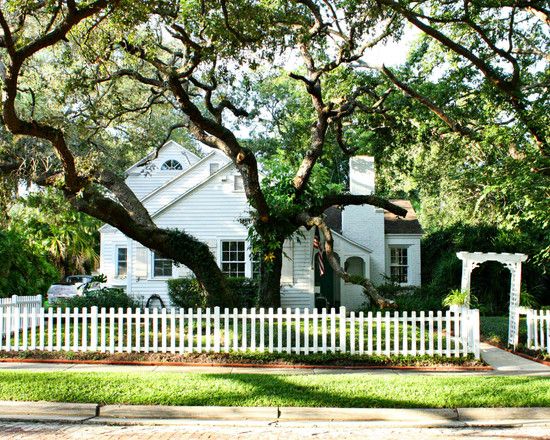
So, one downside of this house is the way it sits on the lot.
We’re on a corner (which I usually love) but this one sits really close to the actual “corner” portion of the lot. That means we get more traffic noise along one side than we’d prefer.
But, here’s the silver lining …
Because the house sits close to that side of the lot, we have a very large side yard.
Meanwhile, the backyard is smaller and tucked between the detached garage and the back of the house — not quite big enough to carve out a truly special outdoor space.
So, instead of fighting the lot, we’ve been dreaming about transforming the side yard into our main patio and garden area. And, honestly? I think it could end up being the best feature of the whole property.
The Big Vision
If we’re going to do this, we want to do it intentionally.
Not just add furniture. Not just throw up a fence.
We want to:
- Create privacy from the street
- Minimize traffic noise
- Carve out a true “outdoor room”
- Layer in garden structure
- Make it feel collected, European, and timeless
This is going to require real planning. So, let me break it down.
French Doors + Creating Real Access
Right now, there’s no great way to access the yard — from any side of the house. Also, I didn’t mention this earlier, but our yard slopes slightly. The current way to get to the backyard is by a bank of stairs — which isn’t exactly giving effortless indoor/outdoor living.
If you know me, you know I love that seamless flow when the weather warms up. Doors open, breeze coming through, kids or dogs running in and out, dinner outside without it feeling like a production.
So, we’re planning to add French doors off the office, and build a patio directly off that side of the house. That alone will completely change how we use this home.
It’s funny how one doorway can shift everything.
The Fence (Because Lucy Is an Escape Artist)
Now let’s talk about the most practical (and slightly chaotic) reason for all of this:
Lucy. Our golden. She is, without question, a total escape bandit. If there is even a whisper of an opening, she will find it. So creating a fully enclosed space isn’t optional — it’s necessary!
We need a secure area where we can let Lucy roam freely and not worry about her taking herself on an unsupervised neighborhood tour. At the same time, we live in the historic district of Columbia — which means everything has to be approved by the board. So, this isn’t just “pick a fence and install it.”
It’s research. Design. Submit. Wait. Cross fingers.
Fencing + Privacy: What We’re Considering
When you’re creating privacy, there are actually different types of privacy.
You can use:
- Hardscape (fencing)
- Softscape (plant material)
- Or a combination of both
In our case, we really need both.
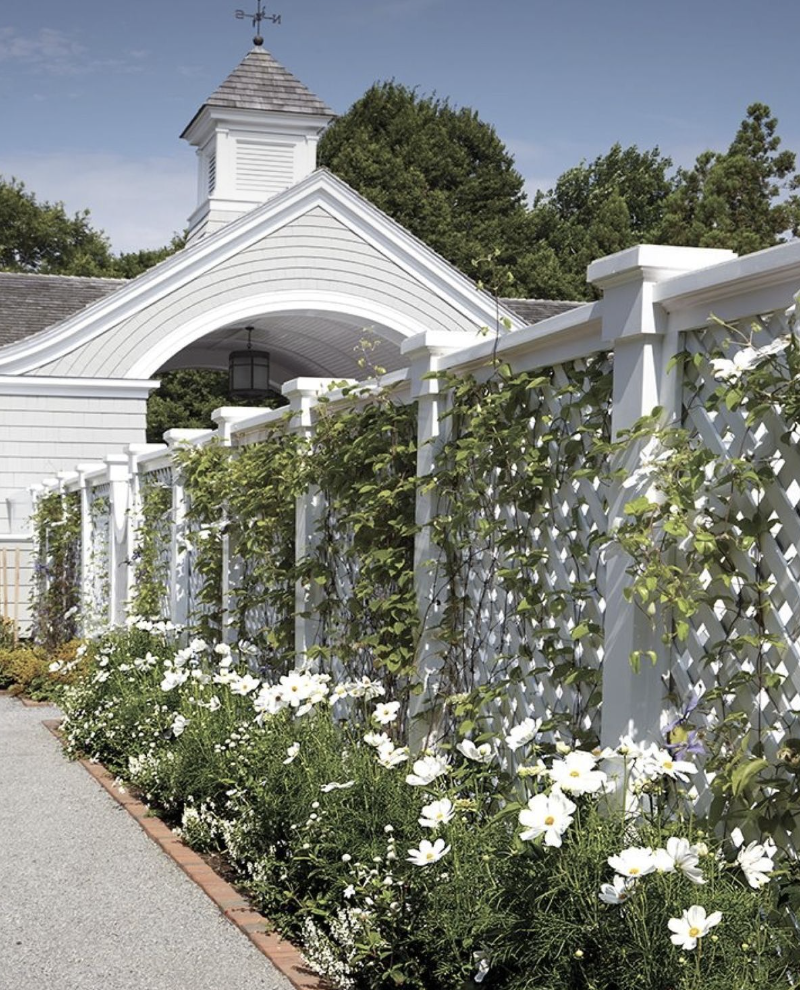
We need a fence that makes sense architecturally for our home and will pass historic approval. But, we’ll still want a taller hedge layer to create that true separation from neighbors and street noise.
We absolutely love the look of a privacy hedge. There’s something so timeless and romantic about a thick green wall of boxwood or arborvitae. But, hedges take time. And while I’m patient with design, I also know I want privacy sooner rather than five years from now.
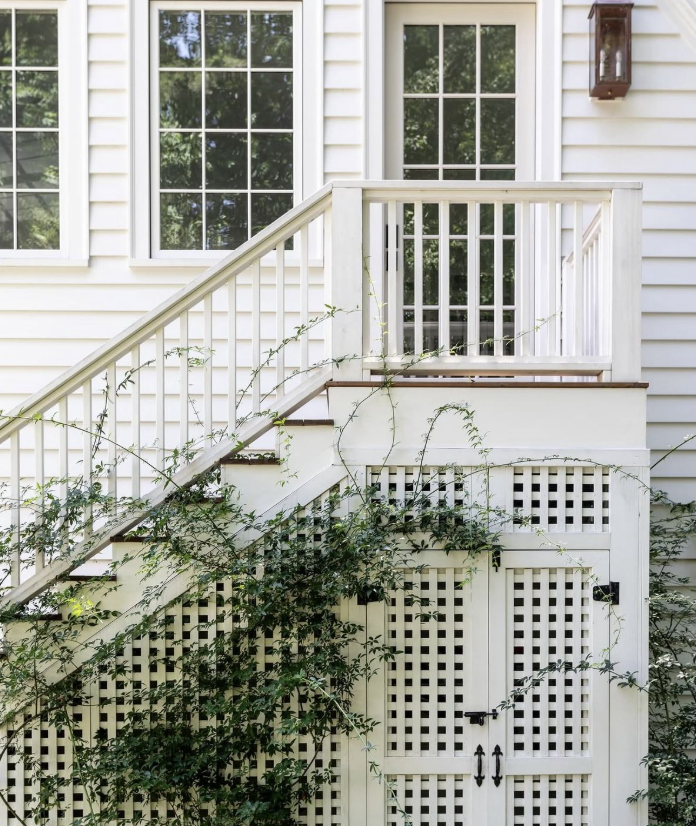
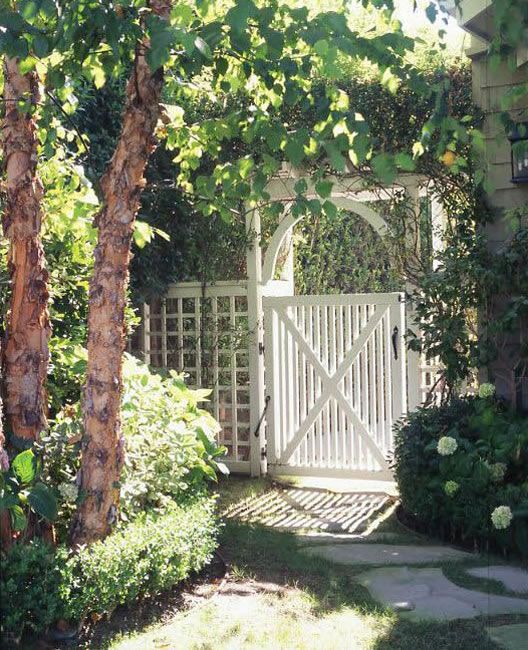
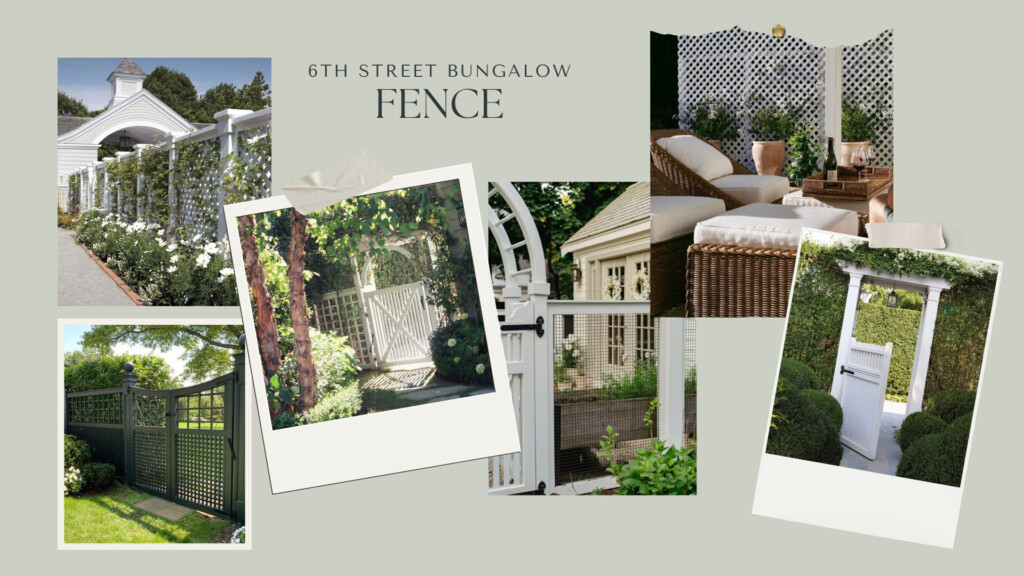
This is why I keep coming back to the idea of a fence with lattice detailing. A solid lower portion for structure and security, and a lattice top for height and charm. Space to plant climbing vines along the fence line. It would give us the immediate privacy we need — while still allowing the garden to soften everything over time.
Now I just need Derrick to run it by the historical society and make sure it’s approved. No pressure. ?
Carving Out the Patio
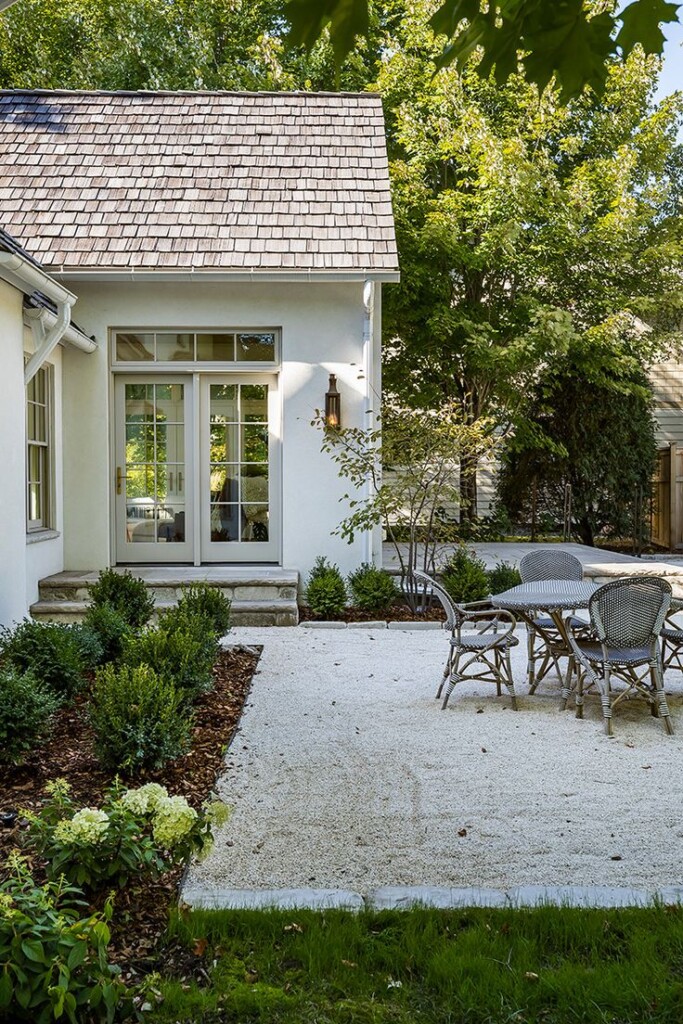
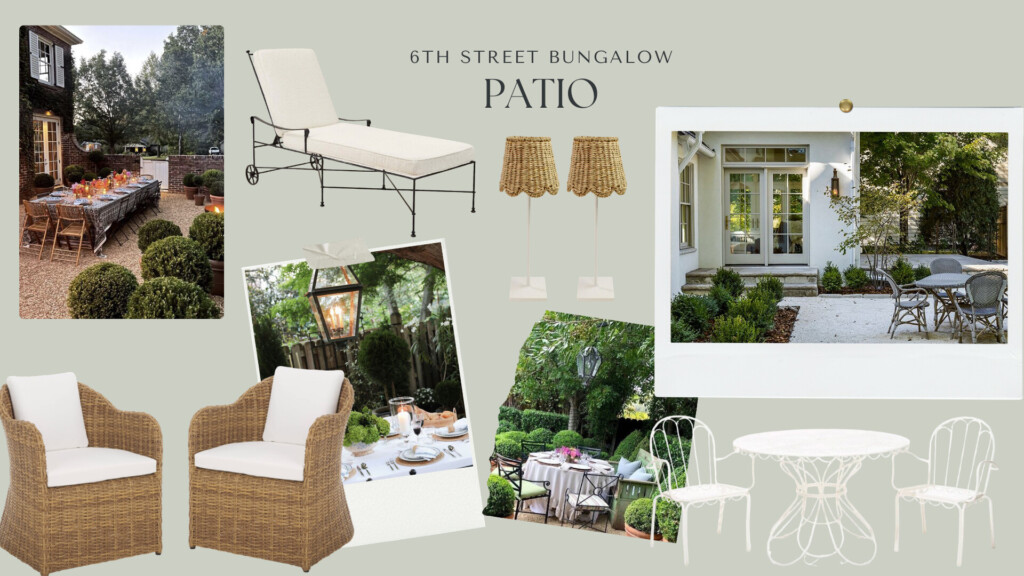
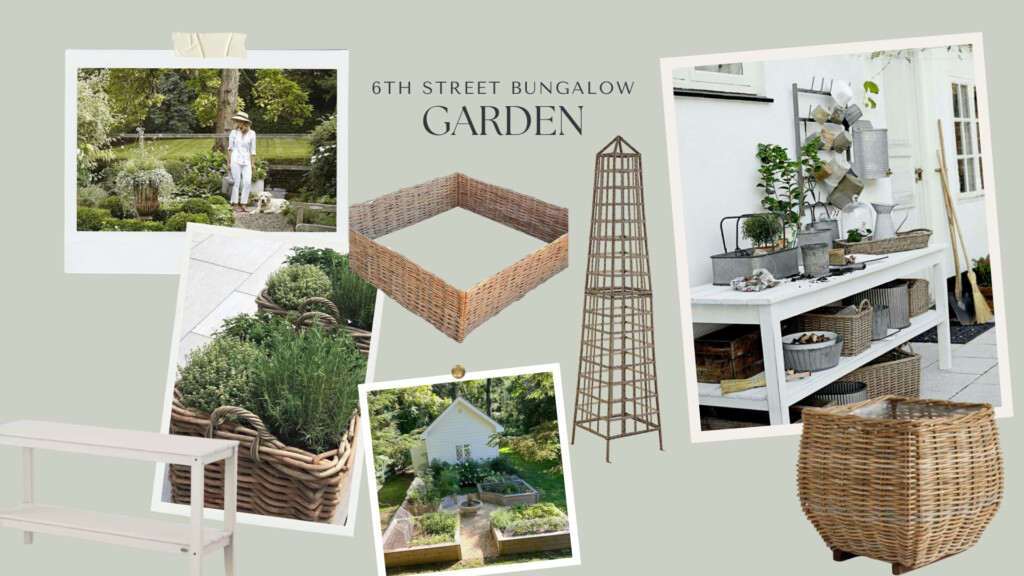
Once the fencing is decided, we can move to the patio itself. I’ve always loved pea gravel patios — they’re quaint, aren’t they?
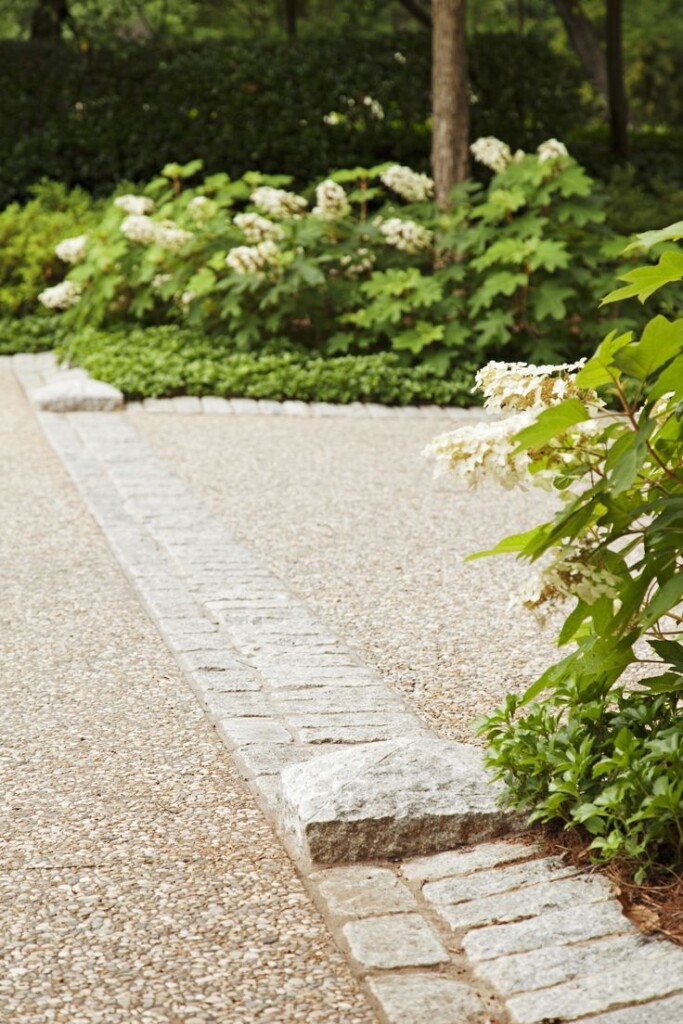
At the Tumalo house, we used decomposed granite, and I really loved the look and how low maintenance it was. But Tennessee gets heavy spring rain, and pea gravel may actually be better for drainage here. So, we’re still deciding. I know I want that soft, European courtyard feeling. The kind of patio that doesn’t feel brand new and shiny — but settled and layered.
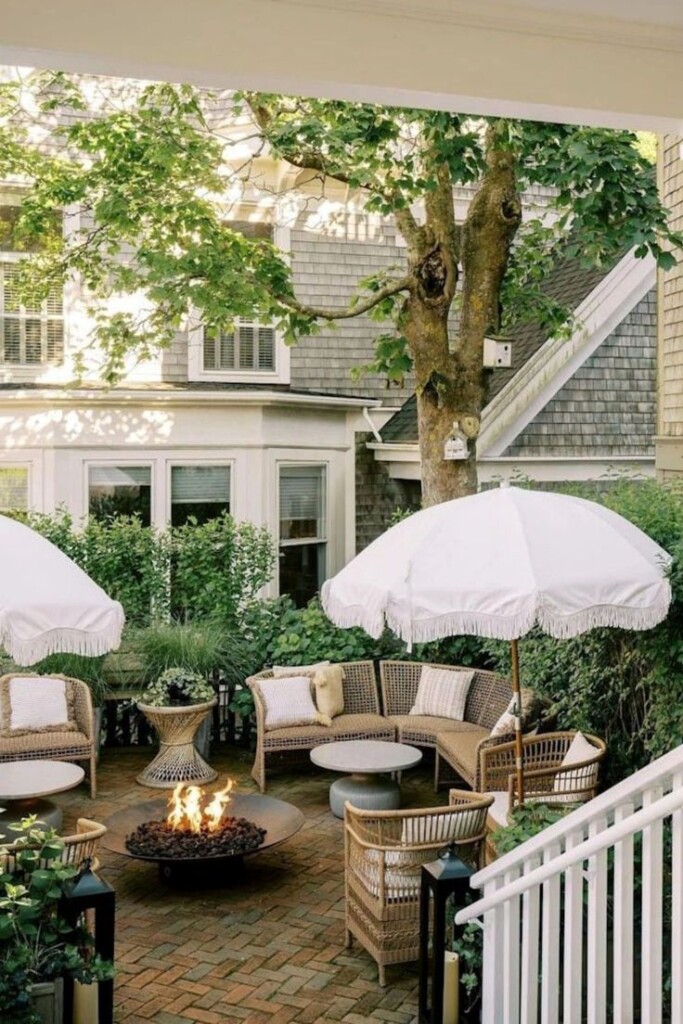
Gravel underfoot. Bistro table. A lounge chair tucked into a corner. Big planters framing the doors.
We just wrote a blog on simple upgrades with some furniture recommendations, so check that out here!
The Garden (Because I’m Not Done With That Dream)
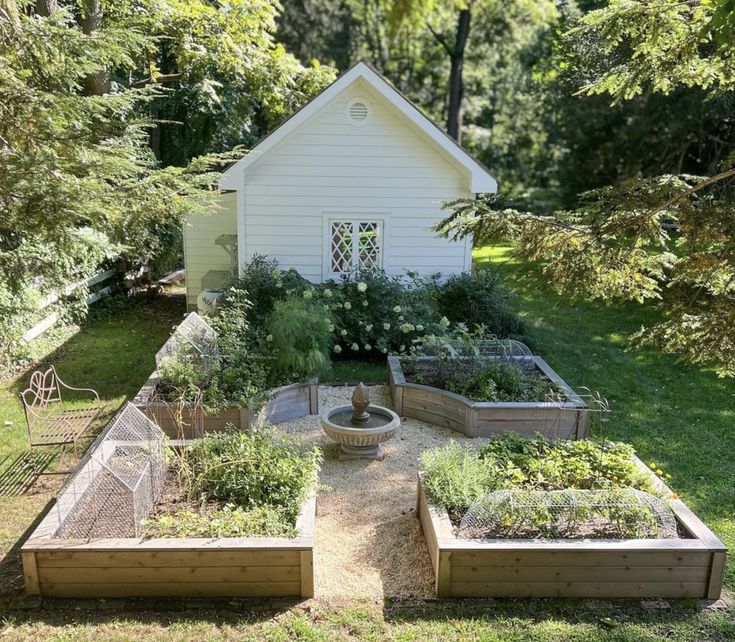
One thing I still think about from the Tumalo house is the raised garden beds. We installed them, then listed the house shortly after. So I never really got to reap the benefits.
This time, I want to do it again — but maybe smaller and more integrated into the design.
Just enough space for:
- Lettuce
- Tomatoes
- Herbs
- Strawberries
Nothing overwhelming. Just enough to step outside and pick something for dinner. There’s something grounding about that.
Why This Feels So Exciting
What I love most about this plan is that we’re not trying to force the house into something it isn’t. We’re working with the lot. Reframing the “flaw.” Leaning into the side yard instead of wishing for a bigger backyard.
Sometimes the most beautiful spaces are the ones you have to think about the hardest.
So, for now, we start with the fencing. Because once that’s approved and installed, the real fun begins! Stay tuned as we continue to make plans to turn this side yard into our own little secret garden for hot summer nights, long dinners outside, and (hopefully) a very contained Lucy.