If you’ve been defaulting to checkerboard …
I get it. I’ve used it too, and truly love it for its classic feel. It’s one of those patterns that just works. You don’t have to overthink it, and it instantly gives a space some structure and old world WOW factor.
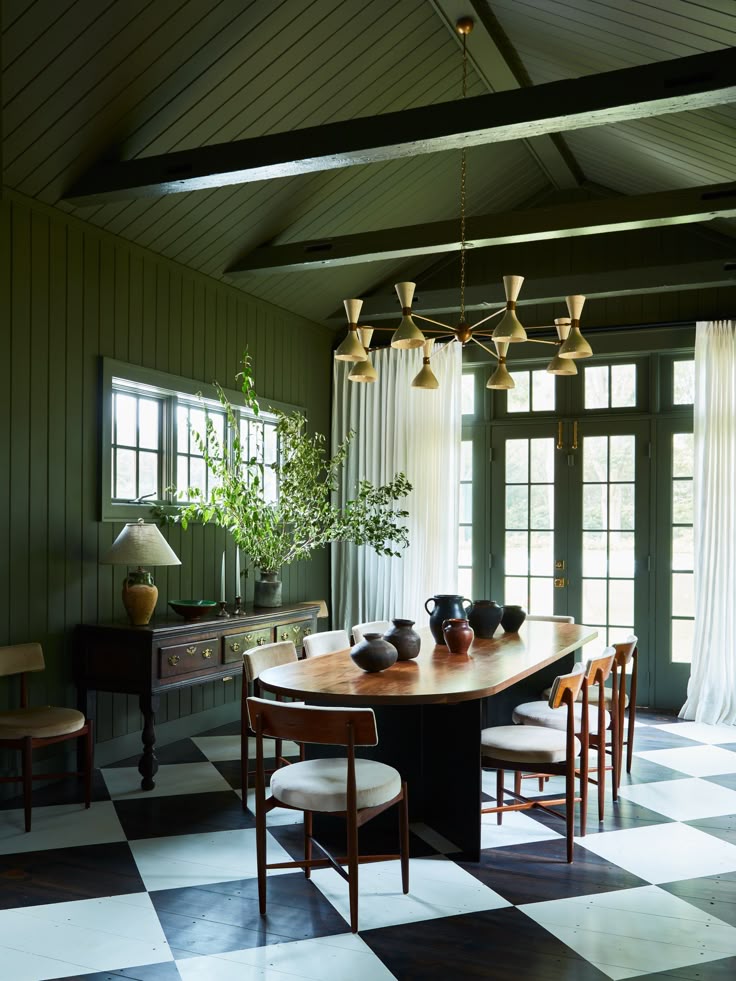
But lately, I’ve been walking into homes and seeing the exact same version of it over and over again. Same scale, same contrast, same layout. And, at a certain point, it stops feeling special and starts feeling like the default. That’s usually when I start pushing clients in a different direction.
What to consider instead
When I’m thinking about tile, I’m not really starting with pattern the way most people do. I’m considering how the floor is going to feel once everything else is layered in: cabinetry, lighting, plumbing, even how the grout lines will read from across the room.
Checkerboard works because it’s a grid. It’s contrast. It’s repetition. Once you understand that, you’re not limited to just black and white squares anymore.
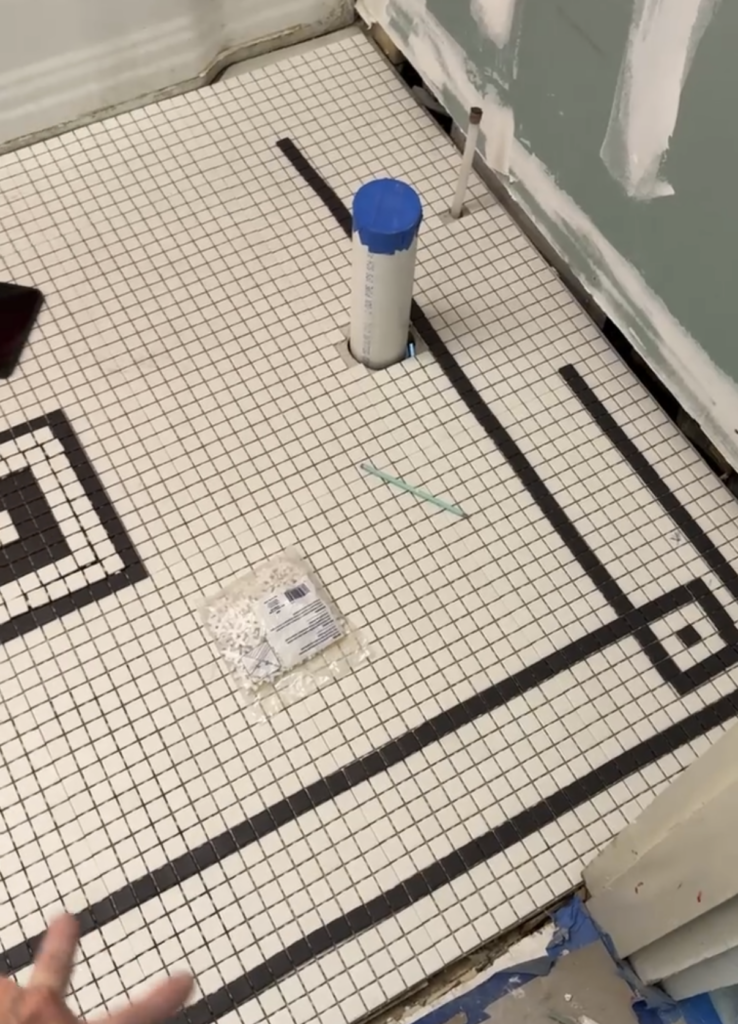
[We currently have our floors covered while other demo goes on ,but I’m so excited to share how it turned out!!]
Why we didn’t do checkerboard on Sixth Street
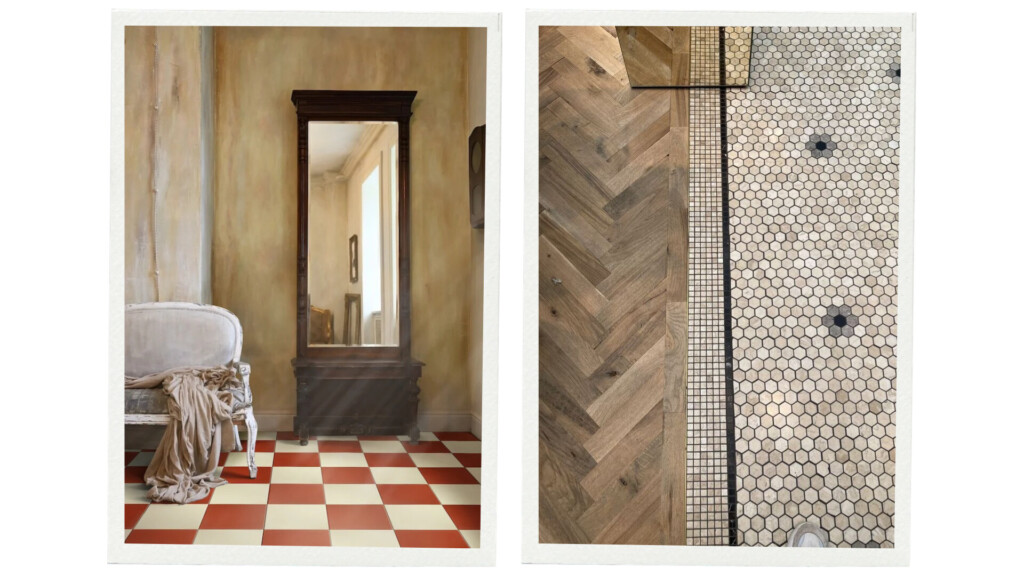
On our Sixth Street bungalow project, we could have done a checkerboard floor in the bathroom and it would have looked good. But, I knew I wanted painted checkerboard floors in the hallway, so it felt a little too safe. I wanted something that felt a little more considered.
Instead, we started playing with mosaic sheets and building out a border. It’s something we’ve wanted to try for a while, and this felt like the right project for us to do it.
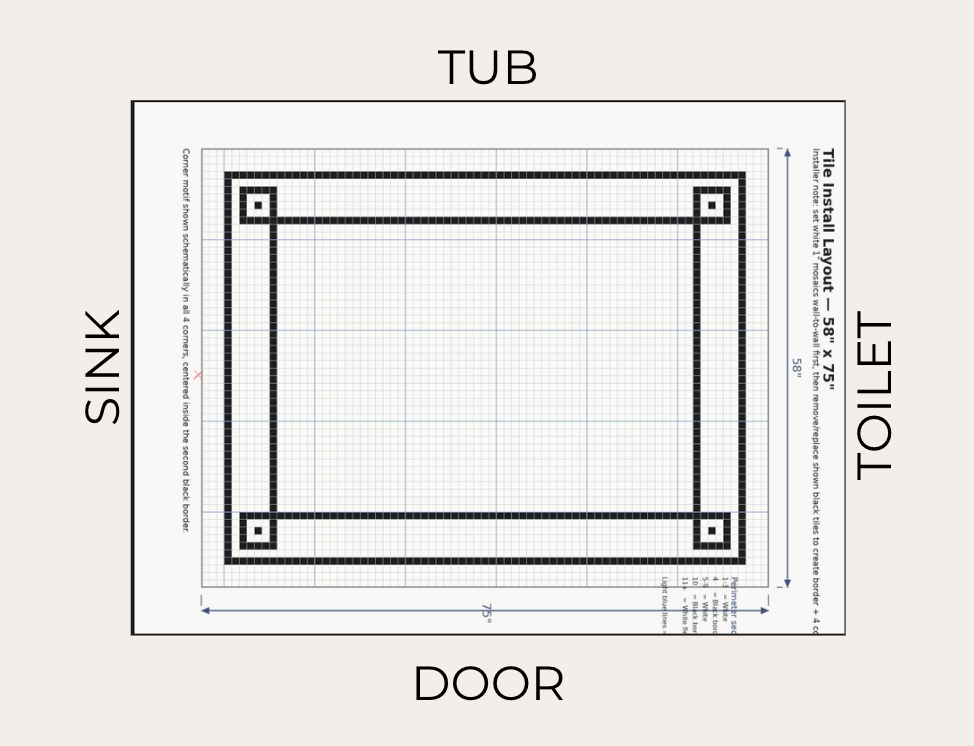
We’re essentially using standard 1′ x 1′ sheets in the colors Black/Ebony & Arctic white (nothing overly custom or complicated), but arranging them in a way that feels more tailored. It gives you that same sense of structure that checkerboard does, but with more detail and a little more personality.
That’s really the shift I want people to start thinking about.
Instead of asking, “Should I do checkerboard?”
Start asking, “What do I actually like about it?”
Because once you can answer that, you have many more options—and they’re usually a lot more interesting.
A few directions I use instead
These are the ones I find myself coming back to when I want something that feels classic, but not overdone.
Basketweave
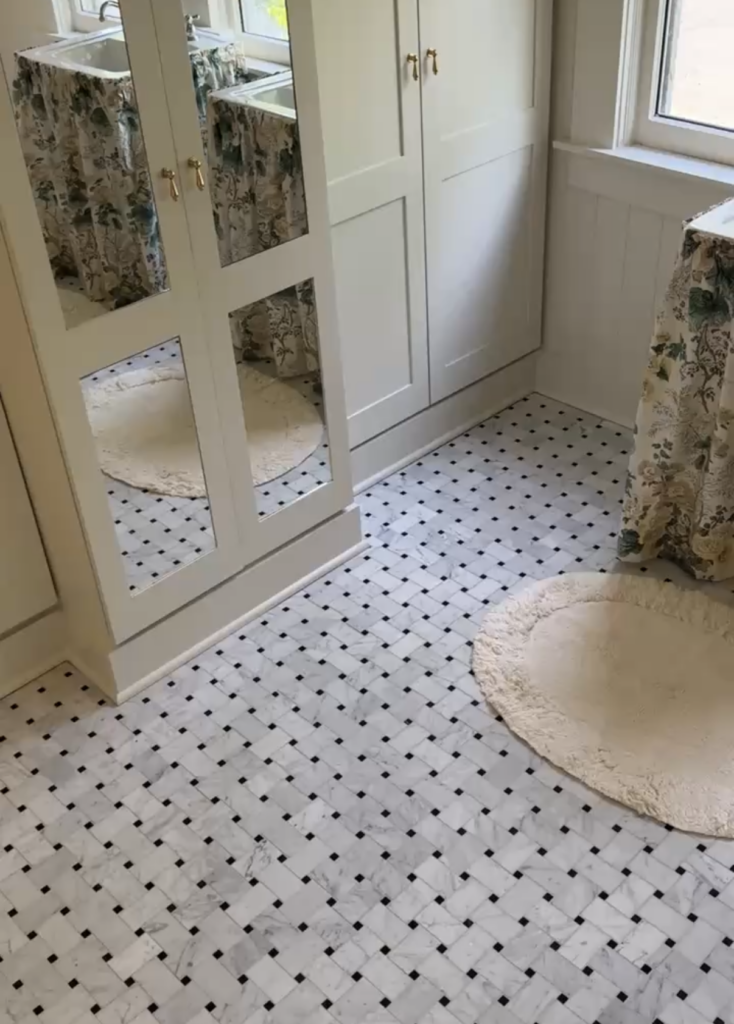
This is probably the easiest shift if you like checkerboard. We actually went for this tile pattern from Bedrosians in our upstairs guest bath and I’m loving it so much! It still reads structured, but it has more movement. I tend to use it when I want something timeless that doesn’t feel flat. Especially good in marble, or softer tones where the pattern shows up without screaming.
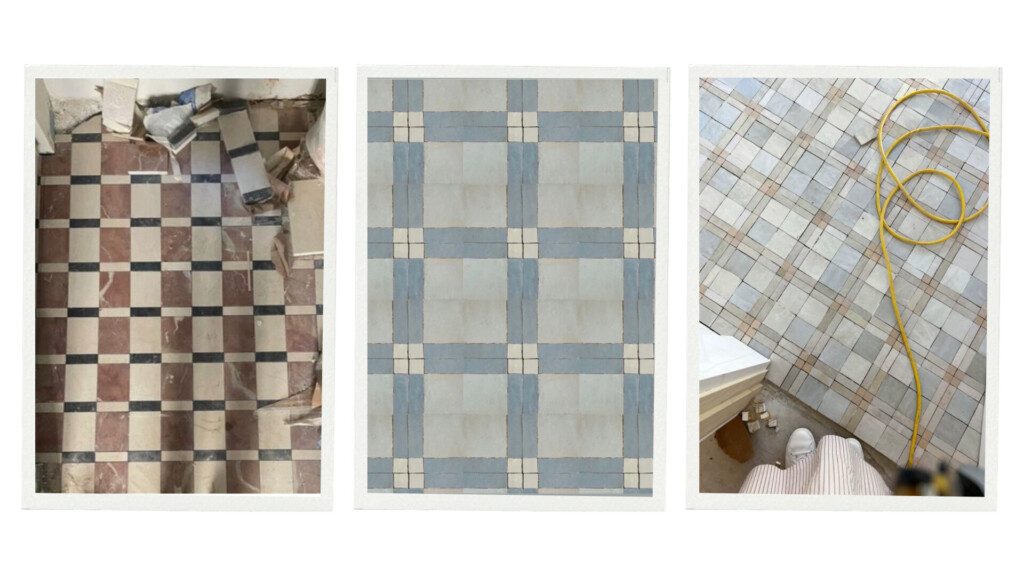
Mosaic grids with variation
Instead of large squares, go smaller and introduce subtle contrast—maybe every few tiles shift tone or material. From far away it reads calm, but up close there’s a lot more happening. This is where things start to feel a little more custom.
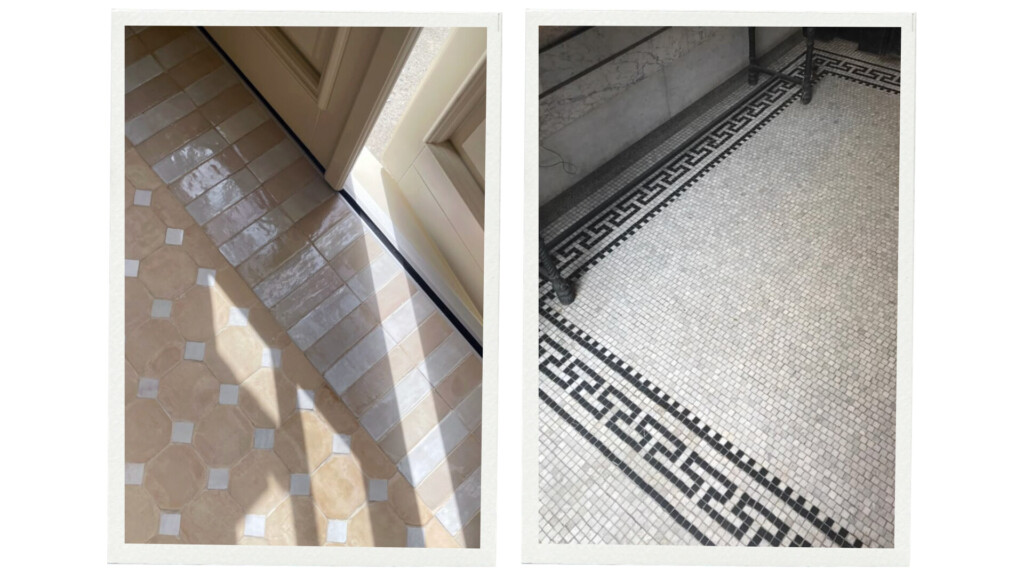
Borders
This is the one people overlook. A simple field tile with a border around the perimeter (or defining a zone) can completely change the feel of a space. It breaks things up in a really intentional way and makes the whole room feel more finished.
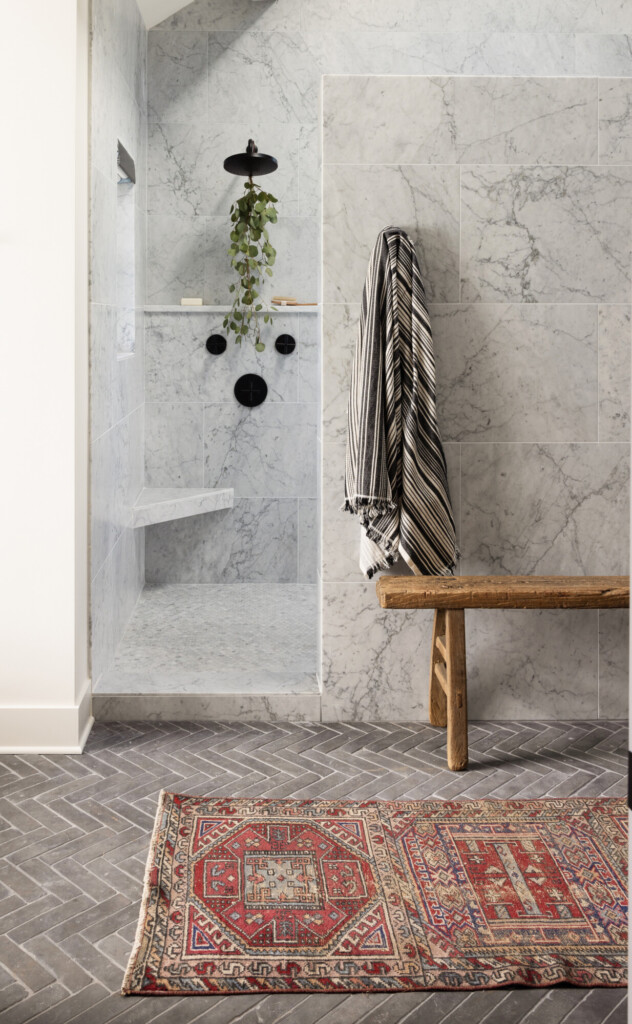
Herringbone
Herringbone is one of those patterns that instantly adds movement without feeling loud. It takes a simple tile and gives it direction, which can subtly guide your eye through a space or help elongate a room.
The key is restraint. When done in a tonal palette or with a material that already has some variation, it reads elevated instead of busy. It’s a great option when you want something more interesting than straight stack, but still timeless enough to not feel tied to a trend.
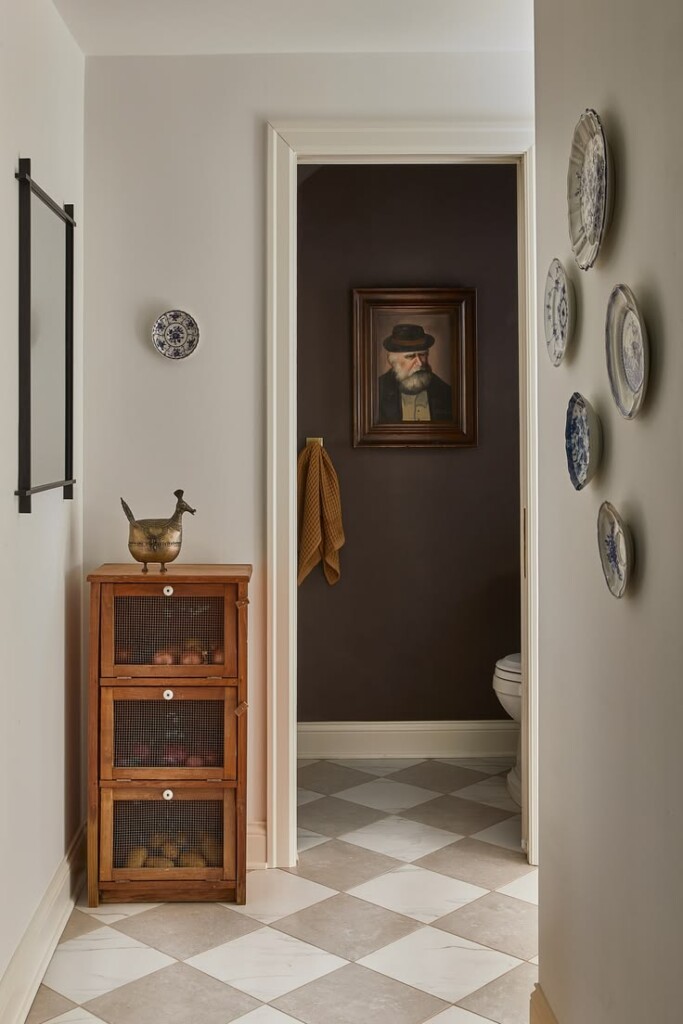
Tonal checker
If you still love checkerboard, just soften it. Same layout, less contrast. It gives you the structure without the harshness, and it tends to age better.
What actually matters when you’re choosing
This is where most people get tripped up—they focus on the pattern, but skip over the decisions that actually make it work.
Scale
Large tile vs small tile changes everything. Small scale = more detail and movement. Large scale = quieter, more grounded. Neither is better, but it has to match the space.
Contrast
This is the whole reason checkerboard became popular again. High contrast reads bold and graphic. Low contrast feels layered and subtle. Decide that first.
Grout
People treat this like an afterthought, but it’s part of the design. Matching grout softens everything. Contrast grout highlights the pattern. It can completely change the outcome. Check out this post and read the caption for our top grout picks to support your tile investment.
How to make it feel intentional (and not like a trend)
The goal isn’t just to pick a different pattern, it’s to make it feel like it belongs in your home.
A few things I always think through:
- Where the pattern starts and stops
Don’t let it just run edge to edge without thinking about it. Borders, transitions, and alignment matter more than people expect. - What it’s sitting next to
Flooring doesn’t live on its own. It has to work with your cabinetry, your stone, your hardware. If everything is competing, it’s going to feel off. - Material over perfection
I’ll almost always choose something with a little variation. Like a stone with movement, handmade tile, anything that doesn’t feel too perfect. That’s what keeps it from looking flat or overly trendy.
At the end of the day, checkerboard isn’t the problem. It’s just the starting point.
Once you understand why it works, you can push it into something that feels a lot more considered … and a lot more like your own.