Ever found yourself wondering about the perfect mix of finishes for your home? Clients often ask us about the art of blending metal and how to achieve that cohesive yet carefully curated look. Well, here’s the scoop in five simple steps!
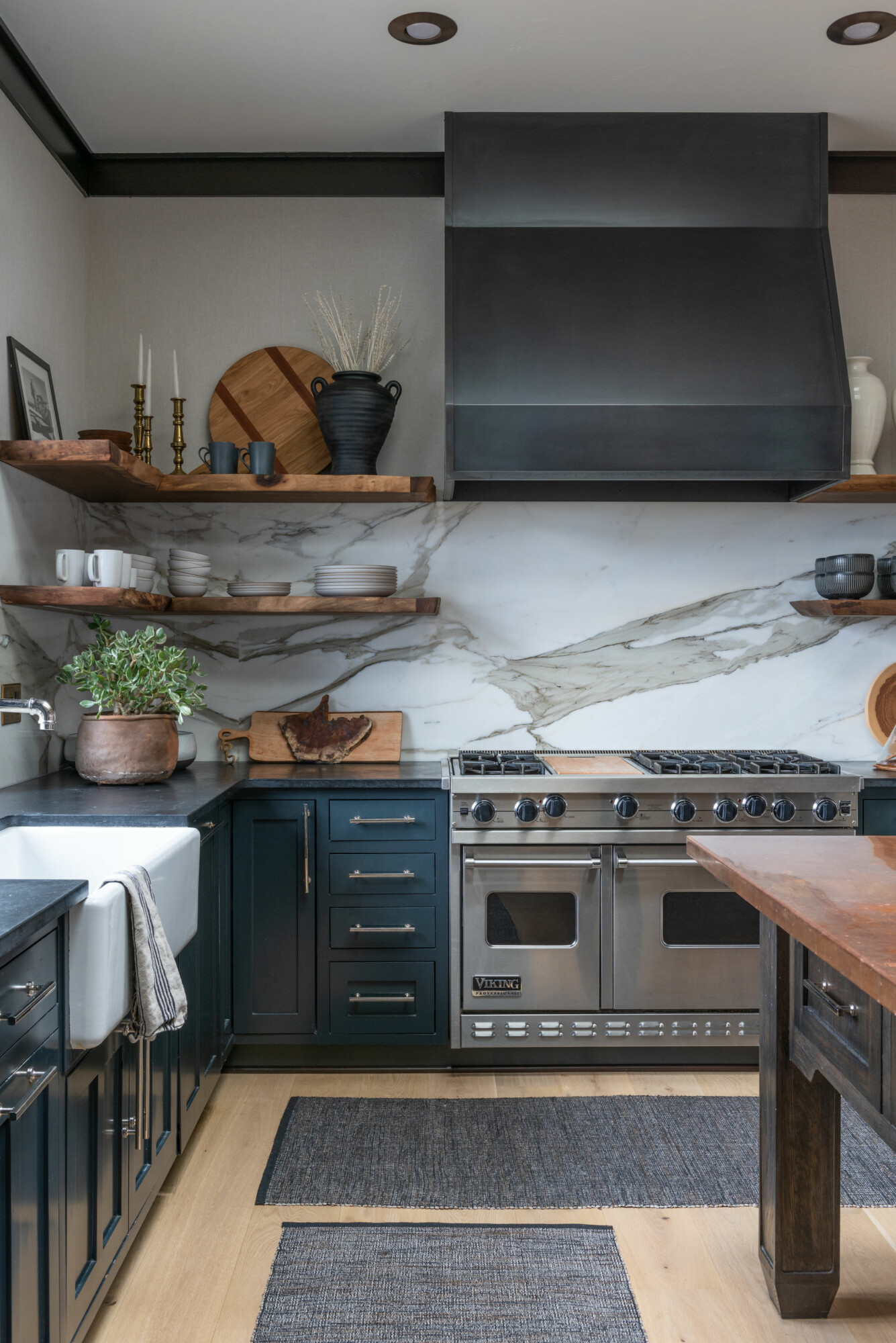
First things first – should you mix metals? Absolutely! A resounding yes. Why settle for an all-in-one finish when you can elevate your space with layers and distinction? Imagine every plumbing fixture, door hardware, and cabinet hardware in a single finish – it falls a bit flat, missing that designer touch. We see it often, and we believe it’s a missed opportunity to infuse character and polish into your space.
Now, onto the how. We’ve narrowed down our approach into five practical steps – the rules of thumb we live by in every project. So, let’s dive into the world of mixing finishes and turn your home into a haven of designer aesthetics!
Step 1: Set the Tone with one of the Dominant Finishes
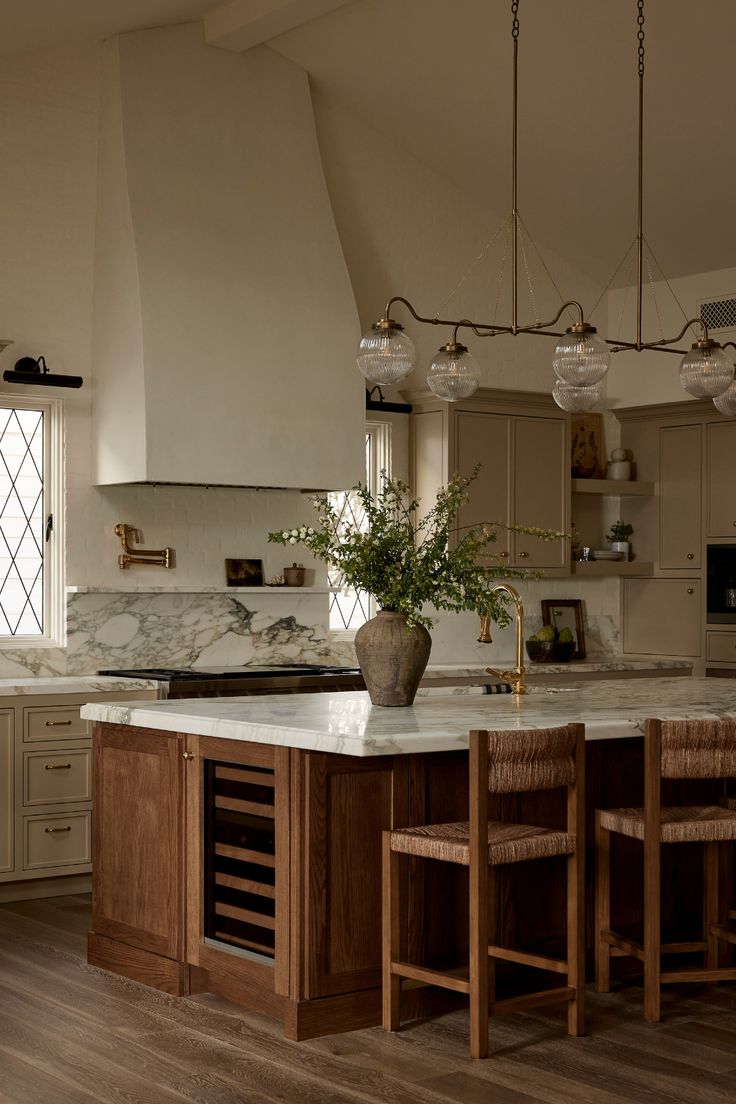
When it comes to mixing metals, establishing a dominant finish is the foundation of your design journey. Consider the undertones of materials – gold, brass, and bronze exude warmth, while nickel or chrome bring in a cooler vibe. If your palette leans towards cooler tones (think black, deep gray, or burgundy), introducing brass can provide a striking contrast, infusing warmth into the space.
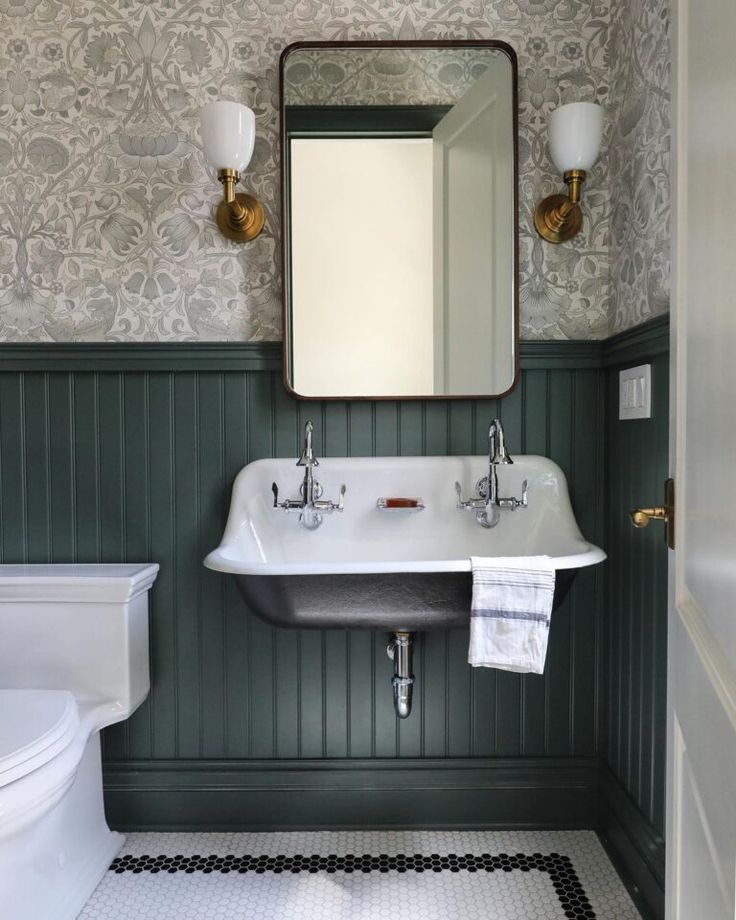
This dominant finish becomes the thread of weaving through your home, especially on door hardware, creating a harmonious flow and visual unity. So, pick that key finish wisely – it’s the anchor that ties your mixed metals together.
Step 2: Harmony in Pairs: The Two Finishes Rule
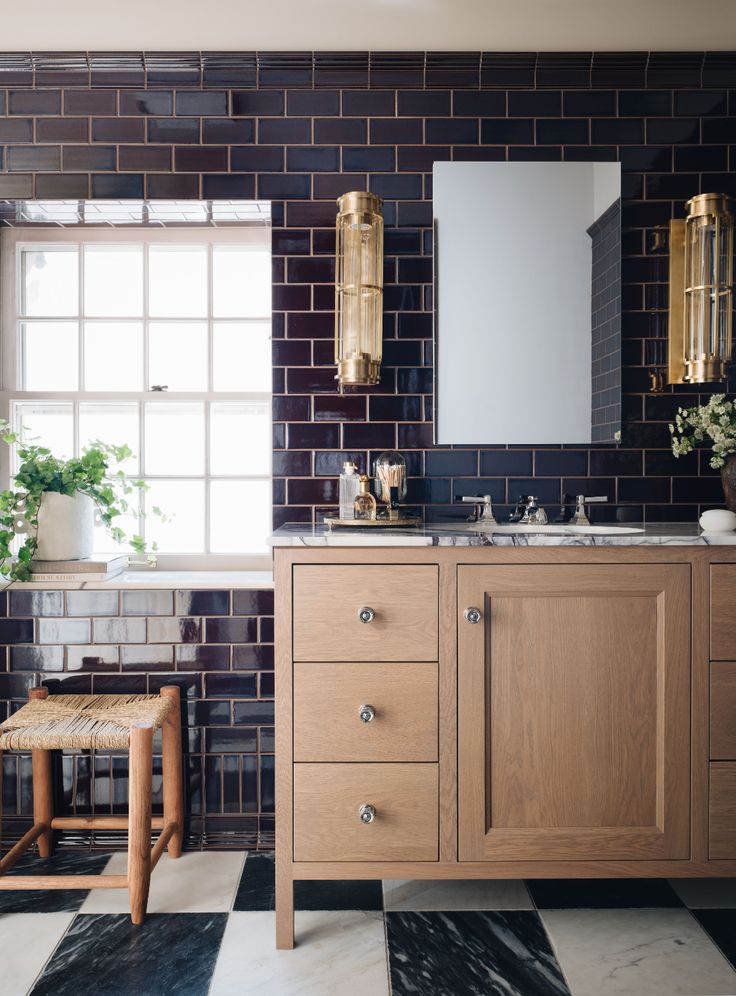
In our playbook, simplicity reigns. Stick to two finishes per space, but here’s a little secret – I don’t treat white or black as a finish. They are neutral in my mind, and can compliment a third finish. If you’re opting for just two finishes, classic black or white can seamlessly compliment your chosen dominant finish.
There’s a timeless allure to black and brass or the crisp elegance of white paired with polished nickel. It’s a match made in heaven.
 Clouz Houz tip: If your dominant finish is brass, consider the warm undertones of polished nickel as a delightful companion – steering clear of the cooler vibes that chrome might bring. Keep it simple, keep it stylish.
Step 3: Same Plane, Same Game
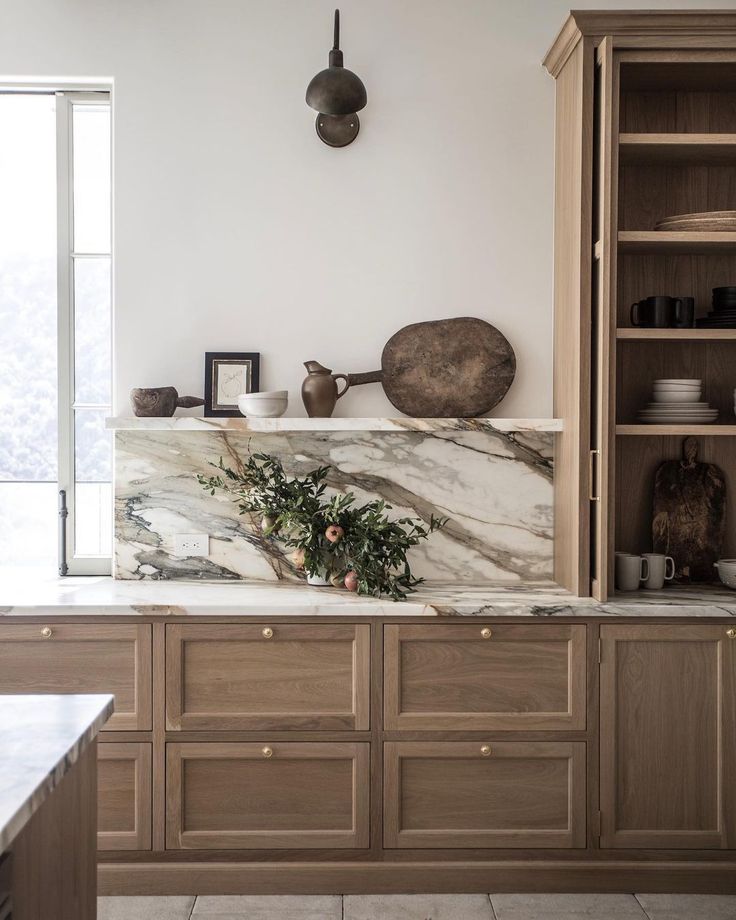
Achieving a cohesive blend of mixed metals in your home involves strategic placement to maintain visual harmony. Imagine a polished nickel light fixture stealing the spotlight while lower down, cabinet door hardware seamlessly complements it. The key is to organize metals within the same line or eye level. For instance, if brass adorns your fixture, extend its presence to sconces along the same line, while opting for silver cabinet hardware to diversify the look. This approach ensures a fluid, effortless flow for the eyes, resulting in a polished and finesse-filled design.
Step 4: Accents that Speak Volumes
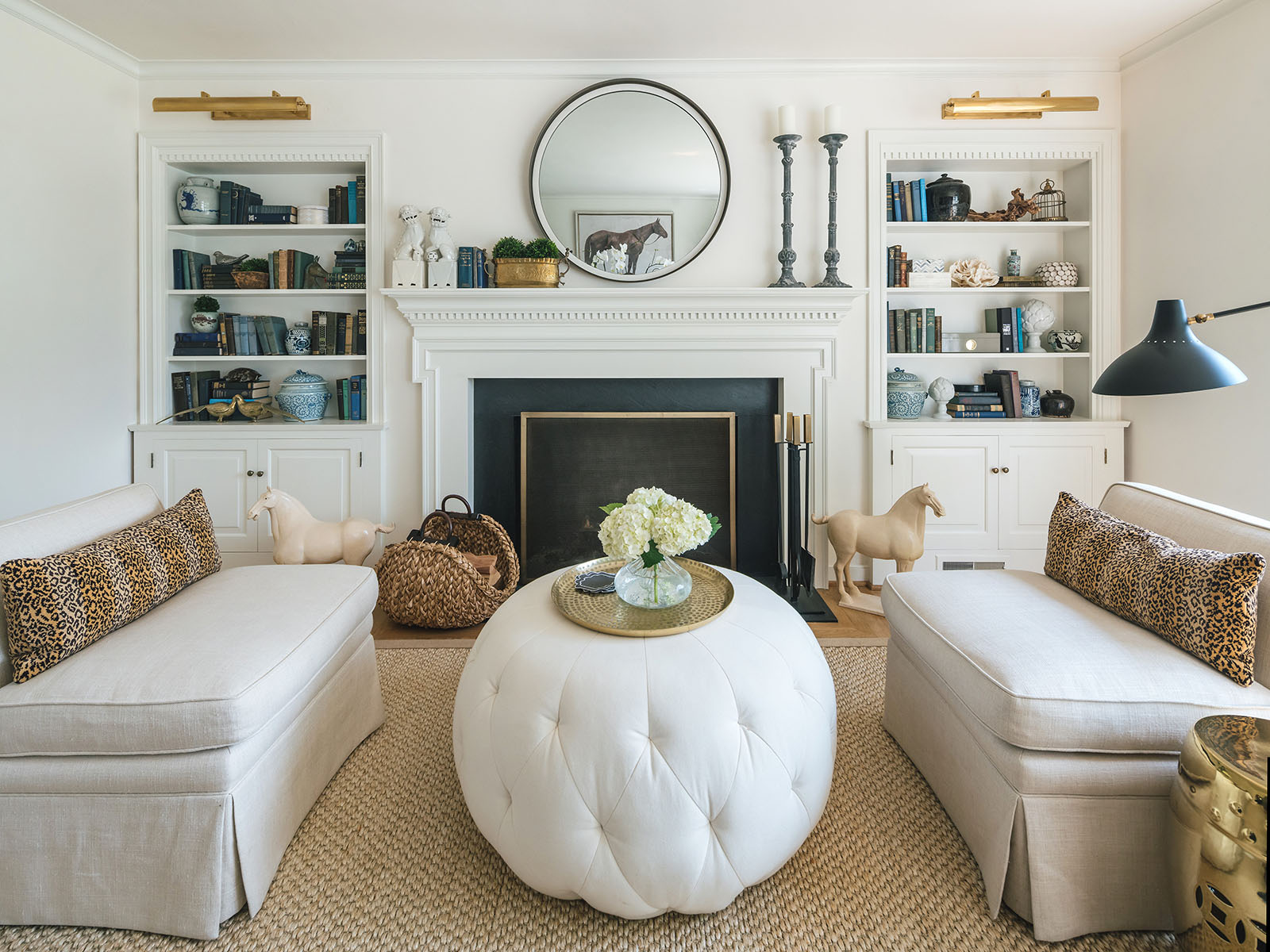
Now, let’s talk accents – the cherry on top of your mixed metal design. If your secondary finish is the ever-stylish black, let it shine in your decor accents. For example, a sleek black vase on your shelves, effortlessly tying in with the black elements of your secondary finish. This thoughtful touch isn’t just about aesthetics; it’s how we balance multiple finishes.
By weaving these common denominators through your décor, you bring a sense of cohesion to the diverse finishes. It’s the art of creating balance while infusing your space with personality.
Step 5: Within the Family Mix — A Monochromatic Vision
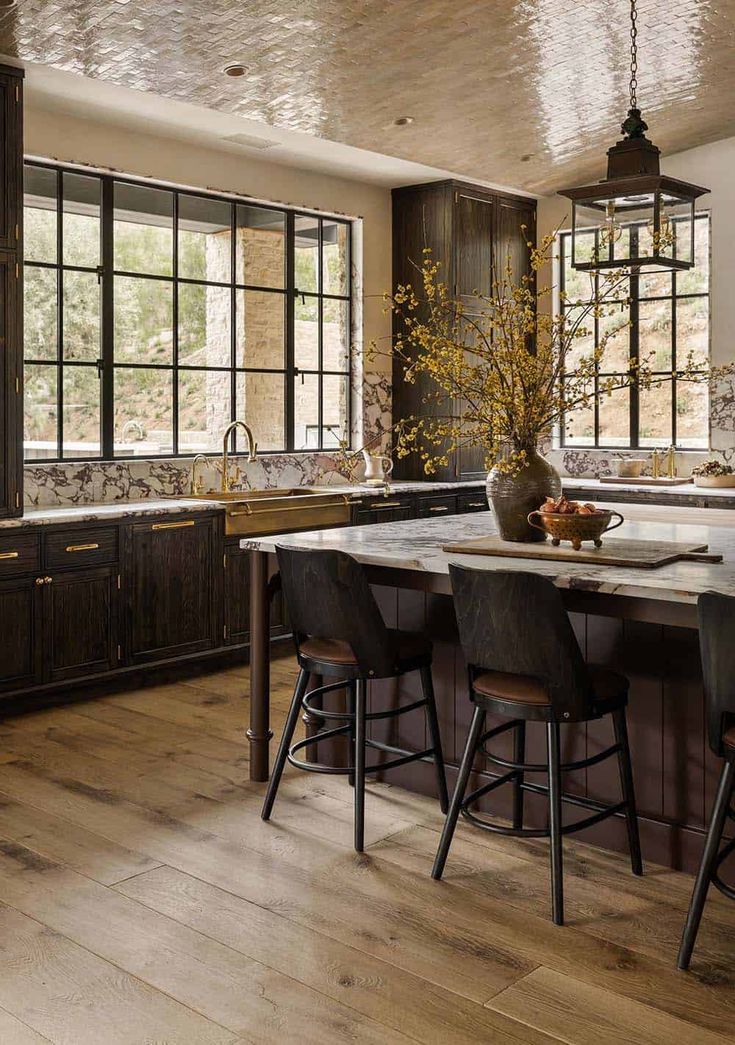
Dare to explore within the same family of finishes? Absolutely! Take brushed brass and pair it with unlacquered brass for a stunning, more monochromatic aesthetic with depth and layers. At Tumalo, we’ve embraced this approach, combining various brass finishes – from aged brass to brushed and unlacquered brass. And, for those wondering if brass is just a passing trend, I say, “not a chance!”
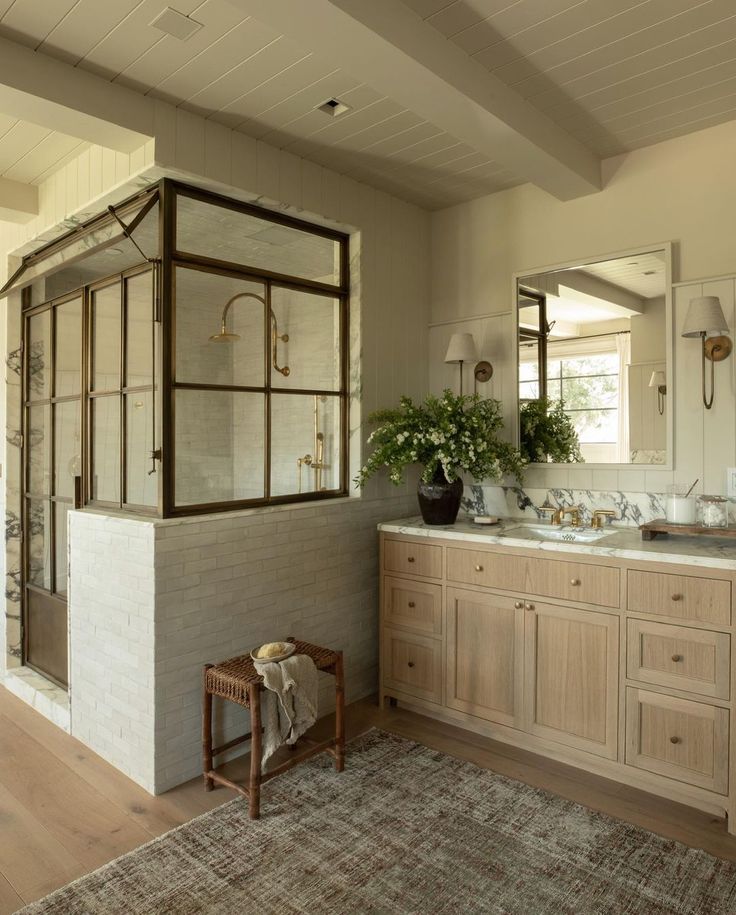
Embrace the versatility within the brass family, creating a cohesive yet dynamic look. It’s about crafting a timeless narrative that resonates with your personal style.
***
In the grand scheme of design, mixing finishes is my secret for creating spaces that feel uniquely curated and effortlessly chic. Let these five steps be your trusty guide. Set the tone with a dominant finish, harmonize with finishes, keep it in the same plane for visual bliss, let accents speak the language of your finishes, and don’t shy away from exploring within the same finish family. Happy designing!