CLOUZ HOUZ DESIGN GUIDES - What’s your style?
TAKE THE QUIZ
Design

What to Look for When Selecting Kitchen Appliances

Today, I want to chat about something that can truly make or break your kitchen design: choosing the right appliances. It’s one of the first things you need to tackle when planning your space, and trust me, it’s more important than you might think. There are tons of amazing options out there, and picking the right ones can make your life so much easier! So, let’s dive into everything you need to know about kitchen appliances.
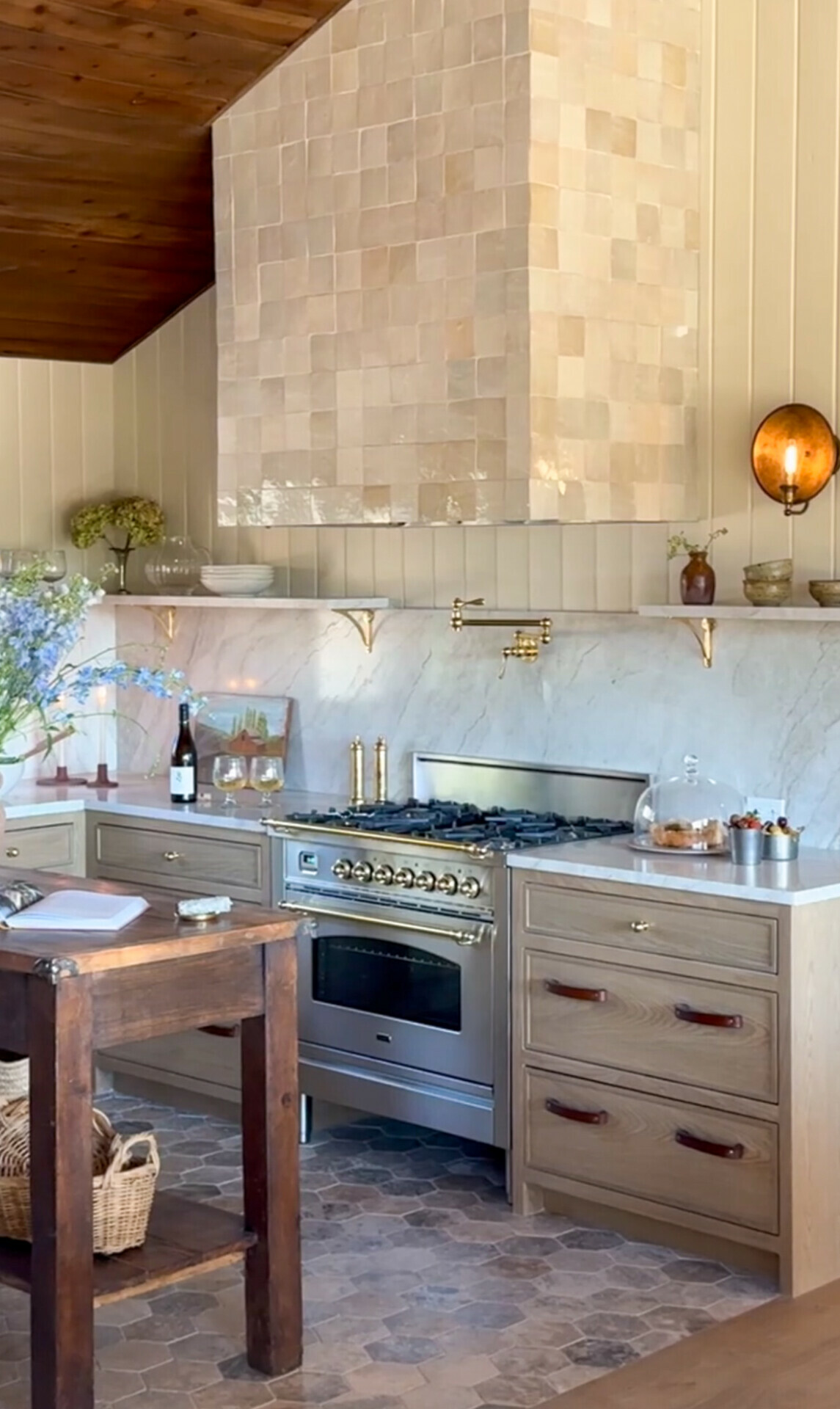
Where to Put Your Appliances

Once you know which appliances you need, the next step is figuring out where to put them. The placement of your appliances can really impact how you move around your kitchen, so think about how you cook and what makes the most sense for you.
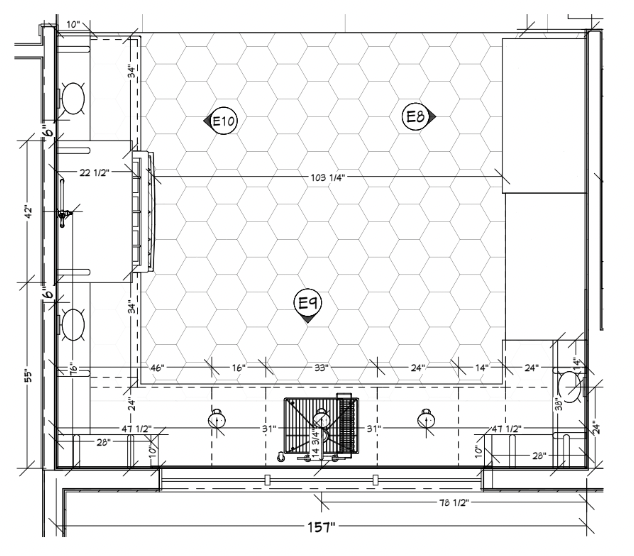
Clouz Houz Tip: Start with the working triangle concept. This means positioning your sink, stove, and fridge in a triangular setup to make cooking more efficient. But remember, it’s all about what works best for your routine and space.

Stylish and Functional Appliances

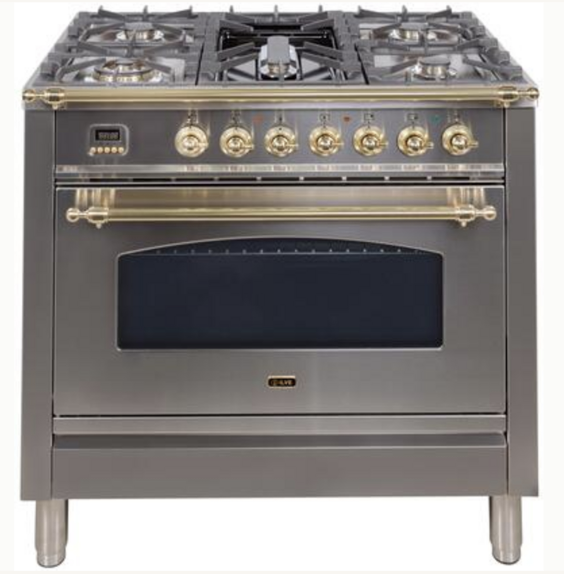
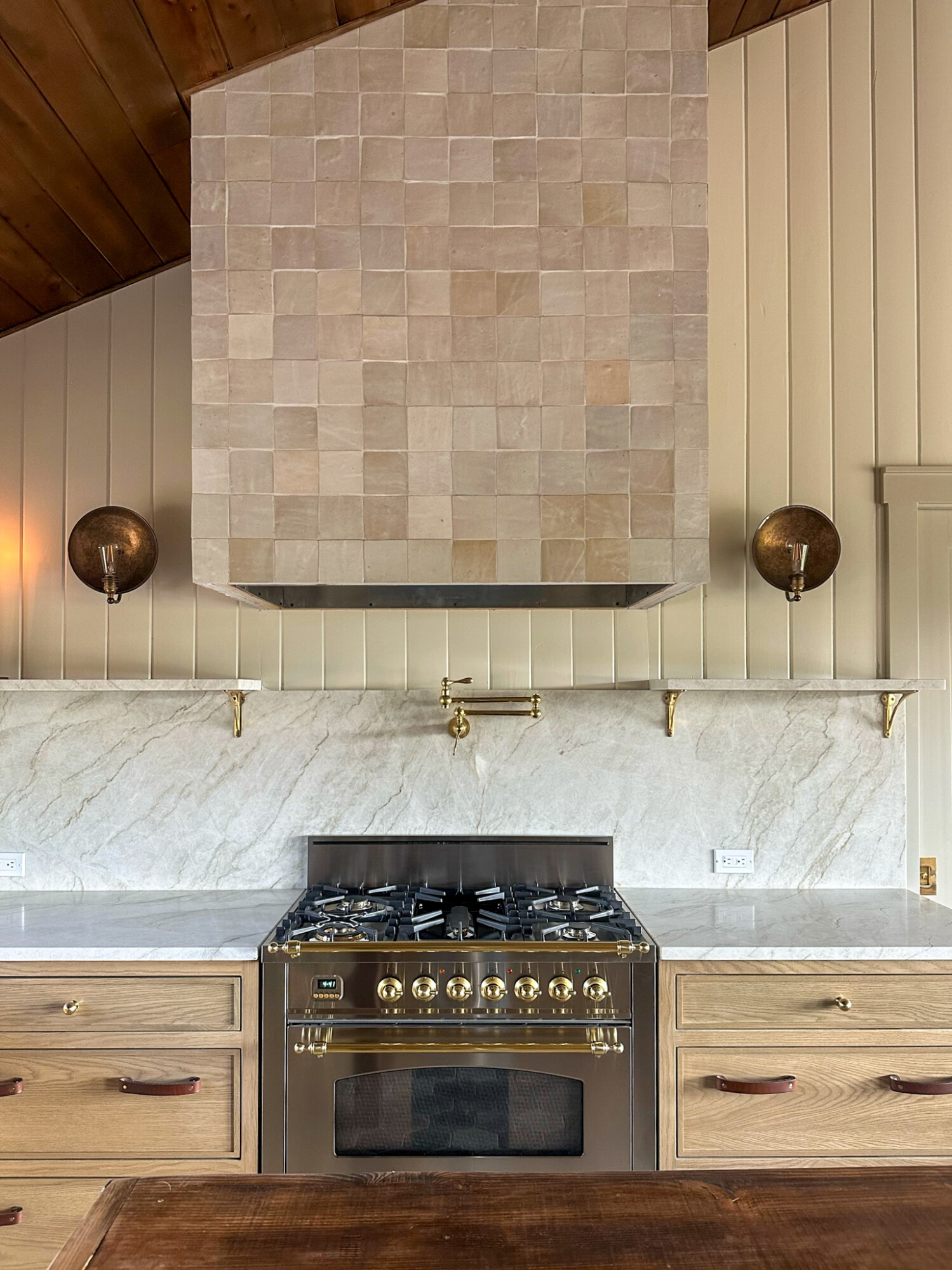
Who says practical can’t be stylish? When picking appliances, look for brands that fit your budget and quality standards, while also adding a touch of style to your kitchen. Some of my current go-to brands are GE Cafe and Blue Star because they balance functionality with great design. We chose this Ilve Stainless Steel range with brass accents for our kitchen. It’s the first time I have tried this brand, and so far I am a big fan!
Integrated vs. Freestanding Appliances

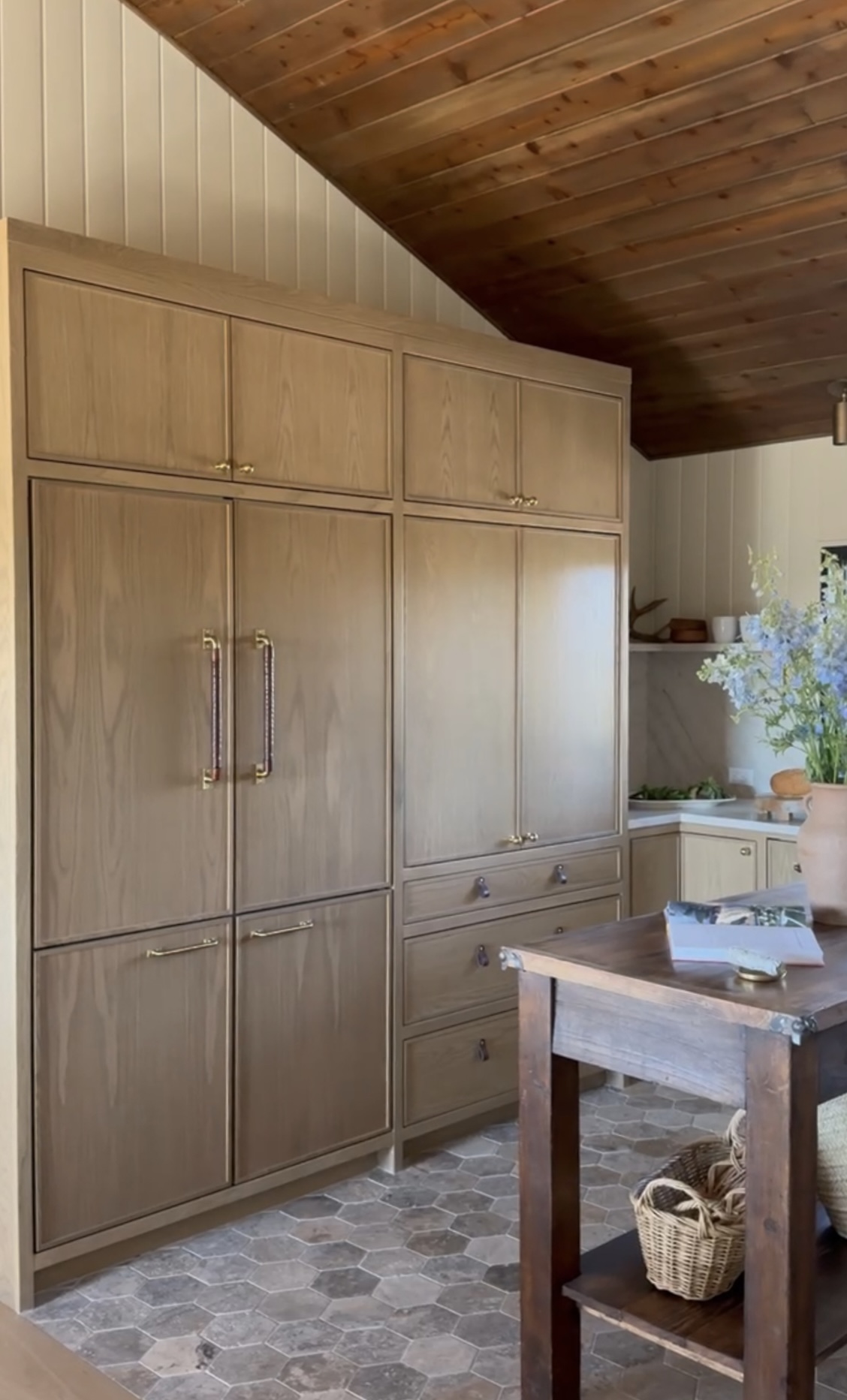
Integrated appliances are perfect for achieving a sleek, seamless look in your kitchen. These appliances are designed to blend in with your cabinetry, making them almost invisible. For our Tumalo project, we chose the Forte brand for our panel-ready refrigerator. Given that panel-ready appliances can sometimes cost upwards of $10,000, we opted for two 24″ refrigerators with freezers below to stay within budget. We used this approach for the fridge/freezer and dishwasher in our Tumalo project, because I knew if I kept them panel ready it would read “larger” and more inclusive than breaking up the cabinets with stainless appliances. Make sense?

The Interior Collective was a great source of inspiration for this project, read more to explain why we went this route!
One trend I’m loving right now is the hidden vent hood. For a long time, big industrial hoods were all the rage, but now more people are opting for hoods that blend into the cabinetry. It keeps the kitchen looking clean and uncluttered. Lately, I’ve been obsessing about plaster hoods for the hood vent insert. Hide-A-Vent is my favorite for this type of installation.
Final Thoughts

Choosing the right appliances is a team effort. Lean on your architect, interior designer, appliance salesperson, and builder for advice on layout, style, and functionality. Your job is to know what’s out there and think about how your family cooks and does chores. From there, your design team can help you nail down the details.

Picking kitchen appliances might seem daunting, but with a little guidance and some thoughtful planning, you can create a space that’s both functional and beautiful. Good luck, and remember, keeping things simple and intentional is always beautiful. ❤️

Want to read more about our kitchen design? Check out our complete Kitchen Reveal!

Join the Conversation

One thought on “What to Look for When Selecting Kitchen Appliances

get inspired
#clouzhouz
follow along
@clouz_houz
Before we sketch a floor plan or source furniture, we sit with the house and let it speak a little.
For the 6th Street Bungalow, this step was especially important. The house has its own personality, and the flatlay helps us study it from every angle.
It lets us play, make changes early, test combinations, and make sure each material has a reason for being there. Nothing is theoretical at this stage.
We want to feel the stone, the fabrics, the wood tones, the finishes, and see how they interact from room to room.
The flatlay becomes our anchor — a visual blueprint that keeps the design cohesive while giving us room to refine as we go. It’s a crucial part of our process and one of the most valuable tools for creating a home that feels intentional, personal, and true to the architecture.
If you want to get started on your home, our spots for Q1 of the new year are filling up. Visit our website (link in bio) to inquire.
My ins and outs this year!
Do you agree? Let me know if I missed any in the comments!
Hang in there for me on this one (I feel very passionately about this topic 😂). One of the things we care most about when designing homes is where the pieces come from. Vintage and antique sourcing isn’t just about finding something “different”... It’s about choosing pieces that already carry a story.
The truth is, the most memorable rooms aren’t built all at once or off a single shopping list. They’re layered over time. A chair with worn arms. A table that’s been repaired more than once. A piece you weren’t looking for, but couldn’t leave behind. Those are the things that give a home its soul.
When you bring vintage into a space, you’re investing in more than furniture. You’re investing in craftsmanship that’s hard to replicate today, materials that have already stood the test of time, and details modern manufacturing simply doesn’t prioritize anymore. And there’s something deeply satisfying about living with pieces that feel personal.
This is why we source the way we do. Not to fill a room, but to give it meaning. Collected doesn’t mean cluttered. It means intentional, patient, and a little emotional (in the best way).
A home should feel lived in, loved, and uniquely yours.
Ok here’s the truth- I have a lot of favorite whites- but this may be my new fave for cabinetry! 
Here’s the part no one tells you:
Most “bad” white cabinets aren’t bad colors… they’re bad context. White fails when it’s chosen in isolation. Paint chips are judged under fluorescent store lighting, held next to nothing, and decided before cabinets, counters, floors, or hardware are even finalized. Then that same white gets wrapped around an entire kitchen and suddenly feels gray at noon, yellow at night, or weirdly dull no matter how much light you have.
That’s why we chose Shoji White by Sherwin-Williams for our kitchen cabinets this time around.
Not because it’s trendy.
Not because it photographs well.
But because it behaves.
Shoji White has a soft warmth that doesn’t show up on a chip, but does show up when it’s next to real materials. It stays steady throughout the day, doesn’t compete with natural wood or stone, and doesn’t turn chalky once it’s covering full-height cabinetry. That consistency is what actually makes a white “safe” — not how popular it is.
Designer truth:
If a white only looks good at one time of day, it’s not a good cabinet white.
If it needs perfect lighting to work, it’s not a good cabinet white.
If paint decisions make you spiral, it’s not because you’re bad at this (it’s because white is reactive, and no one teaches you how to test it properly).
Our blog goes live today at 3:00pm PST, where I break down how to evaluate whites in your actual space and share a few other cabinet whites we consider truly “safe” — the ones we use repeatedly for clients because they hold up in real life, not just in photos.
Save this if you’re choosing cabinets soon.