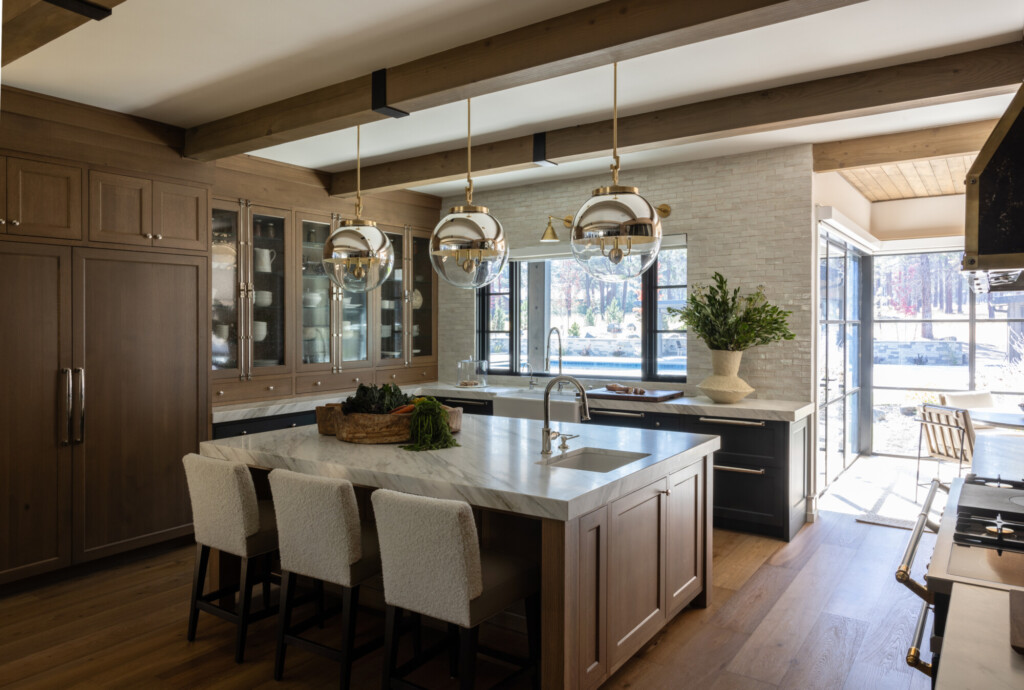
Polished nickel has been sitting quietly on the sidelines for a few years, patiently waiting for its comeback moment. And, it’s happening. Designers are leaning back into finishes that feel a little more refined, a little more old-world — and polished nickel just checks every box. It has that soft glow (not too shiny, not too cold), it ages beautifully, and it instantly makes a space feel intentional … not trendy.
Because I know someone will ask: yes, we’re using it all over our Sixth Street Bungalow project right now, and I cannot wait for you to see these spaces!
Why Polished Nickel Works (Even If You Think It Doesn’t)
1. It’s Warm Without Being “Brassy”
Polished nickel has a warm undertone that feels timeless. It gives you the elegance of chrome without the clinical vibe, and the warmth of brass without swinging too gold.
2. It Patinas … in the Best Possible Way
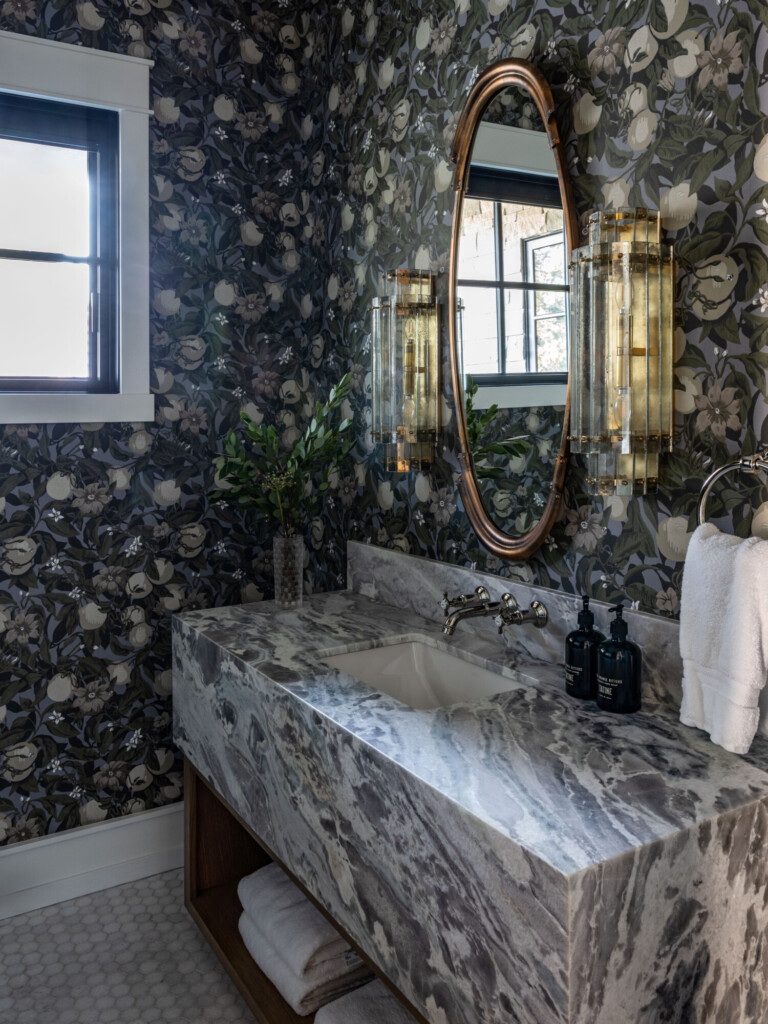
You want a finish that tells a story, and polished nickel ages very gracefully. Over time, it softens and gets a lived-in glow that just feels expensive.
Most people don’t understand why patina is desirable — they either fear it or don’t know what it means.
Let me explain:
- Polished nickel naturally deepens in tone over time, especially around handles and touch points.
- Patina ≠ damage — it’s a sign of quality and makes your fixtures look custom, not builder-grade.
- Unlike chrome, which scratches and dulls, polished nickel develops a warm richness that feels antique.
This helps homeowners understand long-term beauty, not just how something looks on install day.
3. It Plays Well With Others
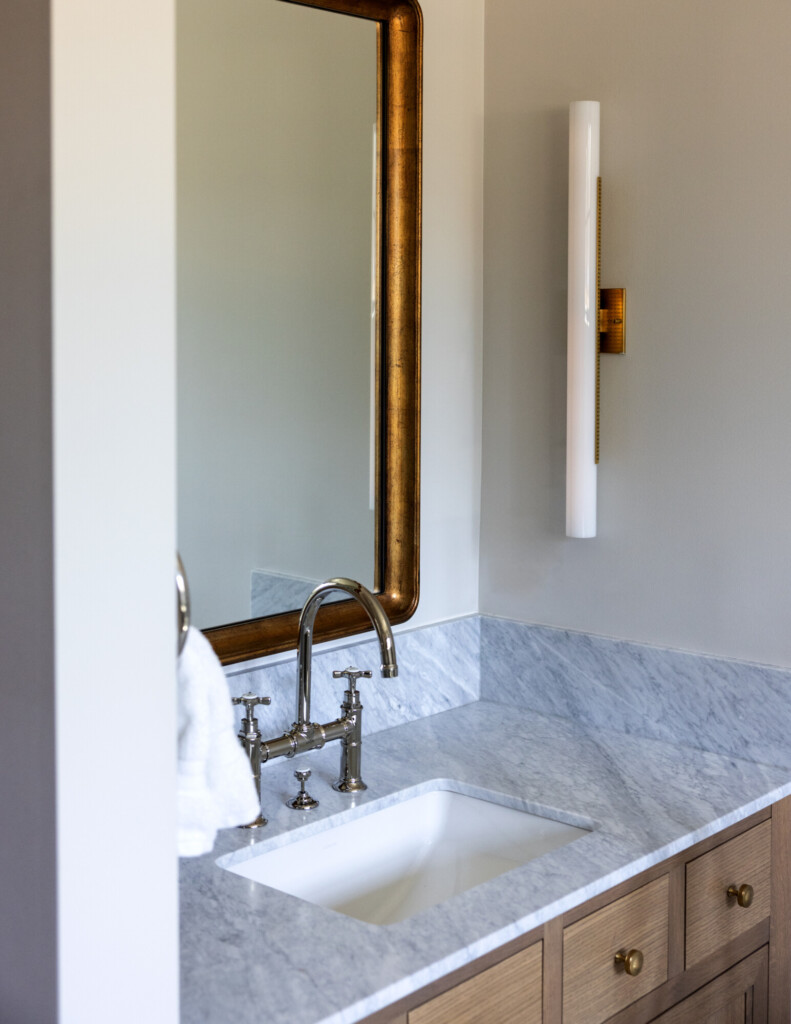
If you’re someone who stresses over mixing metals, polished nickel is the peacekeeper. It sits beautifully next to unlacquered brass, matte black, antique bronze.
Polished Nickel vs. Chrome vs. Unlacquered Brass
We hear people CONSTANTLY confuse these. Give them the cheat sheet:
Chrome
- Blue/cold undertone
- Super shiny
- Can look dated if paired with warm tones
- Great in ultra-modern spaces
- Doesn’t patina (it just shows wear)
Unlacquered Brass
- Very warm/golden
- Ages dramatically (which you must love)
- Incredible in traditional, European-inspired homes
- Seasonal maintenance
Polished Nickel
- The “middle child” — soft warmth without being yellow
- Works in any style home
- Low maintenance
- Timeless in bathrooms, kitchens, and laundry
Most clients don’t know which finish matches their home’s architecture. This breakdown saves them from mismatched, regret-based decisions.
Where It Shines (Literally): Bathrooms + Laundry Rooms
For our home, we’re sourcing polished nickel plumbing fixtures in multiple spaces:
Why Bathrooms Love Polished Nickel
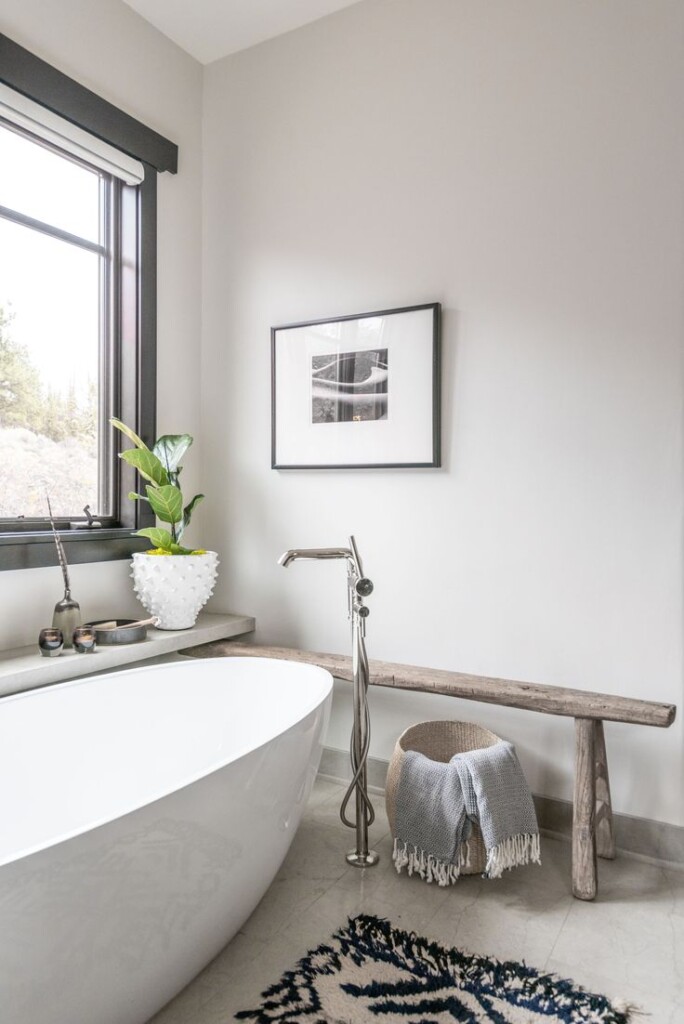
Polished nickel reflects light in a way that instantly elevates a bathroom. Even small powder rooms feel brighter. It pairs so well with creamy paints, marble, soft greens, even moody jewel tones.
It has that boutique-hotel energy without trying too hard.
Why Laundry Rooms Love It Even More
Laundry rooms can look very flat if everything is utilitarian. Polished nickel adds a little “sparkle moment.” Think beautiful bridge faucets, little cabinet knobs, exposed plumbing details … these touches make all the difference.
Where You Shouldn’t Use Polished Nickel (Designers LOVE this section)
Offering boundaries makes you more trustworthy. Consider:
- Outdoor fixtures (salt + weather can tarnish them quickly).
- High-humidity, poor-ventilation bathrooms without exhaust fans.
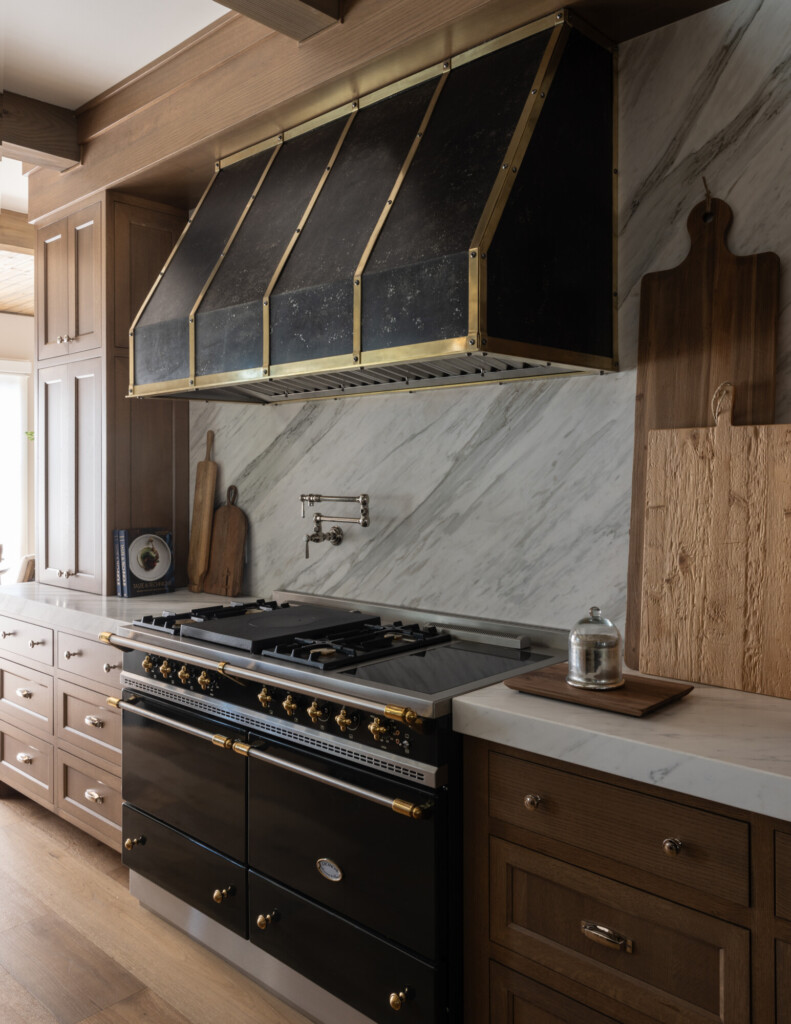
- Kitchens with high-contrast ultra-matte finishes (nickel can look too dressy).
People love knowing the “do not make this mistake” list.
At the end of the day, polished nickel really is one of those finishes that earns its beauty over time. It’s far easier to maintain than people think (a little soap, a soft cloth, and you’re good). And, before you commit to anything, always bring samples home. Your lighting, your tile, your paint … they change everything. What looks cool in a showroom can feel totally different in your bathroom at 8am.
Here are a few polished-nickel pieces I’m currently loving (and eyeing). Enjoy!