
Between the Layers | Design Guide Series
SUBSCRIBE
Design

Think Polished Nickel is Dated?
Here’s Why It’s About to be Everywhere Again

Polished nickel has been sitting quietly on the sidelines for a few years, patiently waiting for its comeback moment. And, it’s happening. Designers are leaning back into finishes that feel a little more refined, a little more old-world — and polished nickel just checks every box. It has that soft glow (not too shiny, not too cold), it ages beautifully, and it instantly makes a space feel intentional … not trendy.

Because I know someone will ask: yes, we’re using it all over our Sixth Street Bungalow project right now, and I cannot wait for you to see these spaces!
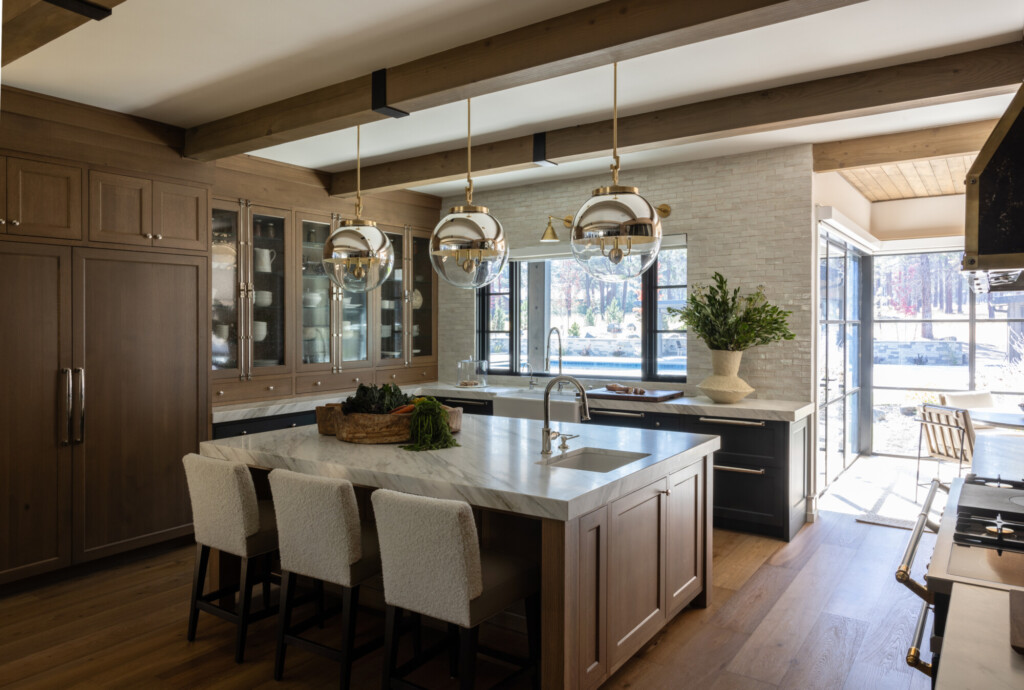
Photo: Zee Wendell

Why Polished Nickel Works (Even If You Think It Doesn’t)

1. It’s Warm Without Being “Brassy”

Polished nickel has a warm undertone that feels timeless. It gives you the elegance of chrome without the clinical vibe, and the warmth of brass without swinging too gold.
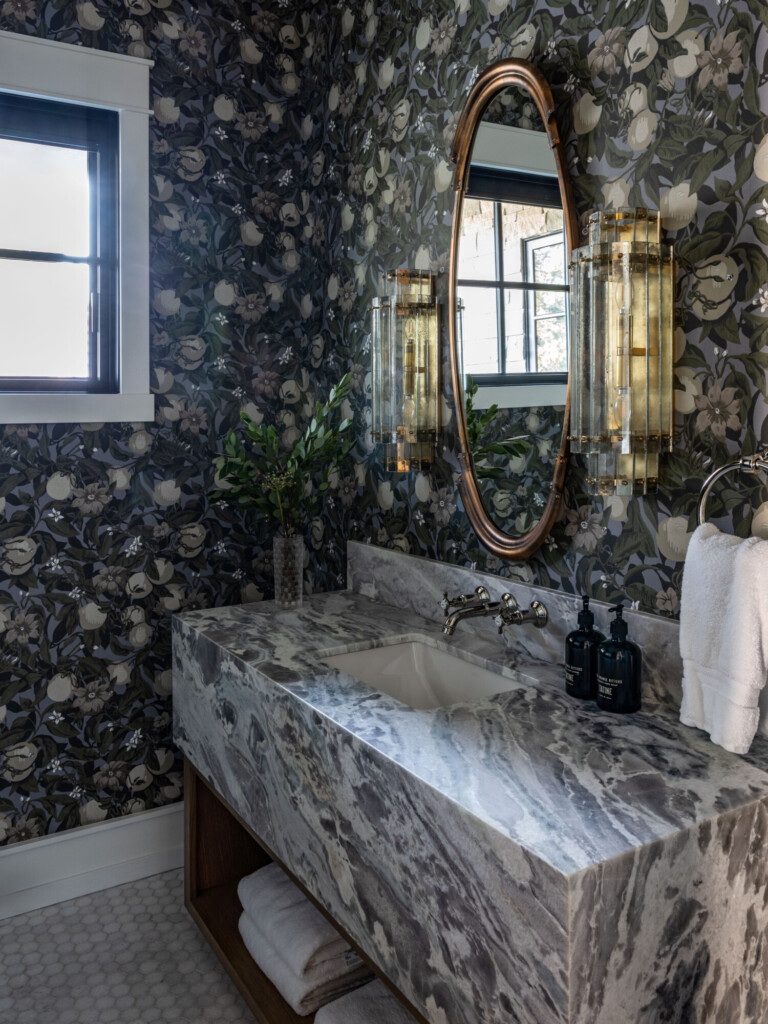
Moody powder bathroom with dark botanical wallpaper and a thick, waterfall-style marble vanity in gray and white tones. A polished nickel wall-mounted faucet sits above an undermount sink, with two vintage-inspired glass sconces flanking an oval bamboo-style mirror. Natural light enters through a black-trimmed window, and folded white towels are stored on the open wood shelf beneath the vanity.
Photo: Zee Wendell

2. It Patinas … in the Best Possible Way

You want a finish that tells a story, and polished nickel ages very gracefully. Over time, it softens and gets a lived-in glow that just feels expensive.

Most people don’t understand why patina is desirable — they either fear it or don’t know what it means.
Let me explain:

  • Polished nickel naturally deepens in tone over time, especially around handles and touch points.
  • Patina ≠ damage — it’s a sign of quality and makes your fixtures look custom, not builder-grade.
  • Unlike chrome, which scratches and dulls, polished nickel develops a warm richness that feels antique.

This helps homeowners understand long-term beauty, not just how something looks on install day.

3. It Plays Well With Others

If you’re someone who stresses over mixing metals, polished nickel is the peacekeeper. It sits beautifully next to unlacquered brass, matte black, antique bronze.
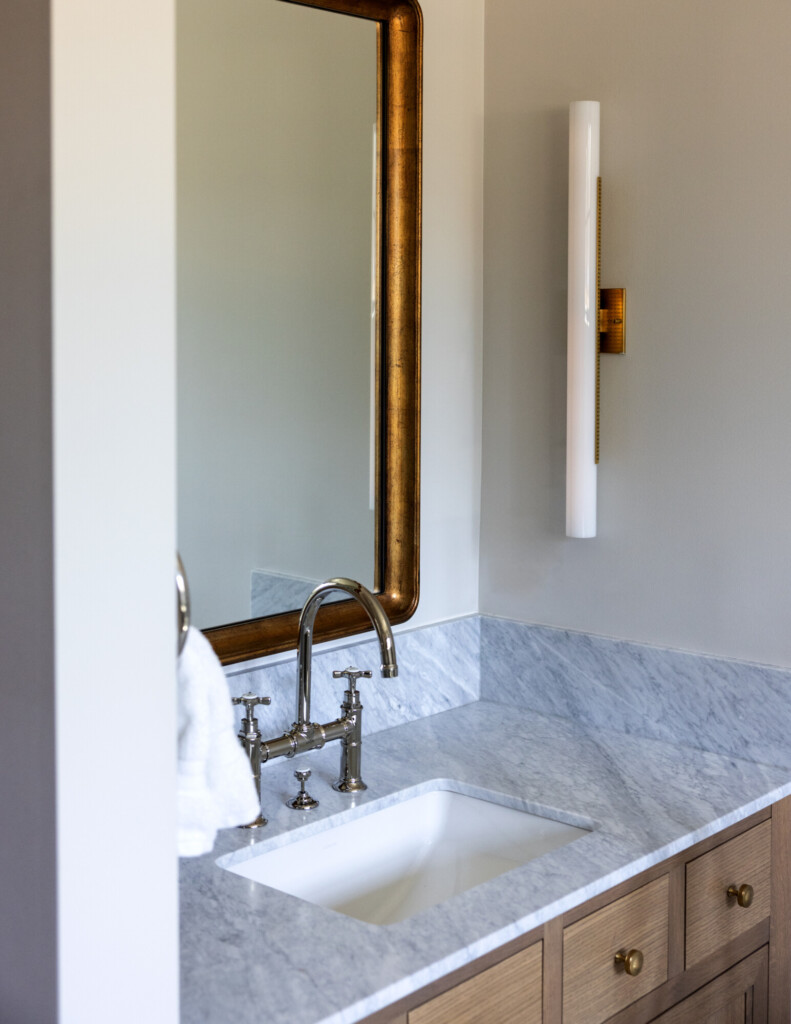
A bathroom vanity featuring a polished nickel bridge faucet mounted on a honed marble countertop. A large antiqued brass-framed mirror hangs above the sink, paired with a sleek vertical white sconce on the adjacent wall. Warm wood drawers with brass knobs add contrast against the cool marble, creating a refined and timeless look.
Photo: Zee Wendell

Polished Nickel vs. Chrome vs. Unlacquered Brass

We hear people CONSTANTLY confuse these. Give them the cheat sheet:

Chrome

  • Blue/cold undertone
  • Super shiny
  • Can look dated if paired with warm tones
  • Great in ultra-modern spaces
  • Doesn’t patina (it just shows wear)

Unlacquered Brass

  • Very warm/golden
  • Ages dramatically (which you must love)
  • Incredible in traditional, European-inspired homes
  • Seasonal maintenance

Polished Nickel

  • The “middle child” — soft warmth without being yellow
  • Works in any style home
  • Low maintenance
  • Timeless in bathrooms, kitchens, and laundry

Most clients don’t know which finish matches their home’s architecture. This breakdown saves them from mismatched, regret-based decisions.

Where It Shines (Literally): Bathrooms + Laundry Rooms

For our home, we’re sourcing polished nickel plumbing fixtures in multiple spaces:
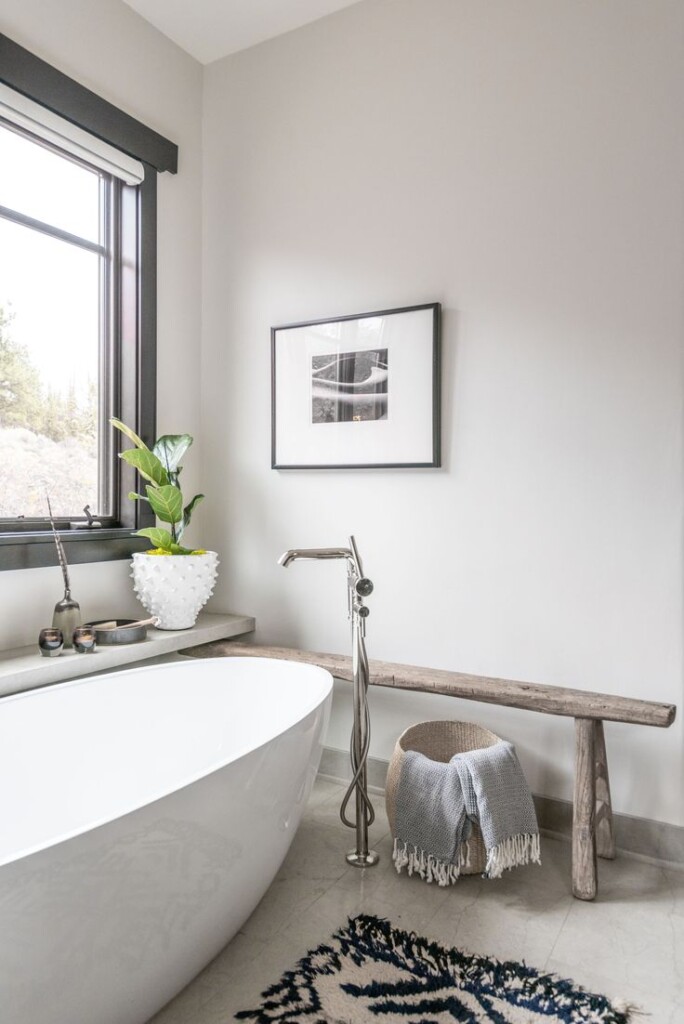
A modern neutral bathroom with a freestanding white soaking tub, a polished nickel floor-mounted tub filler, and a rustic wooden bench styled with a woven basket and textured throw. A white sculptural planter with greenery sits on the ledge beneath a black-framed window, and a simple black-and-white photo hangs above, creating a calm and minimalist spa-like atmosphere.
Photo: Zee Wendell

Why Bathrooms Love Polished Nickel

Polished nickel reflects light in a way that instantly elevates a bathroom. Even small powder rooms feel brighter. It pairs so well with creamy paints, marble, soft greens, even moody jewel tones.

It has that boutique-hotel energy without trying too hard.

Why Laundry Rooms Love It Even More

Laundry rooms can look very flat if everything is utilitarian. Polished nickel adds a little “sparkle moment.” Think beautiful bridge faucets, little cabinet knobs, exposed plumbing details … these touches make all the difference.
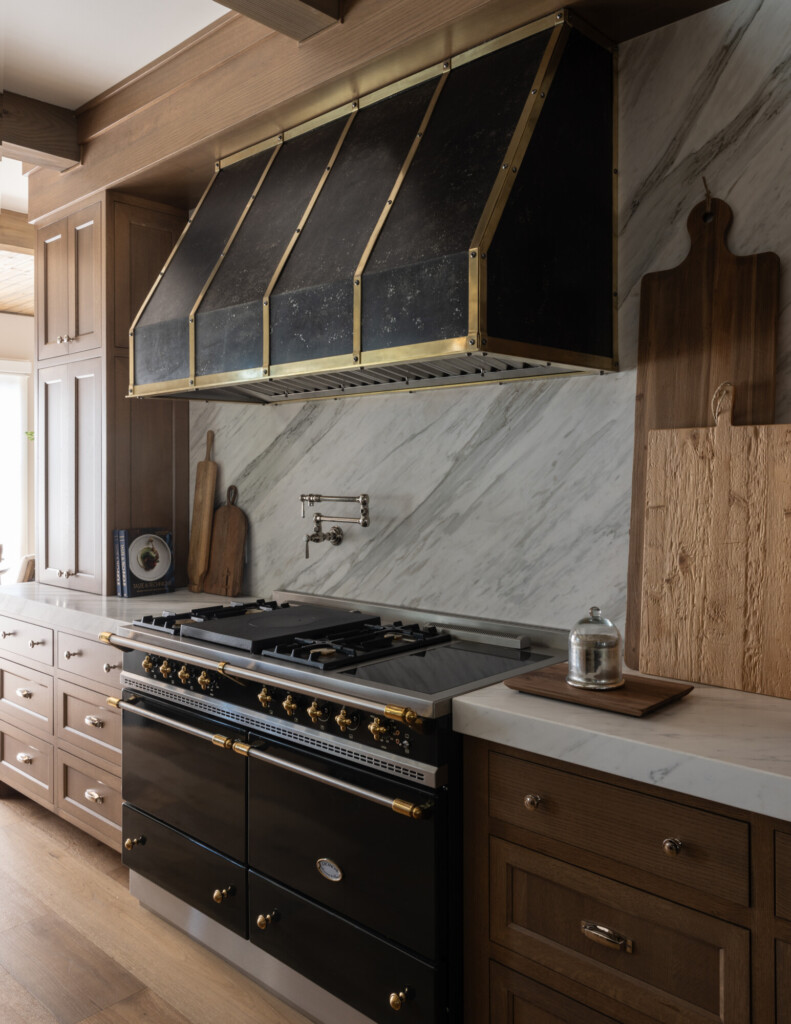
Close-up view of a luxury kitchen range area featuring a black and brass Ilve-style stove beneath a large custom range hood with black panels and brass trim. The backsplash is a slab of soft gray-veined marble, with a polished nickel pot filler mounted above the cooktop. Warm wood cabinetry with brass hardware surrounds the space, along with wood cutting boards and a small marble cloche displayed on the counter. The overall look feels elevated, timeless, and warmly traditional.
Photo: Zee Wendell

Where You Shouldn’t Use Polished Nickel (Designers LOVE this section)

Offering boundaries makes you more trustworthy. Consider:

  • Outdoor fixtures (salt + weather can tarnish them quickly).
  • High-humidity, poor-ventilation bathrooms without exhaust fans.
  • Kitchens with high-contrast ultra-matte finishes (nickel can look too dressy).

People love knowing the “do not make this mistake” list.

At the end of the day, polished nickel really is one of those finishes that earns its beauty over time. It’s far easier to maintain than people think (a little soap, a soft cloth, and you’re good). And, before you commit to anything, always bring samples home. Your lighting, your tile, your paint … they change everything. What looks cool in a showroom can feel totally different in your bathroom at 8am.

Here are a few polished-nickel pieces I’m currently loving (and eyeing). Enjoy!

Join the Conversation

get inspired
#clouzhouz
follow along
@clouz_houz
This was such a strange full-circle moment. I could immediately remember being 30 years old, standing in those rooms with Derrick and trying to figure out what the heck we were doing!! We had ideas. We weren’t afraid of a project. I had loved design long before it became my career. But I didn’t have a process yet.

Now, after 15 years of designing homes for other people, I can see exactly what I was missing: a way to make the decisions as a whole instead of one at a time (and on my own).

That’s probably why The Design Suite feels so personal to me. It’s built for someone who reminds me a lot of myself back then—the homeowner who appreciates beautiful spaces, is happy to execute, but wants an experienced design team to establish the vision and work through the decisions before the orders are placed and the contractor needs answers.

And you don’t have to do it all tomorrow. Having the plan means you can implement it at the pace that makes sense for you. I would’ve loved to have that roadmap in this little Portland house.

If you’re standing in your own version of it right now, wondering where to begin, I’d love to hear about it.
🤎 Send me a message or head to the link in our bio to inquire about The Design Suite.
September always does something to my design brain.
These are 5 things I can’t stop pinning right now as we head into fall. Some were already working into our own home and some are showing up in client projects.

I’m going much deeper on all five in today’s Design Board Pinnings—how I’d actually use them, the ideas I’m saving, pieces I’ve sourced + a few things we’re doing at Sixth Street.

It lands in inboxes later today. Comment ‘LIST’ (or link in bio) and I’ll send you the link to subscribe so you don’t miss it.
Interior designer by day. Reluctant content creator... also by day, apparently.

When I started this business in 2022, I knew I’d be designing homes, meeting with clients, sourcing, problem solving, running a team-all the things I genuinely love.

What I didn’t quite account for was how often I’d have to stand in front of a camera and attempt to form a coherent sentence.

Almost four years in and, unfortunately, this part has not gotten any easier. But sharing our work, my ideas, the things I’m learning and even some of the messier parts of running a small business has become such a big part of what we do.

So here’s a little peek at what normally gets cut from the final edit.

Fellow designers/business owners... please tell me I’m not the only one with 47 takes of a 10-second sentence.