The Shift We’re Seeing in Home Design Right Now
Every year, we hear the word trends and start thinking about what’s going to look new. However, what we’re really watching in 2026 is how people want their homes to feel.
This comes after years of ultra-minimal, everything-matching, perfectly-styled spaces … and almost un-lived in aesthetic. Indeed, 2025 quietly started a shift. Homes began loosening up. People wanted warmth again. Personality. A little chaos. A little romance. Spaces that felt like real life is happening inside them.
And now in 2026? That shift is fully here. Clients are asking for rooms that support their lifestyle very intentionally. Think slow mornings, kids dropping backpacks, late-night movies, hosting friends, working from home, doing skincare on the sofa. Design isn’t solely about showing off anymore. It’s about creating the feeling of home.
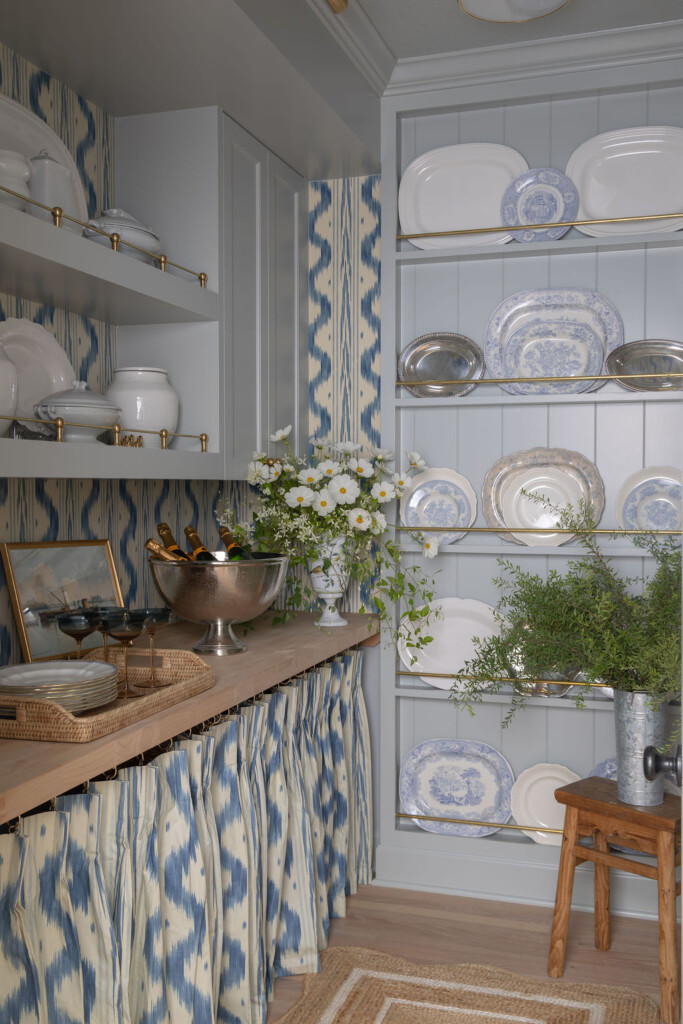
At Clouz Houz, this is what we’ve always believed: no two homes should look the same because no two lives look the same. The trends we’re seeing now finally support that philosophy: layered, collected, imperfect, and deeply personal.
So these aren’t just “what’s in.” They’re signals of what people are craving: comfort, creativity, and connection.
1. Colorful Cabinetry & Kitchens That Don’t Match
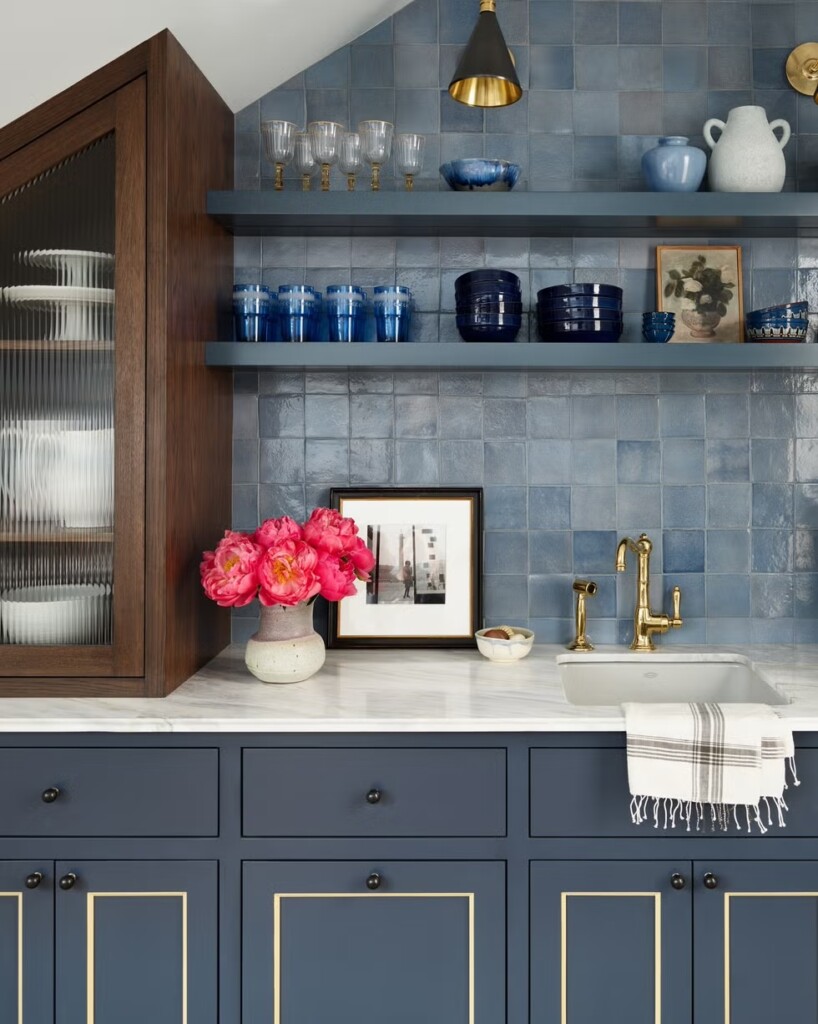
The end of all-white, all-same kitchens
White kitchens had their moment. Then oak had its moment. And, while I still love both, there’s a new kid in town! 2026 is about color and contrast.
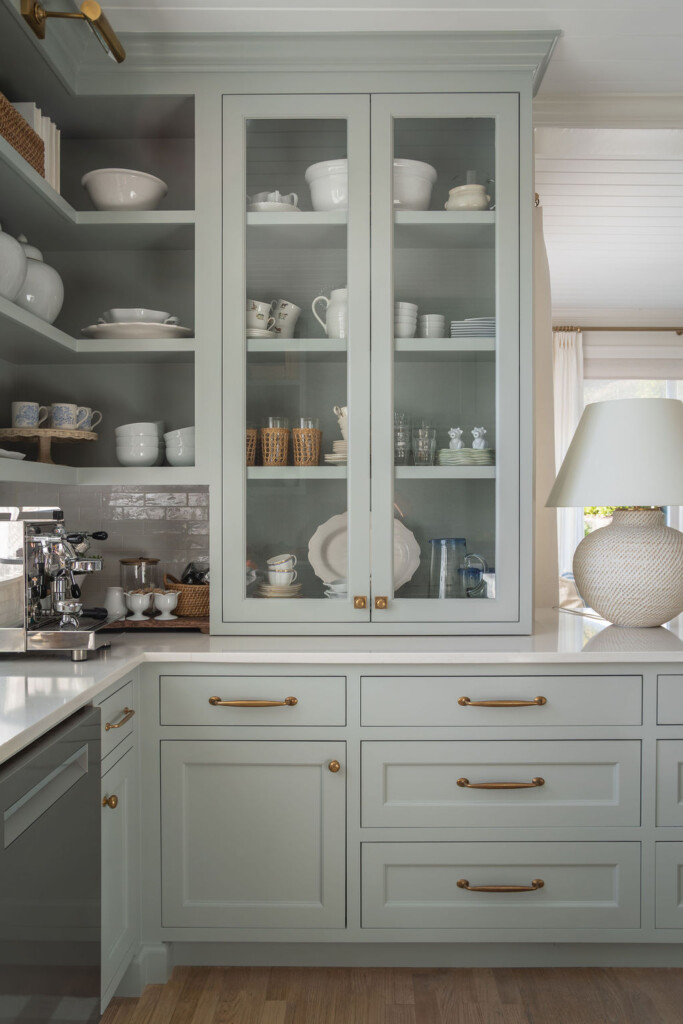
We’re seeing painted cabinetry, mixed finishes, and kitchens that feel more like rooms and not sterile boxes. A soft green island, a deep blue pantry, a warm wood hood, brass hardware that doesn’t match the faucet … and that’s exactly the point.
We always say nothing in a room should match, so why would a kitchen be any different?
Your fridge doesn’t have to match your range. Your hood doesn’t have to match your cabinets. When everything is allowed to play off each other, you get depth, character, and a space that feels designed (not bought as a set).
2. The End of Open Concept Everything
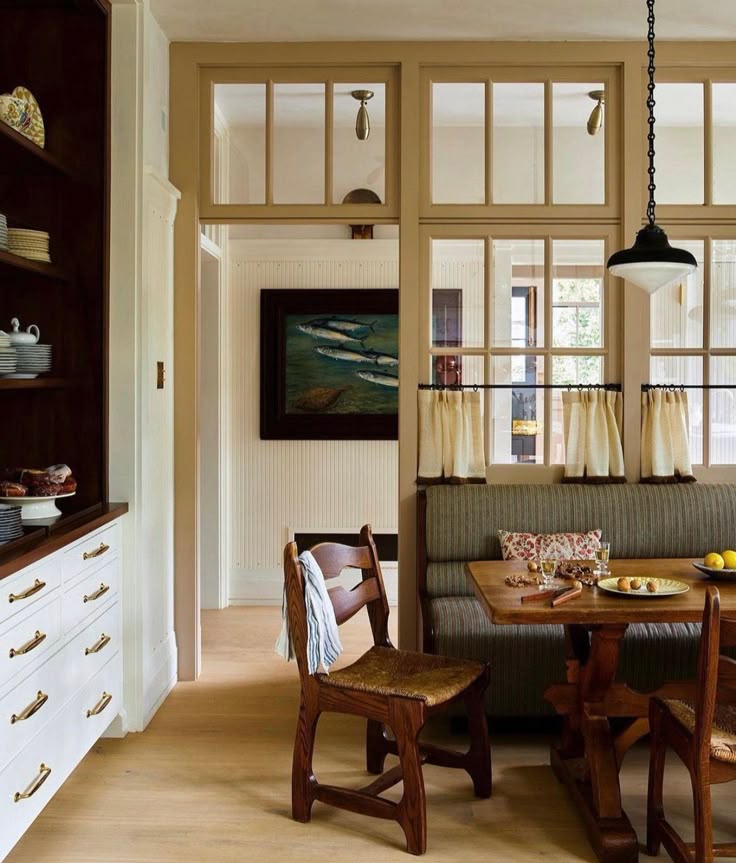
Open concept isn’t gone, but open everything is. People want rooms again!
In 2026, we’re designing more zones: cozy breakfast nooks, moody TV rooms, small reading corners, layered dining spaces. People don’t want one giant room doing ten jobs. They want spaces that support different moods and rituals.
This is a huge shift toward personalization. A family that loves movie nights needs something totally different than someone who hosts dinner parties every weekend. Closing things in, creating cased openings, curtains, millwork, or layout tricks lets designers actually tailor homes to the people living there.
3. Celebrating Craftsmanship and Sustainability
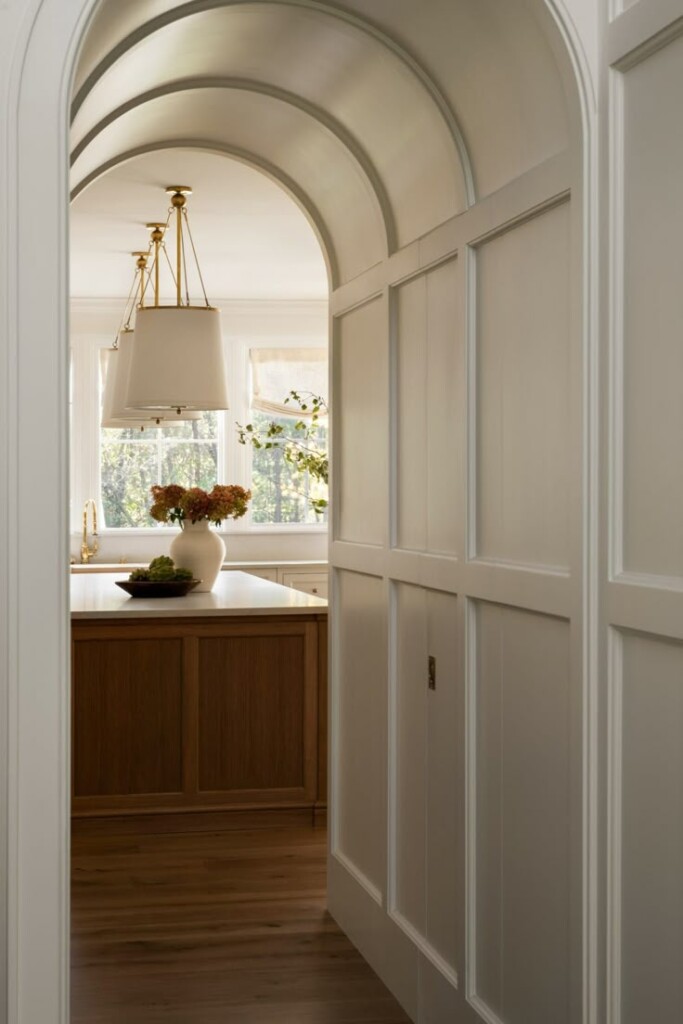
Mass-produced, flat, overly-perfect interiors are out. What’s in? Texture, depth, and things that look touched by human hands. You should be able to feel how something was made. This is especially aligned with sustainability and seeing designers source more and more from vintage finds. There’s something pretty rewarding about finding that perfect piece for a space and knowing that it’s not only saving the landmines, but also creating a special feeling with something that has a story.
Think:
- Saturated millwork
- Hand-stenciled walls
- Furniture you can tell was built, not stamped
- Tiles with variation
- Vintage or one-of-a-kind furniture pieces
People want homes that feel layered and soulful.
4. Pattern Drenching (Curated Maximalism)
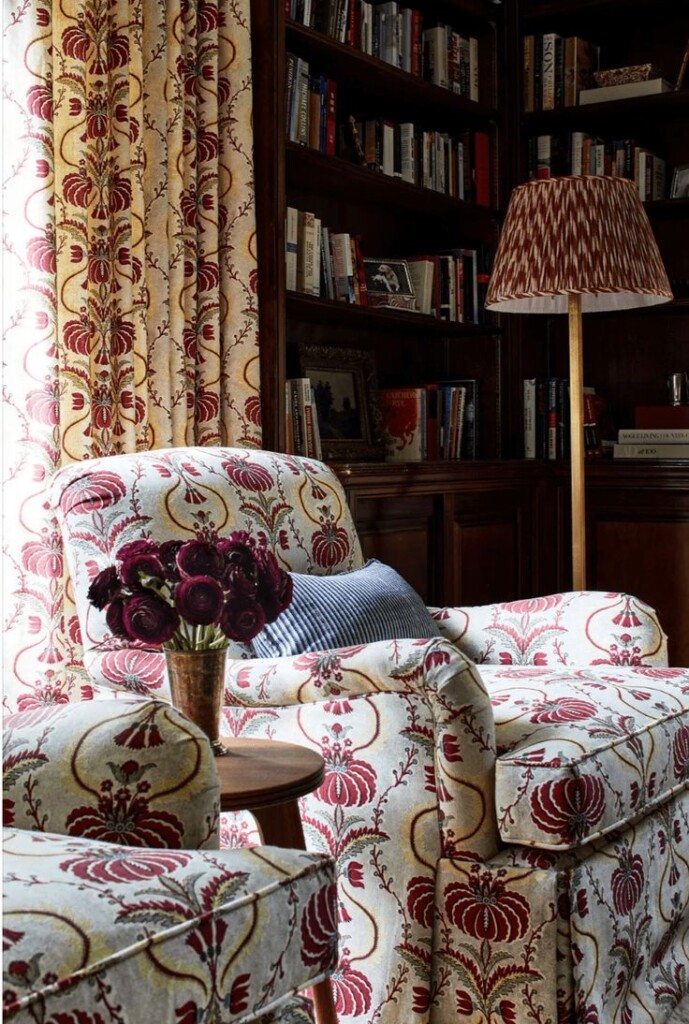
Pattern drenching is exactly what it sounds like: letting patterns take over a space. Wallpaper, rugs, textiles, upholstery, even ceilings, all working together instead of being afraid of each other. We are going to see a lot more of this as people want to feel cocooned in their spaces with color and patterns, and this brings a comforting feeling to homes.
The key is curation. This isn’t chaos — it’s storytelling through pattern.
5. Lived-In, Romantic Interiors
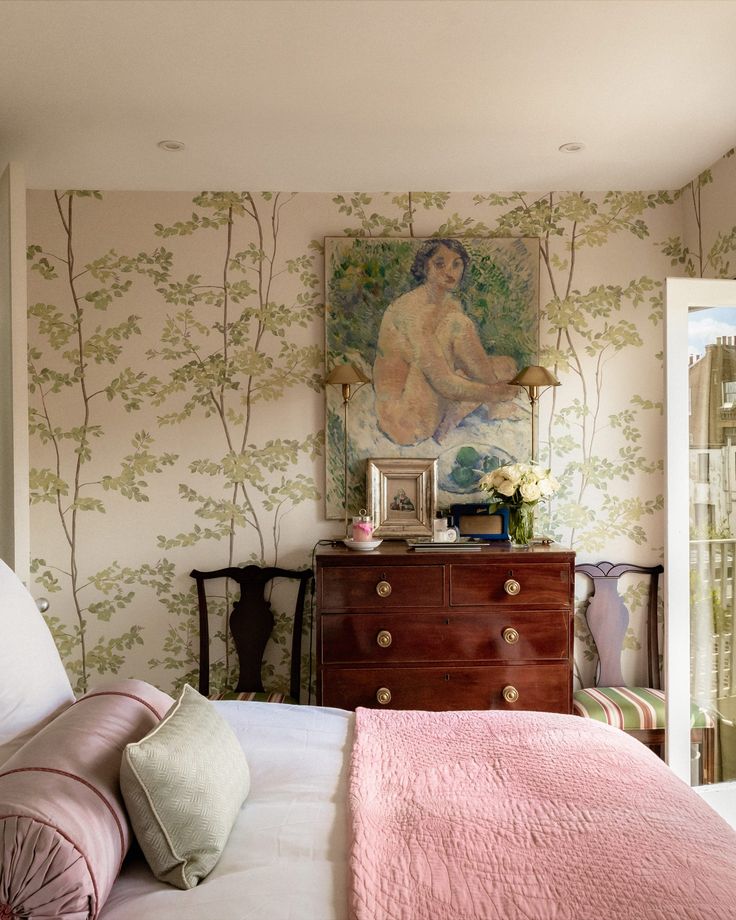
For years, we were taught that homes should look untouched. But in 2026, we’re romanticizing the signs of life. There is something truly elegant in a very juxtapositional way when we live in a beautiful space but in a relaxed way. Sitting on the all- white linen sofa, eating take out pizza in a formal dining room. I think people are romanticizing how they live, so shouldn’t our interiors follow?
- A slouchy pillow on the linen sofa
- A cashmere throw that isn’t folded perfectly
- Books stacked on coffee tables — the more the better
- Open shelving with pretty dishes meant to be seen and used.
- A bed made for naps (no more crawling into a bed with fifty pillows)
These details tell a story. Someone was here, resting, living, enjoying their space. Homes can still feel elevated and beautiful, but they don’t need to look frozen.
6. Murals & Storytelling Walls
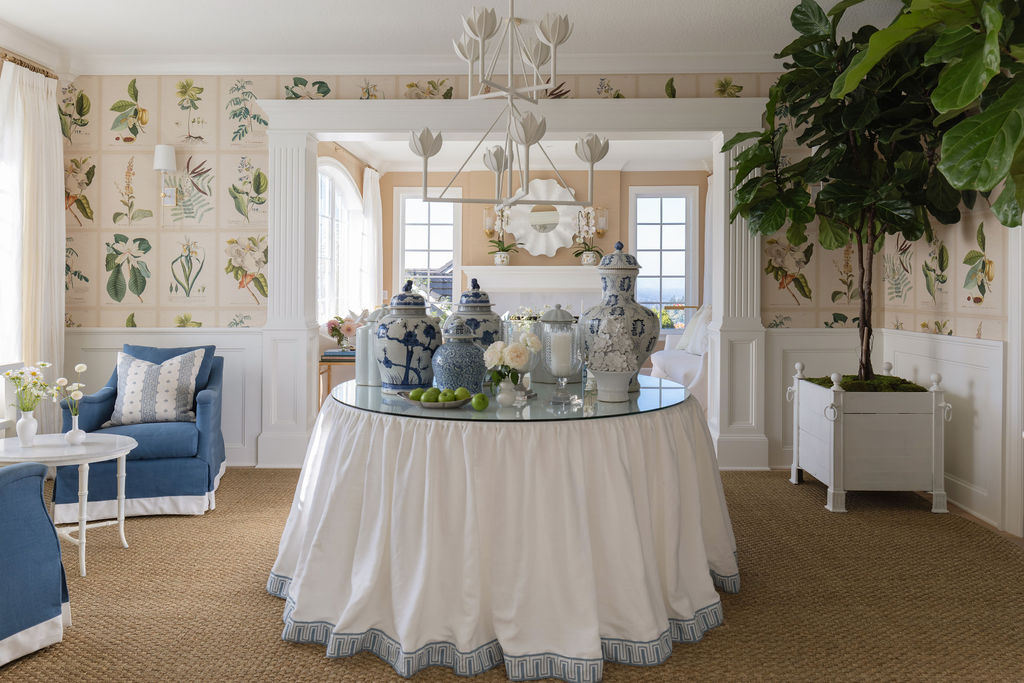
Photo: Emily Kennedy
Painted murals, hand-drawn scenes, and illustrated walls are exploding, especially in dining rooms, powder baths, and bedrooms.
I’ve always loved a mural for any space, and I’ve been seeing them more and more. They don’t just apply to certain rooms anymore — use in a bedroom or a powder bath to really set a tone. I think we will see a lot more of them this year, mixed with other elements that feel more contemporary to balance out the formality.
Where This All Lands
If there’s one takeaway from the shifts we’re seeing in 2026, it’s this: homes are becoming more honest.
Less about perfection. Less about copying what’s trending online. More about how people actually live—and how they want to feel when they walk through the door.
What excites us most is that these trends aren’t asking you to start over. They’re inviting you to layer thoughtfully, invest intentionally, and make choices that support your real life. Color that feels personal. Rooms that have purpose. Materials that age beautifully. Details that tell a story.
At Clouz Houz, this has always been our approach. We believe great design lives in the nuance—the way finishes interact, how light moves through a space, the balance between old and new, high and low. Mixing accessible pieces with meaningful investments doesn’t mean cutting corners. It means knowing where to spend, where to save, and how to bring it all together so it feels cohesive, elevated, and effortless.
Designing a home like this takes more than good taste. It takes experience, trusted vendors, deep sourcing, technical knowledge, and an understanding of how a space will function years down the road—not just on reveal day. That’s what our clients come to us for. And, it’s why no two Clouz Houz homes ever look the same.
If these trends resonate with you, consider them an invitation—not to chase what’s “in,” but to design a home that feels deeply yours. One that supports your routines, your family, your gatherings, your quiet moments, and everything in between.