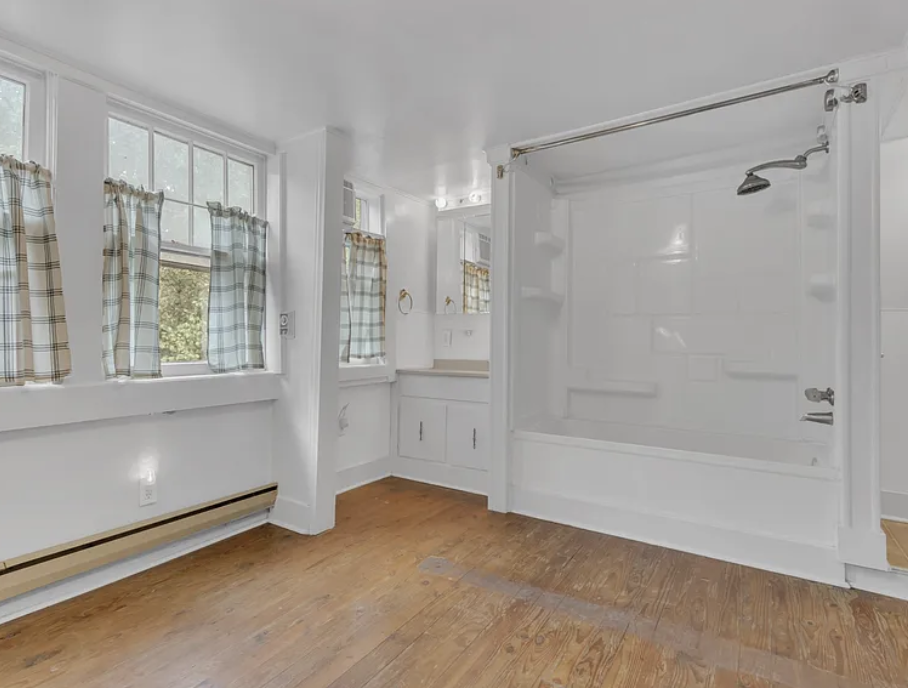
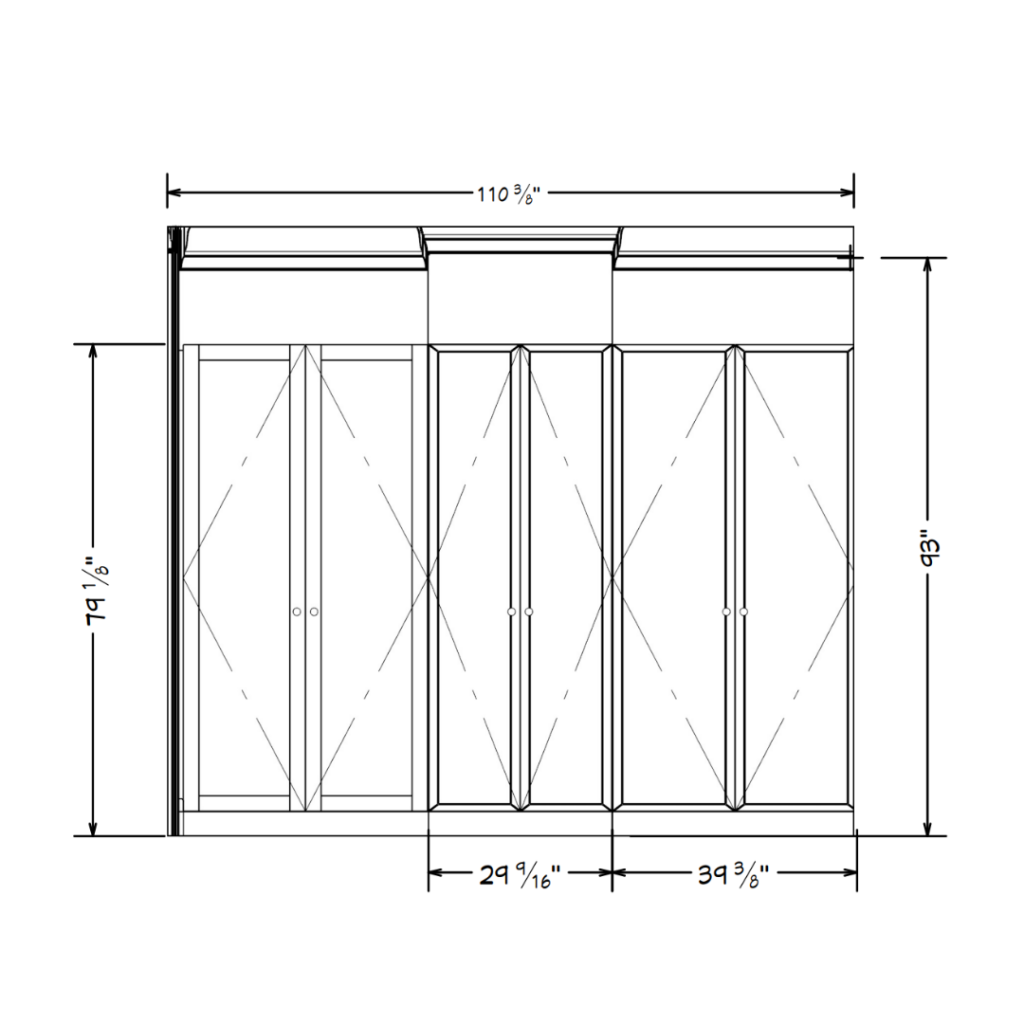
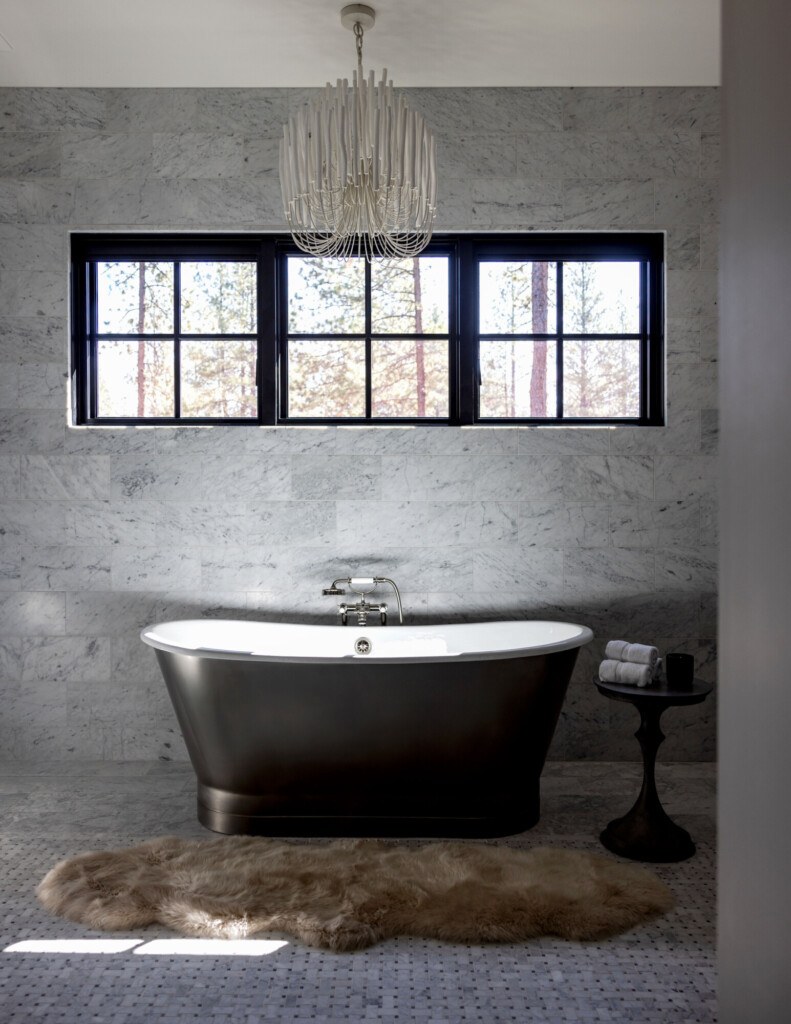
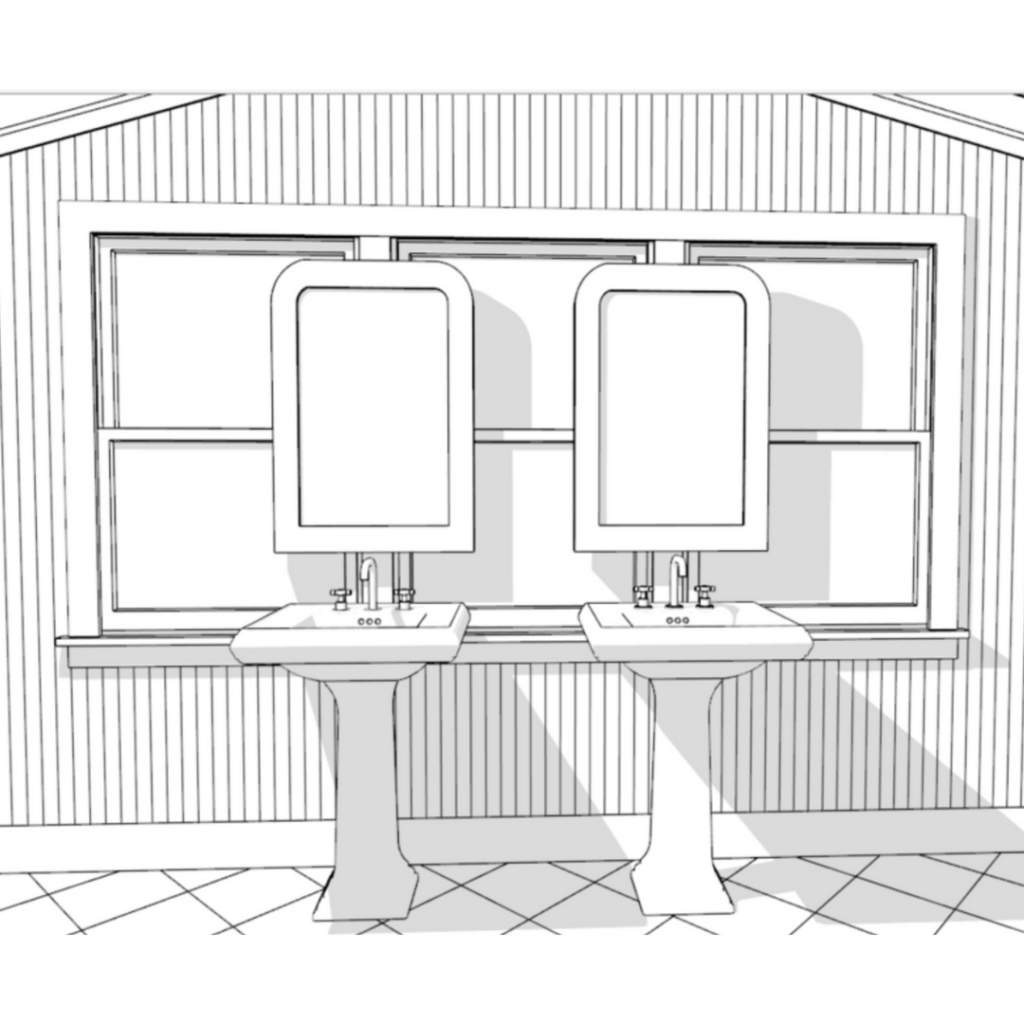
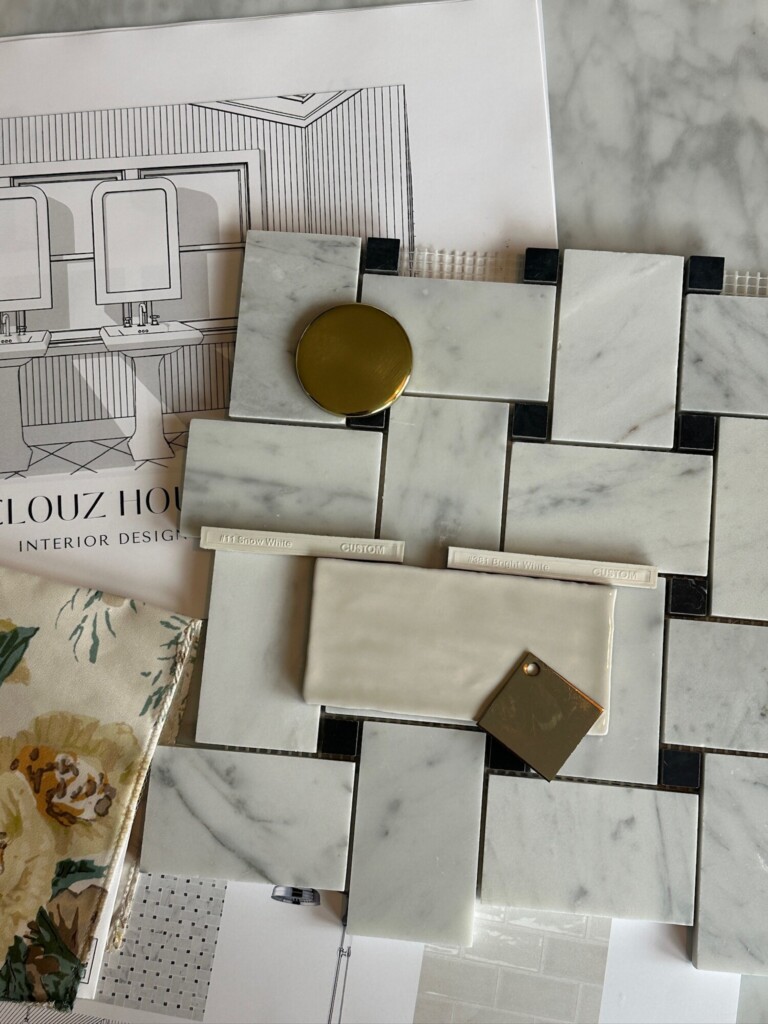
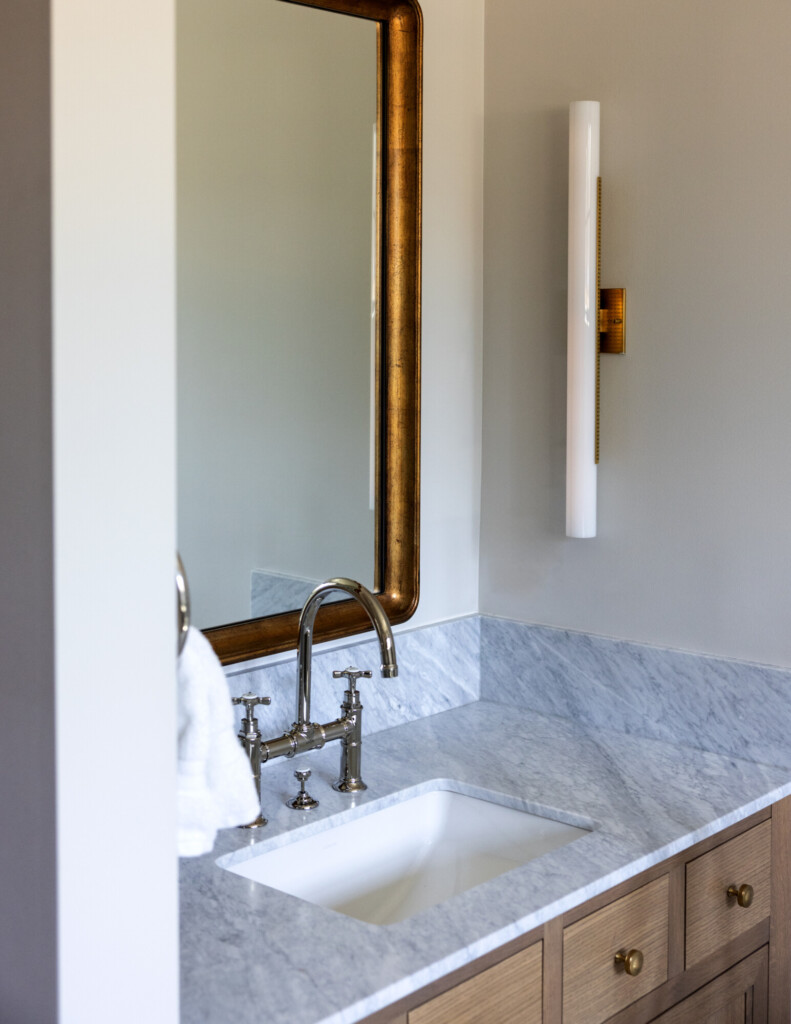
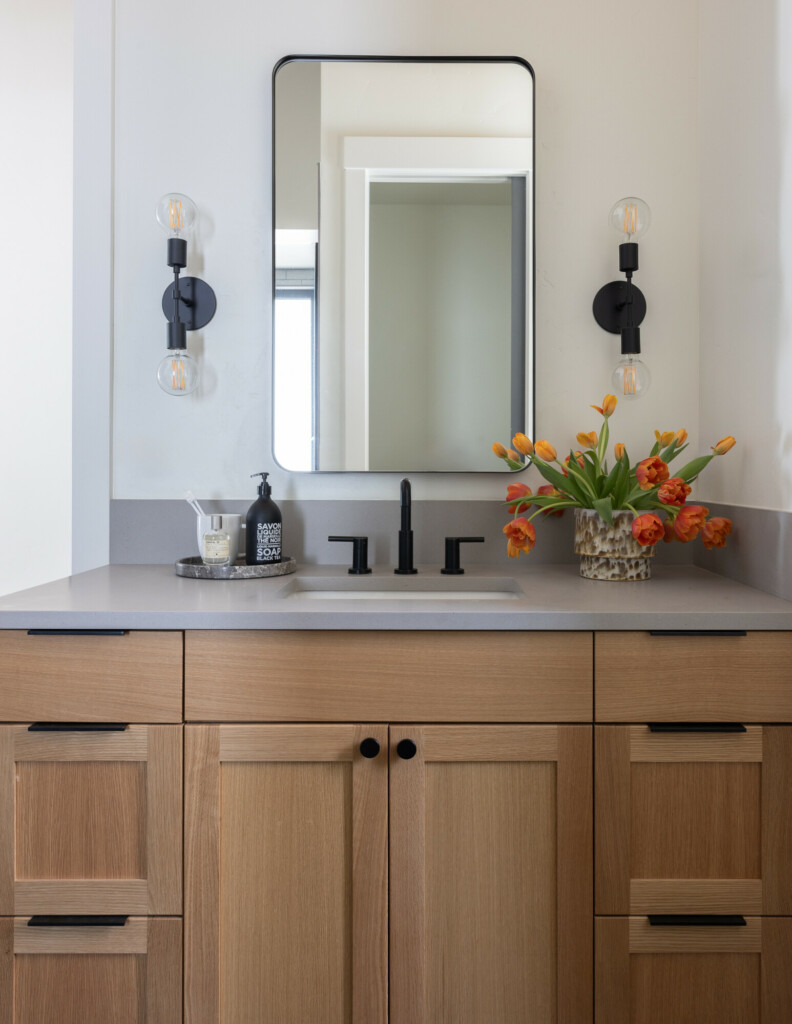
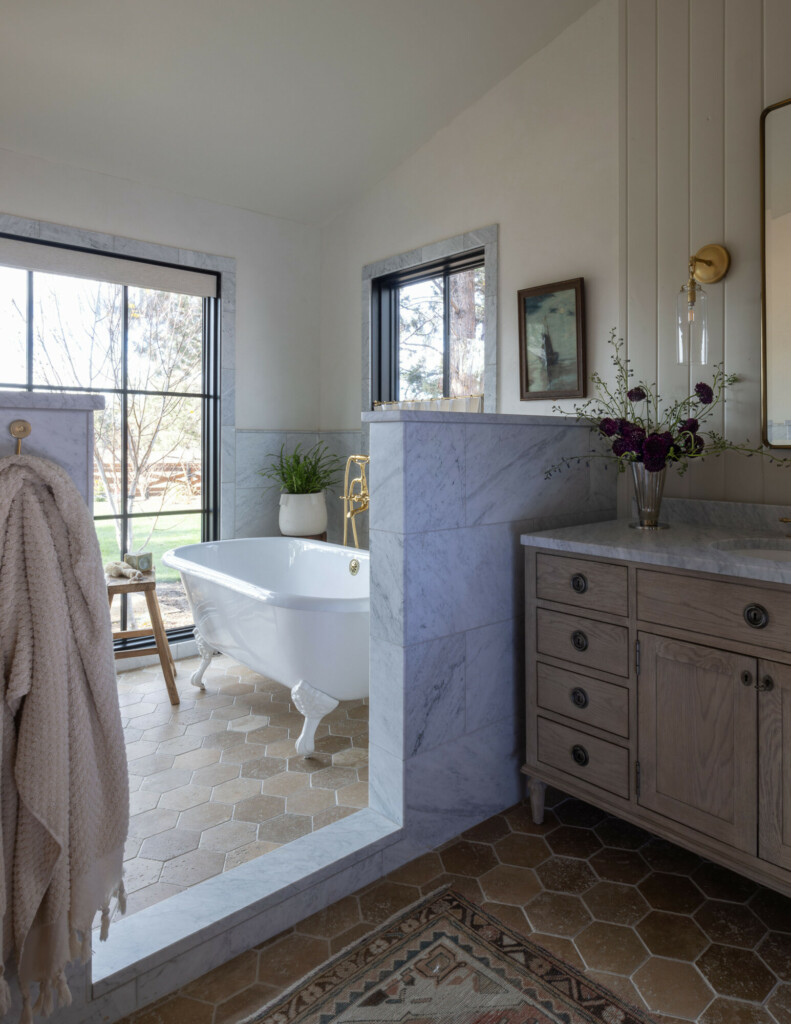
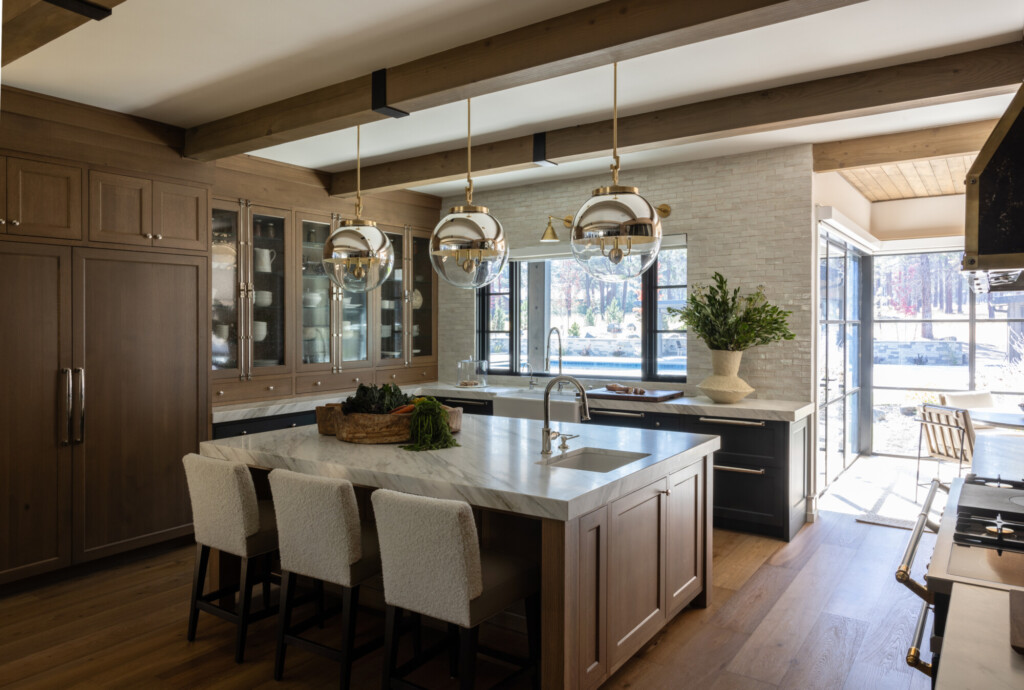
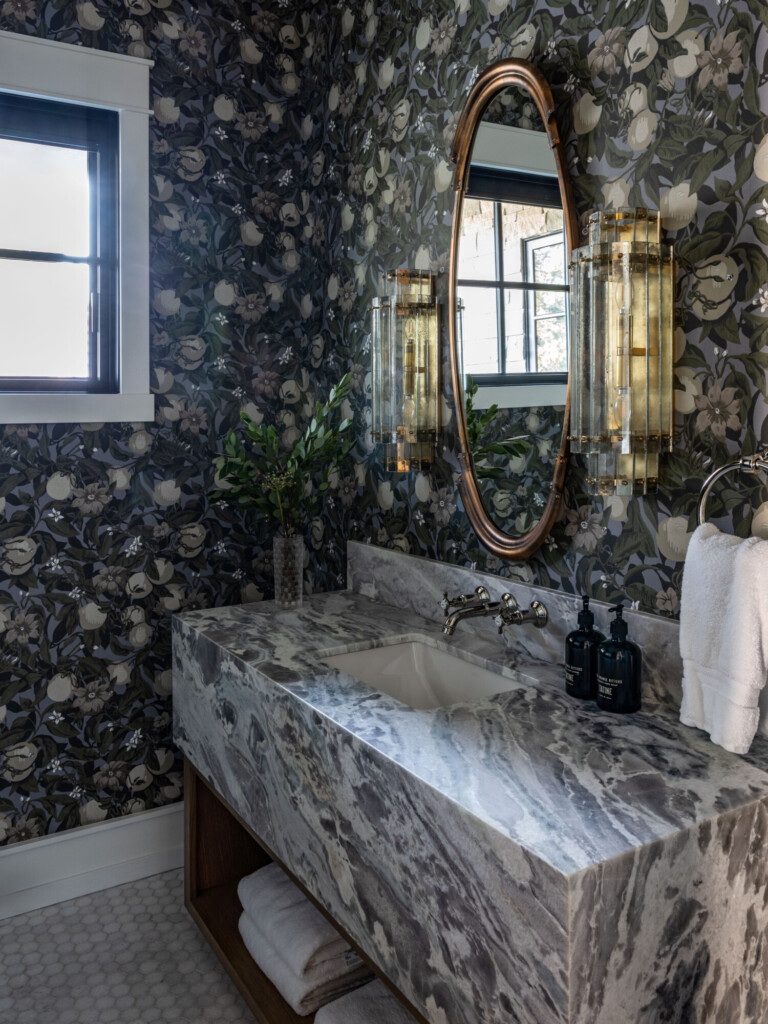
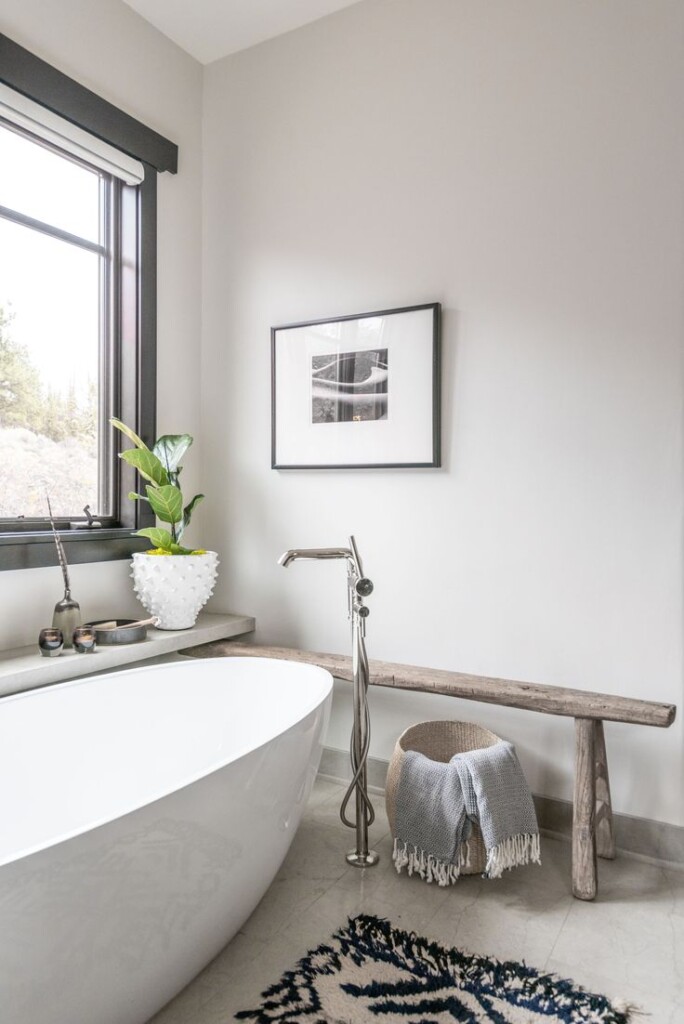
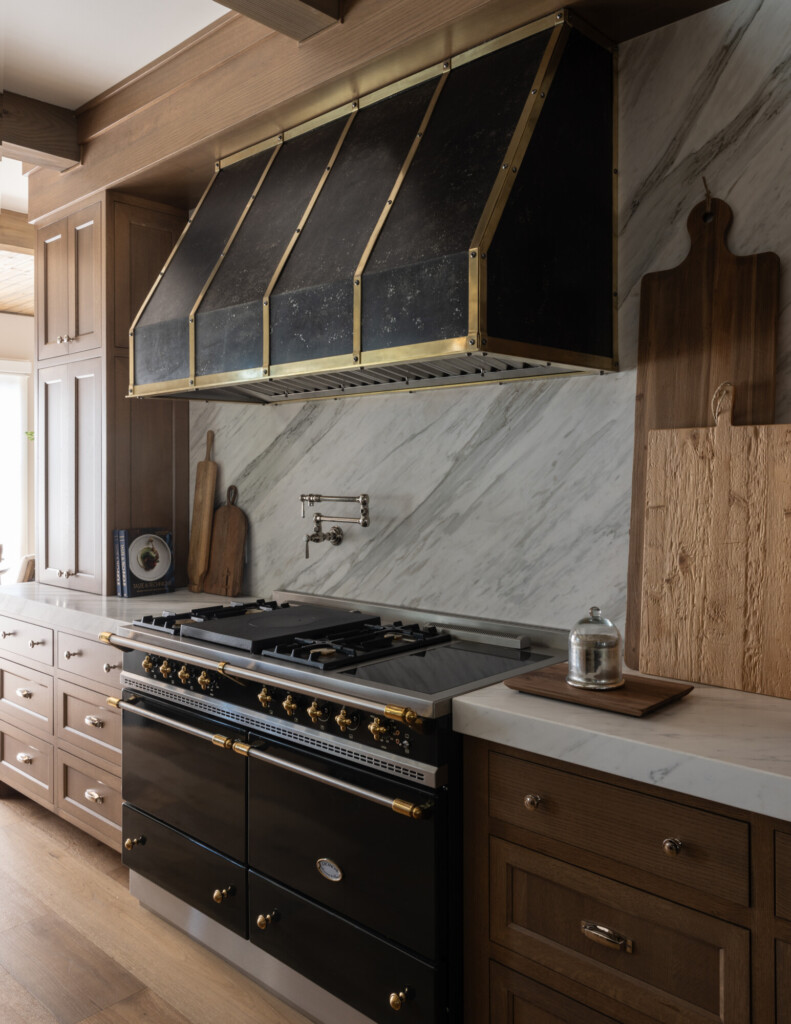
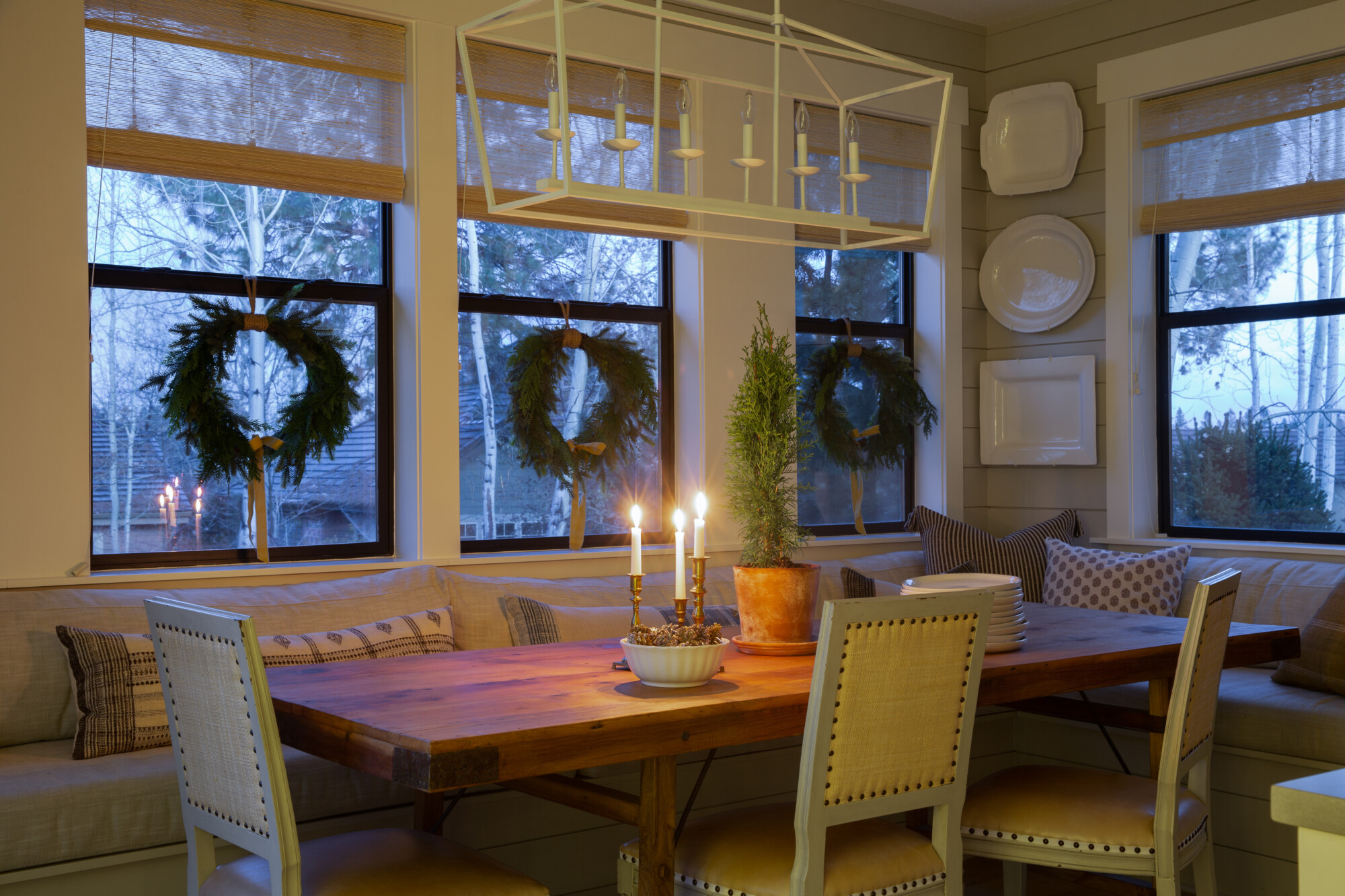
Today we’re talking about timelines—something everyone underestimates at least once. Renovations never move as quickly as the HGTV version would have you believe. Between permits, inspections, contractor schedules, supply chain delays, and all the “surprises” hiding behind walls, things can stretch out longer than you’d expect.
I want to walk you through what’s realistic when you’re planning a project and where you can build in buffer time. And, how to manage expectations so you don’t lose steam when your six-month project suddenly turns into nine or twelve! Of course, since we’re in the middle of a big transition ourselves—moving to Tennessee (!!) and diving into our first property there—I’ll also be sharing how we’re approaching timelines for our upcoming projects.
Because if there’s one thing I’ve learned, it’s this: the calendar is just as important as the budget.
Why Everything Takes Longer Than You Think
Renovation time ≠ task time. What stretches a schedule isn’t usually the work itself—it’s the dependencies around the work.
Permits & approvals. Even “simple” projects can require permits or historical review. Plan for: application prep (drawings, scope, product cut sheets), review time, possible corrections, and booking inspections.
Trades scheduling. Good trades are busy. If your plumber can start Tuesday, but the framer is 2 weeks out, plumbing waits—and risk plumber taking on another job that he can start immediately (which now you are waiting on plumber… you get the idea)
Inspections (and re-inspections). You can’t close a wall until it passes. One missed nail plate or wiring mishap = a day or two to correct + a new inspection window.
Material lead times.
Windows/doors: often 6–14 weeks.
Custom cabinetry: 8–12 weeks. Stone tops: template after cabinets set, then 1–3 weeks to fabricate.
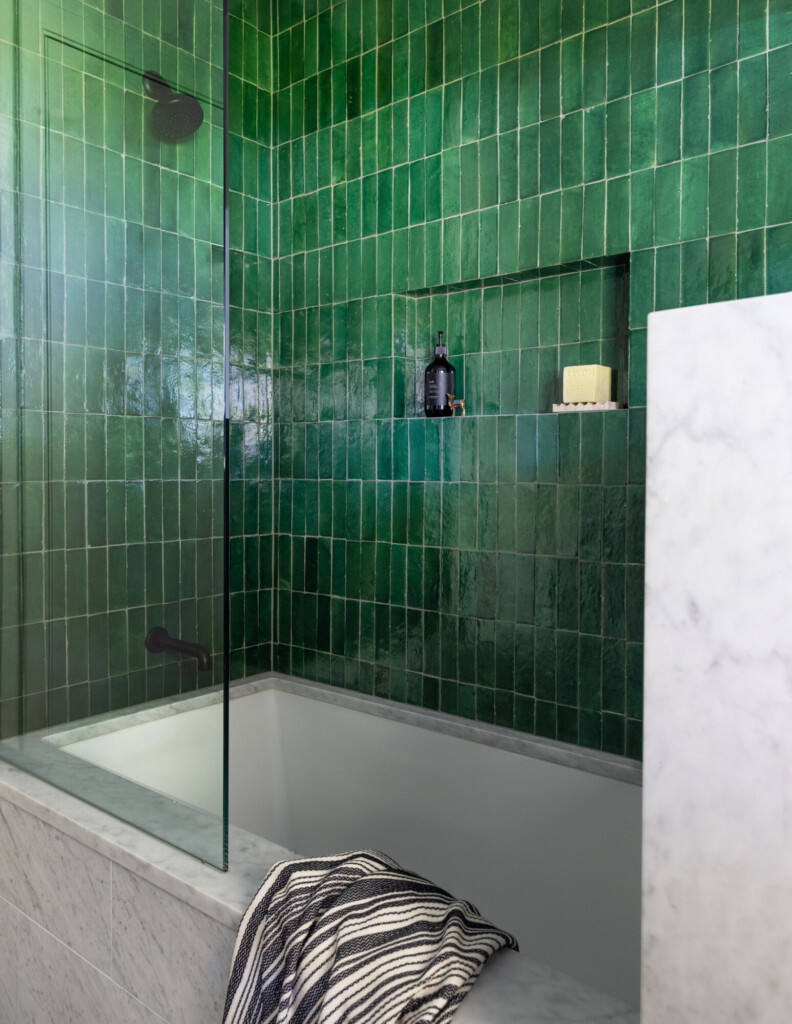
Shower glass: measure after tile, then 1–2 weeks to install.
Lighting/plumbing: “in stock” still ships and can arrive incomplete or damaged.
Curing & acclimation (the silent time sinks).
Hardwood acclimation: 3–7 days.
Floor finish cure: 24–72 hours before furniture.
Tile mud/thinset/grout: staggered dry times.
Paint: touch-safe ≠ fully cured.
Scope creep + surprises. Open a wall, find old knob-and-tube electrical that was never replaced. Move a doorway, now the HVAC trunk needs rerouting. (Been there; our “quick” bath once gained an electrical panel upgrade and hardwired smokes.)
Utility coordination & site logistics. Power shut-offs, dumpsters, porta-john service, utilities locator, deliveries that miss their window—none of this is glamorous, all of it eats days.
Decision bottlenecks. Waiting to choose a vanity sconce because you’re not “in love” can stall electrical rough-in. The schedule is only as fast as the next decision.
Where to Build in Buffer Time (for Non-Pros)
I plan time the way I plan money: add a cushion on purpose. That starts before any demo. We make a simple “shopping list” (every faucet, light, tile, etc., with links) and order the slow items early (windows, cabinets, special lighting). That way the job isn’t stuck waiting on a box.
Next is permitting, which is just the city giving you a thumbs-up to do the work. A complete packet (drawings + product info) goes through faster than piecemeal emails. I also ask our contractor, “Will this project trigger any safety/code upgrades?” (Example: moving a wall can require extra smoke detectors or outlet changes.) Knowing that now prevents mid-project surprises.
When walls open, expect inspections. Think of them like checkpoints: framing, plumbing, electrical, heating/cooling all get looked at before we close the walls again. If something small needs fixing, you book a re-check—and yes, that adds days. I always add a little time here for “surprises in the walls.”
Finishing work has its own hidden clock. Wood floors need a a week or more to acclimate before install (sit in the house so they don’t warp). Tile needs layout and drying time. Some things are “measure-after” (countertops, shower glass, mirrors): you can’t even order them until the step before is perfectly installed, so I add a short buffer there too.
At the end comes punch and close-out. A “punch list” is just the final to-do list: paint touch-ups, hardware, doorstops, deep clean, staging, and photos. It looks minor, but lots of tiny tasks = real time. Skipping this is how projects feel “almost done” forever.
Rule of thumb: take your best-case timeline and add 20–30%. If you think 12 weeks, plan for 15–16 (older homes: closer to 30%).
To protect that cushion, we keep a simple weekly rhythm anyone can copy:
Monday: quick check-in—what’s blocking progress?
Wednesday: order status check—what’s still not purchased or shipped?
Friday: short walkthrough—make next week’s mini punch list.
Finally, decide early on anything inside the walls (appliance location, shower valves, lighting layout, gas lines), because those choices drive wiring, plumbing and framing (if applicable). Save the flexible stuff (pillows, art, accent paint) for later so the bones of the project keep moving.
***
Need a little more direction?
Are you struggling to define your style or figure out how to pull your space together? That’s exactly why we created our Clouz Houz Design Guides. They’ll help you design a space that feels cohesive, elevated, and personal … without hiring a designer.
Click here to explore the five curated styles, complete with inspiration boards, designer tips, and product links that make sourcing simple. Download for free and get started designing your dream home today!
Not sure which one’s for you? Take our free quiz to discover which aesthetic best suits your space.
We’re here to help you move forward with confidence, and create a home that truly feels like yours.
P.S. Are you new to Clouz Houz? If you’d like to be in the know on all things home and lifestyle, subscribe now so you never miss a post! As a bonus, you’ll receive our exclusive 42-page ‘Paint Guide.’ This Guide will help you select the perfect shades for your home. And, you’ll also receive our weekly newsletter, including special finds that are not on the blog — they’re only for subscribers.
This post is different: it’s a peek at the personal home we just went under contract on: an old-soul bungalow in the heart of downtown Columbia. We toured a ton, even made (and walked away from) another offer—story for another day—but this one felt right the moment we stepped onto the porch.
It’s an early-century charmer with a few wonderfully weird 70s moments sprinkled in. The mix of history + quirk sealed it for us. Here’s how we looked past the rough edges and saw the good bones.
Why We Chose This Property
Right street, right city. We wanted to be in a community, not just near one. This bungalow sits on a walkable downtown block in Columbia—coffee, dinner, antiques, neighbors on porches. It’s the perfect landing pad while we continue our flip search in Franklin.
Architecture you can’t fake. Wide eaves, a generous front porch, original trim and fireplaces, those iron-and-glass entry doors—there’s real history here. The bones felt honest and worth investing in.
Light, volume, flow. Big windows, a vaulted upstairs rooms, and a footprint that already makes sense (with a few targeted walls we can open). We could picture morning light in the living room and golden hour on the porch immediately.
Good-weird details (that spark ideas). Checkerboard kitchen floor, a lipstick-red sink, a crystal chandelier, even that quirky dropped kitchen ceiling—time stamps from another era. Some will stay, some will inform the redesign, all of them made us feel something. Our experience through the years when we look at houses it’s the homes that we feel in our souls that speak to us and spark inspiration and potential.
Phase-able potential. It’s livable now, with clear upside through thoughtful updates: paint, lighting, kitchen/baths, windows (one of the bigger expenses!) and landscape. We can honor the soul, and edit the noise in smart, manageable phases.
Scale that fits real life. Enough rooms for comfortable living as empty nesters, but big enough for when kids are home visiting. And hosting of course — we always like to think about how a house will flow for entertaining since we love to have friends over. We also plan to reorganize some of the spaces for different uses than they were built for (more on this to come!). As empty-nesters, that balance matters.
Columbia, On the Rise (and How We Read It)
Why Columbia, why now. It has the small-town heartbeat we love, but with real momentum: independent shops opening, good restaurants staying busy, and a walkable downtown that feels more vibrant every time we visit. It’s a short hop to Franklin and an easy reach to Nashville, but with friendlier entry prices and gorgeous historic housing stock. This home is actually located in the historic district, which means we will have to get approval for any upgrades we make with the historical committee. They regulate renovations to make sure the homes stay authentic to their architecture.
The “street test.” We always judge the block, not just the house. This one scored high: tidy porches, fresh roofs and paint jobs, active renovations (dumpsters + trades = investment), mature trees, and neighbors actually using their front steps. The surrounding homes tell you where a value is headed; here, they’re trending up.
Phase One: Setting the North Star
We just cleared inspections, so now comes the fun part—defining the vision. Before hammers swing, we’re building a mood board that sets the style language for the whole house: color story, materials, lighting, and the mix of old + new that feels true to this bungalow and to us.
The Plan Right Now
Mood-board sprint: Gather reference images, samples, and a loose palette (walls, trim, stone, tile, metals, textiles). This becomes our “north star” for every decision.
Measure + map: Create a clean floor plan, note existing quirks, and flag opportunities (sight lines, circulation, natural light).
Scope + budget: Prioritize spaces and phase the work so we can live here while we renovate. Build in contingency—always.
Permits + trades: Identify any structural/mechanical updates and line up the right pros and timelines.
Quick Wins (Likely First)
Paint + refinishing floors to lift the mood immediately.
DIY project that I can’t wait to share soon.
Fencing to create a beautiful little garden and patio.
Deep clean so we can enjoy the house while plans finalize.
The Bigger Moves (On Deck)
Kitchen rethink (goodbye drop ceiling/fluorescents, hello cohesive cabinetry + real task lighting).
Bath updates with classic fixtures and tile that honor the home’s age.
Upstairs bedroom refresh.
What We’ll Preserve
Any original millwork, doors, fireplaces, and that lovely glass/chandelier charm—the bones that tell the house’s story. We’ll restore, not erase.
What’s Next
We’re in mood-board mode now—pulling references, testing swatches, and building a clear direction. Once that’s locked, we’ll share Phase One boards and the room-by-room plan. This is where the 70s funk starts its glow-up, guided by a timeless, collected Southern feel.
Need a little more direction?
Are you struggling to define your style or figure out how to pull your space together? That’s exactly why we created our Clouz Houz Design Guides. They’ll help you design a space that feels cohesive, elevated, and personal … without hiring a designer.
Click here to explore the five curated styles, complete with inspiration boards, designer tips, and product links that make sourcing simple.
Not sure which one’s for you? Take our free quiz to discover which aesthetic best suits your space.
We’re here to help you move forward with confidence, and create a home that truly feels like yours.
P.S. Are you new to Clouz Houz? If you’d like to be in the know on all things home and lifestyle, subscribe now so you don’t miss a post! As a bonus, you’ll receive our exclusive 42-page ‘Paint Guide.’ This Guide will help you select the perfect shades for your home. And, you’ll also receive our weekly newsletter, including special finds that are not on the blog and are only for subscribers.
Day Trips from Nashville, Tennessee: Franklin, Leiper’s Fork & Columbia
September 23, 2025
A curated guide to quick drives, long lunches, and lots of character outside the city…
Why We Came
This was a quick family scouting trip ahead of the move: neighborhood wandering, a little house hunting, and time on the ground to get familiar with middle Tennessee. As empty nesters, it felt good to experience these places at our own pace and start picturing what everyday life could look like here. We had a great time exploring with the entire family.
First Impressions
Tennessee is greener than photos ever capture—layers of trees, wide skies, and that slow, generous light. We kept noticing the architecture too: gracious porches, brick and limestone, classic details that feel welcoming. And yes, the food lived up to the hype—simple, comforting Southern staples done really well.
The Four-Town Loop
Each stop had its own mood: Nashville with its energy and constant hum; Franklin with storybook Main Street charm; Leiper’s Fork with an easy, slower rhythm; and Columbia with a historic core and real character. Seeing them back-to-back gave us a clearer sense of how they connect—and where we could see ourselves spending the most time.
What’s Next
We packed a lot into a few days and came away with a sharper picture of what feels right for us. Below, we’ll break down the highlights—where we went, what we enjoyed, shops and restaurants we noted, and the areas that rose to the top during our trip.
Nashville
Stay — Union Station Hotel We kicked things off at the Union Station Hotel, the old train station turned boutique stay. Our room had 20-foot ceilings, and the lobby stole the show with its arched stained-glass ceiling, a lively bar for snacks + drinks, and even live music in the evenings. It felt like checking into a piece of Nashville history.
Dinner — Drusie & Darr (Jean-Georges) at The Hermitage For night one, we dressed up for Drusie & Darr at The Hermitage Hotel—yes, the Jean-Georges spot everyone talks about. Highlights: the egg toast loaded with caviar, the crispy sushi, and the habanero fried chicken fried with CO2 (spicy, crunchy, perfect and not too greasy!).
After Hours in Nashville — Broadway Honky-Tonks We walked over to Broadway and did the classic Nashville lap—country music, dancing, and beers. Favorites on our circuit: Robert’s, Tootsie’s, Dierks Bentley’s, The Stage (great country/dive feel), and Friends in Low Places. A very “when in Nashville” kind of night.
Morning — 12 South Stroll + Brunch
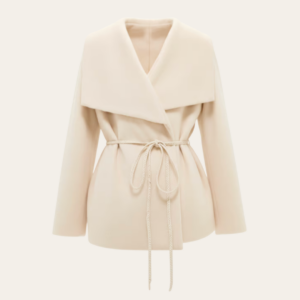
After checkout we wandered 12 South. Buttermilk Ranch for brunch: I loved the peach panzanella; the crew went for Wagyu steak & eggs and the BLT with thick-cut bacon. Shopped the strip—Sézane pop-up (Emma scored this jacket but in brown)), Reformation, Emerson Grace (my fave), and a few vintage flea pop-ups.
French Fix — Pastis
We also did Pastis for brunch. Family favorites: croque madame, escargot, and a Gruyère omelet. I’m obsessed with the interiors—very Paris-by-way-of-Nashville.
Hot Chicken, Hole-in-the-Wall Edition — Red’s
Took a friend’s rec for Red’s Hot Chicken: order at the window, then slide next door into Nashville’s oldest bar – Springwater Supper Club & Lounge to eat (they’re sister spots). Jukebox, darts, friendly staff—the good kind of gritty.
My Favorite Nashville Activity
Grab an iced latte and drive around dreamy houses. Neighborhoods to cruise: Green Hills, Belle Meade, 12 South. Go at golden hour for the porch-light glow.
Franklin
Stay — We checked into an Airbnb right in downtown Franklin, which made everything walkable. Despite the construction across the street- we loved this place! It was cute and well appointed for everyone. Kids loved it and especially loved the freedom it provided popping into town without needing a car.
Dinner Spots We Loved
Red Pony Restaurant — polished but relaxed. The lamb chops were unreal, the watermelon salad was summer in a bowl, and the pesto seafood pasta disappeared fast. We walked right in, but it’s a popular one.
Culaccino — cozy Italian wine bar/restaurant; great pizzas for sharing and a fun wine list for lingering conversation
Morning Ritual — Coffee & Pastries Hank’s became our morning stop. Best sellers for us: the ricotta toast with blackberry preserves and the pistachio croissant. Strong coffee, easy vibe—done.
Perennis a super cute bakery / brunch spot. Start with dessert and order one of their seasonal pastries (best decision ever) but the croissant breakfast sandwich and the avocado toast seemed to be a couple of hits!
Do — Franklin Trolley Tour
We highly recommend the Franklin Trolley Tour. It picks up at the Visitor Center every hour on the hour for a 45-minute loop through different neighborhoods. It’s not a sleepy ride—you get great stories about the Battle of Franklin and a feel for how the area has evolved (even since the ’80s!). The kids loved it.
Shop — Main Street Finds
Two favorites: The Iron Gate and White’s Mercantile—beautiful decor, lifestyle goods, bits of fashion, and gifts. We left with souvenirs and a couple of home finds; I’ll definitely be back when I have more time.
Tip: Franklin’s best explored on foot—plan a slow afternoon for Main Street, coffee in hand, and let the shops and side streets pull you in.
Columbia
Why We Spent Time Here We did a lot of house hunting in Columbia. Franklin is still our target for a quick Clouz Houz flip, but Columbia is where we’re exploring a home for us—in town and in the surrounding neighborhoods. Lots of potential; more on that soon in a separate post.
Eats to Bookmark
Mama Mila’s — small, family-owned, super casual BYOB pasta spot. The Augi pasta with their famous “crack” sauce (tomato + alfredo) was the table favorite, and the cheesy focaccia (a Thursday special)… was so so good. And despite the warning “no one serves good salad in the south”, we ordered a garden salad with the homemade pesto ranch and agreed it might be our favorite dressing ever!
Puckett’s — classic Southern comfort. Nashville hot chicken, pulled-pork mac & cheese, and we grabbed a half-gallon of the fruit sweet tea to take back to the Airbnb for cocktail mixing and sipping. Delish!
Prime and Pint — part butcher shop, part sit-down restaurant. The shrimp & grits were phenomenal—simple, classic, exactly what you want/need if you give this one a try.
Bradley Mountain— a coffee shop that doubles as a little cocktail lounge in the evening. Great outdoor patio and tons of memorabilia and small gifts!
Shopping Notes We popped into a great antique shop called Loblolly Interior Market Antiques for home finds, plus a handful of small boutiques that felt very us.
Leiper’s Fork
Eat
Late lunch at Fox & Locke—live music humming, classic BBQ, and that front-porch energy that makes you want to linger.
Shop
Favorite stop: Tennessee Turquoise, Morgane Stapleton’s turquoise shop tucked in a little log cabin behind the main drag. It’s tiny but packed, and they share the history behind the stones and tribe makers. I treated myself to a slim bangle for my stack—one of those small, special moments to mark on this trip. I was in heaven, to say the least … Across the way, Patina Home & Garden is a beautiful home boutique with curated goods and a few vintage clothing finds—collected, not crowded.
Sip
Leiper’s Fork does afternoon pick-me-ups right with coffee and food trucks sprinkled all around. We checked out the new mobile café Table of Contents for an afternoon iced oat milk latte with lavender, and boy did it hit the spot. On our list for next time: a local winery where you can sit right in the creek with your glass (bookmarking—will update once we go).
***
What’s Next
We covered a lot in a short window and came away with a clearer read on each town’s rhythm. Next up: organizing our full Tennessee hit list … with maps! Also, sharing more on the Columbia home search and our plan to find a Franklin flip for CH. If you’ve got recs we missed, drop them—we’re building our Middle Tennessee guide as we go.
Need a little more direction?
Are you struggling to define your style or figure out how to pull your space together? That’s exactly why we created our Clouz Houz Design Guides. They’ll help you design a space that feels cohesive, elevated, and personal … without hiring a designer.
Click here to explore the five curated styles. You’ll get inspiration boards, designer tips, and product links that make sourcing simple.
Not sure which one’s for you? Take our free quiz to discover which aesthetic best suits your space.
We’re here to help you move forward with confidence, and create a home that truly feels like yours.
P.S. Are you new to Clouz Houz? If you’d like to be in the know on all things home and lifestyle, subscribe now so you don’t miss a post! As a bonus, you’ll receive our exclusive 42-page ‘Paint Guide.’ This Guide will help you select the perfect shades for your home. And, you’ll also receive our weekly newsletter, including special finds that are not on the blog — they’re only for subscribers.
There’s something about European design, especially the quiet charm of an Italian villa, that feels both timeless and lived-in. When I think of Florence, I picture sunlight streaming through stone arches and worn terracotta floors underfoot. I see the kind of furniture that looks like it has been passed down for generations, yet still works beautifully in a modern home.
Photo: Pinterest
I’ve always been drawn to interiors that carry a sense of history. On my travels, I’ve tucked away small details like an antique brass sconce in a tucked-away trattoria, a faded landscape painting leaning casually against a wall, and the way linen curtains catch the breeze in an old villa.
And, while the Italian villa look may sound lofty, the beauty of it is how adaptable it really is. You don’t need to live in Florence to capture the essence of this style. A rustic wood table paired with slipcovered chairs, a neutral backdrop layered with natural textures, a touch of brass or pottery for patina … it’s about adding warmth and character in small, thoughtful ways.
Fresh for Fall
This design language transitions beautifully into fall as well. Its grounding tones, cozy textiles, and emphasis on collected living make it feel seasonally right without ever feeling forced or overly themed. It’s a style rooted in tradition, but still fresh enough to carry through every season.
Photo: Pinterest
What’s Ahead in This Guide
This guide is less about recreating a villa room for room, and more about weaving European sensibility into your home in a way that feels timeless, transitional, and uniquely yours. Ahead, I’ll break down the elements that bring this look to life: room boards, product finds, and the thoughtful details that make all the difference.
Dining Room
For the dining room, I always start with contrast: a dark oval trestle table paired with lighter wood dining chairs so the whole scene feels collected, rather than matchy. If you have the space, tuck a bench (like this one) on one side—it reads relaxed and magically makes room for “just one more.” Try a single large cone pendant hung low on a dimmer so the light pools over the tabletop. A mesh-front cabinet nearby keeps stacks of plates and linens visible (airier than solid doors and very villa). On the table, a hand-touched moment goes a long way: a handblown glass pitcher filled with olive branches, a few scalloped stoneware plates, and two weathered terracotta planters clustered down the center. If your room needs one soulful piece, make it an antique-style tufted armchair at the head—there’s nothing like a beautiful chair to slow down dessert.
Kitchen
Villa kitchens work because they’re honest. A honed stone worktop and apron-front sink do the heavy lifting, while the pretty things live in the open. I’d go for this iron table with hooks and let everyday tools become décor, like well-worn wooden spoons, a linen towel, a small copper sieve. Under the island, a woven market basket corrals produce on busy weeks and heads to the farmers market on slow ones. Lighting stays simple with a cream enamel pendant. And, if upper cabinetry feels tight, swap one run for a shallow plate rack. My favorite easy softness is a pleated sink skirt in ticking or floral. You can pair it with a matte brass kitchen faucet and a few enamel mugs stacked by the coffee corner on a slim wood kitchen island. Yes, it’s utilitarian, but there’s romance in the way everything is used and out in the open.
Primary Bedroom
This space should exhale. Against the structure of an iron canopy bed (or a carved wood headboard if you prefer warmth), keep everything around it quiet: ivory linen bedding, a thin quilt, and one tapestry-floral pillow for depth. Bedside lighting is simple and warm. Brass swing-arm sconces free up the nightstands, kept to a low, clean wood nightstand with petite hardware. Across from the bed, a slipcovered lounge chair becomes the reading spot; drape it with a patterned throw and set a pleated table lamp on the dresser for that soft evening glow. A black ceramic catchall bowl holds rings and lip balm, and a woven basket swallows extra quilts. This tiny shell trinket box is the bit of romance that makes the room feel personal. Hang one small vintage landscape slightly off-center above the bed — imperfection keeps the room from feeling decorated within an inch of its life.
Bathroom
In the bath, quiet luxury wins. A marble console sink with brass legs feels light on its feet and forever, while an exposed brass shower set with an arched head brings that classic silhouette you see throughout Italy. Walls love texture—limewash glows in candlelight—and I keep floors interesting but calm with patterned stone tile in a soft palette. Over the vanity, choose character over size: an arched wood mirror or faceted vintage-style mirror gives instant soul. Keep counters nearly bare: a single scalloped stone vessel for brushes, perhaps a small vase with seasonal stems. Add a favorite scent like a Le Labo Noir-29 body wash or a pretty diffuser. Hooks beat bars here—install brass knobs and treat yourself to embroidered white towels. One candlewall sconce near the tub is the “spa” moment … without the remodel.
What I Would Wear
A Florence-meets-fall capsule: inky black, creamy white, camel suede, and little hits of gold. It’s polished enough for a gallery afternoon, and relaxed enough for a long lunch. And, all of it mixes and matches so you can pack light.
On casual days, I’d switch to cuffed dark wide-leg jeans and a classicstriped knit. If I want it cleaner, I’ll swap the sweater for a sculptural white sleeveless blouse—it makes denim feel instantly intentional. Shoes do the mood-setting: the moccasins for wandering antique stalls; the slingbacks when I want to look pulled together without trying.
Tiny details finish everything: the oval sunglasses read vintage without feeling costume-y, and the suede clutch keeps evening looks minimal and chic. Maybe small gold hoops and a swipe of lipstick and call it done. The best part? Every piece is timeless on its own, but together they hit that effortless European vibe we all love.
***
If this Florence villa vibe is speaking to you, you’re going to love the rest of our location series. Keep wandering with us– Harbour Island, Santa Barbara, Charleston, and Venice Beach. Each guide is packed with room boards, shoppable pieces, and styling notes to make the look your own. Dive in, save your favorites, and tell me which city we should design next!
Would you like to refresh your home?
Are you struggling to define your style or figure out how to pull your space together? That’s exactly why we created our Clouz Houz Design Guides. They’ll help you design a space that feels cohesive, elevated, and personal — without hiring a designer.
Click here to explore the five curated styles, complete with inspiration boards, designer tips, and product links that make sourcing simple.
Not sure which one’s for you? Take our free quiz to discover which aesthetic best suits your space.
We’re here to help you move forward with confidence, and create a home that truly feels like yours.
P.S. If you’re new to Clouz Houz and want to be in the know on all things home, design and lifestyle, subscribe now so you never miss a post! As a bonus, you’ll receive our exclusive 42-page Paint Guide, which will help you select the perfect shades for your home. And, you’ll also receive our weekly newsletter, including special finds not on the blog that are only for subscribers. 🤍
This is our final week at the ranch before we pack up and head to Tennessee. I’ve been feeling all the emotions—excited for what’s next, but already nostalgic for the evenings we’ve spent here hosting friends and enjoying dinners by the fire pit. Those long, lingering nights made this house so much more than just a home.
One Last Supper
To close out our Supper at the Ranch series, we decided to host one last dinner party—a final hoorah to celebrate this chapter before we say goodbye. It felt right to gather around the table one more time with the people who’ve made this season so special.
A Transitional Mood
Since we’re moving into fall, I wanted the night to feel a little transitional—still fresh and light like summer, but with a hint of the cozy layers ahead. Think soft textures, a table that feels European and a little vintage, and a menu that nods to Italy in a simple, soulful way.
The Menu: A Taste of Italy
When we think of Italian food, we imagine simple ingredients layered together in a way that feels indulgent without being fussy. That was the exact energy I wanted for this dinner.
We started with fried stuffed olives (click HERE for the recipe). These little bites of crispy, briny goodness are somehow addictive enough to feel like a whole appetizer spread on their own. They’re unexpected but approachable; guests light up when they realize something so small can taste so decadent.
For the main course: my weeknight ragu recipe, a dish I always come back to because it’s hearty but simple. I served it over steamed zucchini ribbons mixed in with spaghetti noodles, but you could easily do fresh tagliatelle or bucatini for a more classic approach. The best part is how forgiving it is; it simmers away, filling the kitchen with the coziest aroma! It just smells like pure autumn.
And for dessert… the Amalfi Lemon cake. Honestly, it stole the show. Bright, citrusy, and just sweet enough, it felt like the perfect finale. It’s one of the best olive oil based cakes I’ve ever had!! Everyone had seconds, which I think is the best compliment a host can get.
The Drinks: Aperol at Sunset
No Italian-inspired evening feels complete without a spritz. So, instead of going traditional, I served an Aperol Sunset cocktail. It’s a fun twist that still carries that bitter-orange note we all love, but with a slightly moodier, fall-leaning vibe. Admittedly, I made them because they look gorgeous in a glass, but they also paired beautifully with the menu.
We carried them out to the firepit at the end of the night. There was something about sipping that bright, citrusy cocktail while watching the sun dip behind the mountains that felt like the perfect full-circle moment in this house.
The Table: Setting the Scene
For the table, I wanted that effortless, slightly European vibe—nothing too polished, but still intentional and layered. I pulled out a mix of curated dinnerware that felt a little vintage. These are the kind of pieces that look like they’ve been collected over time. There’s something about mismatched but harmonious dishes that makes the table feel alive!
To soften it, I layered in plenty of greens—eucalyptus, fluffy ferns, and even a few small daisies tucked between place settings. It didn’t feel overdone, just fresh and natural, like you might stumble across it in a small garden café in Italy. I’ve always believed florals don’t have to be complicated—sometimes the simplest mix of greenery is what sets the tone best.
The textures pulled everything together: my all time favorite linen tablecloths (from Amazon!), linen napkins, slightly weathered glassware, and candles scattered across the table to create that warm, flickering glow as the sun went down. It wasn’t fussy, and it wasn’t meant to be. It felt like us.
The Atmosphere: Bringing It All Together
For me, the atmosphere is always the thing people remember most. The food sets the tone, the table creates the mood, but it’s the little extras—the music, the lighting, the way the evening flows—that makes a dinner party feel like a memory.
We lit the firepit after dinner, letting the glow carry us from golden hour into the evening. Candles flickered on the table while the Aperol cocktails were still in hand, and the whole night felt easy and unhurried—exactly the way I always want hosting to feel.
Of course, no Italian-inspired dinner is complete without the right soundtrack. We created a Spotify playlist for the evening, filled with the kind of songs that instantly make you feel like you’re tucked away at a café in Rome or sipping wine along the Amalfi Coast. Think classics like Dean Martin and Frank Sinatra, mixed with modern artists and a little indie-folk to keep it fresh and not overly themed. It’s the kind of playlist that just hums in the background, adding to the energy without ever overpowering the conversation.
By the end of the night, I found myself just sitting back and soaking it all in … the food, the music, the laughter, the place we’ve called home for so long. It was the perfect last supper here at the ranch. And, it reminded me once again why gathering people around a table will always be one of my favorite things to do.
***
As we say goodbye to summer and our ranch meals, this dinner felt like the sweetest send-off. We’ll be in the middle of renovations soon, and (let’s be honest) not exactly cooking in the most aesthetic spaces. But, I still love to share this part of our lives with you. The Supper at the Ranch series will be back before long, in a new place, with new stories to tell. In the meantime—do you guys enjoy when we share recipes here? I’d love to know if this is something you want more of.
Need a little more direction?
Are you struggling to define your style or figure out how to pull your space together? That’s exactly why we created our Clouz Houz Design Guides. They’ll help you design a space that feels cohesive, elevated, and personal … without hiring a designer.
Click here to explore the five curated styles, complete with inspiration boards, designer tips, and product links that make sourcing simple.
Not sure which one’s for you? Take our free quiz to discover which aesthetic best suits your space.
We’re here to help you move forward with confidence, and create a home that truly feels like yours.
P.S. Are you new to Clouz Houz? If you’d like to be in the know on all things home and lifestyle, subscribe now so you don’t miss a post! As a bonus, you’ll receive our exclusive 42-page ‘Paint Guide.’ This Guide will help you select the perfect shades for your home. And, you’ll also receive our weekly newsletter, including special finds that are not on the blog — they’re only for subscribers.
Budgeting for a Flip: What People Always Forget to Include
September 9, 2025
If you missed last week’s post—Diamond in the Rough: What to Look for When Walking a Fixer—start there. It’s Part One of this renovation series, and covers exactly what we look for when we first walk a property: the quirks, the charm, the red flags, and the deal breakers. That post was all about learning how to spot the right investment in the first place.
This week, we’re diving into Part Two: budgeting once you’ve found that property.
Photo: Zee Wendell
I’ve learned the hard way (more than once!) that the fastest way to lose money on a flip is by not budgeting for the things you can’t see on day one. When you walk through a property for the first time, it’s easy to get caught up in the vision—the new kitchen, fresh paint, beautiful floors, and the idea of selling it all for a profit. But behind the walls and underneath the floors, there are line items waiting to sneak up on you.
I remember one of our early flips where we thought we’d been so careful. We set aside money for new cabinets, counters, even landscaping, but what we hadn’t planned for was adding an egress window to a basement room to be to code for a bedroom (a certain size window must be installed for a safe way to exit in case of an emergency to be considered a bedroom for resale) It was a gut punch and an expensive lesson in why a good budget is as much about what you don’t see as what you do.
This blog is for anyone who’s ever thought, “I’ve got a handle on the big stuff, I’ll just add a little buffer for the unexpected.” Because trust me, the “unexpected” is actually the most predictable part of a renovation. If you know what to look out for, you can set yourself up to flip smarter, not just prettier.
Here’s what we’re diving into:
The hidden costs most people forget (permits, inspections, and boring-but-necessary fees).
Where code requirements sneak in once you start demo.
The tiny finishing touches that add up (and why they matter for resale).
Designer-level insight into flooring, tile, and layouts that can save you money (and stress) later.
My personal rules of thumb for creating a budget that doesn’t get blown up mid-project.
I’ll share the practical side, but also some of the candid, behind-the-scenes truths we’ve learned as designers who also invest in and flip homes. My goal is that by the time you finish reading, you’ll not only know what to include in your budget, but you’ll also feel more confident walking into your next flip with eyes wide open.
Photo: Zee Wendell
The Hidden Costs Most People Forget
When people think about flipping, the first numbers that usually get written down are the obvious ones: new floors, paint, kitchen cabinets, bathroom tile. And sure, those matter. But the line items that blow up your budget are usually the ones you don’t notice until you’re knee-deep in the project.
Take permits and inspections. They’re not glamorous, they don’t show up in the Instagram-worthy “after” photos, but they’re unavoidable. On one project, we had to pay close to $3,000 just for city fees before we even lifted a hammer. It stings when you realize that money could’ve been a new light fixture or beautiful backsplash. But if you don’t plan for it, you’ll be cutting those things later just to make the numbers work.
Another one I see people underestimate is demo and disposal. Pulling out old carpet or cabinets feels easy enough, but what about hauling it away? Dump fees, labor, even just the sheer time it takes to get a property stripped down and ready adds up.
And then there’s temporary solutions. Things like a construction dumpster, porta-potty, even protecting floors you’re not replacing—none of this feels like “design,” but it’s the stuff that makes a jobsite function. If you don’t account for it, you’ll be nickel-and-dimed to death by the basics.
Here’s my rule of thumb: if it doesn’t show in your final design but it makes the project possible, budget for it anyway. Because those are the line items that sneak up and make the difference between a flip that stays on track and one that feels like it’s bleeding cash.
Where Code Requirements Sneak In
Here’s the thing about opening up walls: the second you do, you invite the inspector (and the city) into your project. And trust me, they always find something.
I’ll never forget a flip where we were adding onto the kitchen… because of the additional square footage we were required to bring the entire space up to code. The inspector required us to upgrade the electrical panel, add hardwired smoke detectors, and bring the outlets up to current code with GFCIs. That was thousands of dollars we hadn’t penciled in, and there’s no negotiating your way out of it once you’ve already started.
It’s the same with bathrooms. You might be dreaming about that walk-in shower with gorgeous tile, but the moment you touch plumbing, you may be required to install new venting, upgrade fans, or even add tempered glass. I’ve seen clients completely blindsided when their $10,000 bathroom budget jumped to $16,000 because of hidden code requirements.
And don’t even get me started on HVAC. Moving a wall or reworking a floor plan can trigger the need for ductwork changes, or even a resized system if the square footage you’re conditioning changes. That’s not something you want to discover mid-project when the contractor hands you an extra invoice.
Clouz Houz Tip: Always ask your contractor before demo: “What improvements will we be forced to do once this wall comes down?” Even if you don’t know all the technical terms, just asking the question helps you plan for those code-driven extras. My rule is to add at least 10–15% of your budget as a cushion for code updates alone.
Because here’s the truth: codes are there to make homes safer, but they can also make your budget spiral. Planning for them upfront gives you the breathing room to still invest in the design details that actually sell the home.
Photo: Zee Wendell
The Tiny Finishing Touches That Add Up
When you’re staring at a renovation budget, it’s easy to focus on the big-ticket items like cabinets, countertops, appliances, flooring. But here’s the truth: the small finishing touches are what make a home feel complete.
I’ll give you an example. On one project, we were so focused on the big stuff that we completely forgot to budget for mirrors, towel bars, and closet systems. By the time we got to the end, we had to run out and buy them retail, and those “little extras” added up to over a thousand dollars. It’s the unglamorous reality of flipping and you need to account for everything from door stops and vent covers to light switch plates and dimmers.
Another sneaky one? Shower glass. It’s never included in your tile or plumbing budget because it has to be measured and custom-ordered after the tile is installed by a glass fabricator. The same goes for hardware. Knobs, pulls, hinges, door levers—when you multiply them across a whole house, the price tag is much higher than people expect. Some cabinetmakers include hardware and installation into their bids, but some don’t, so pay attention to the fine print in their contracts!
I’ve also learned to never underestimate the cost of returns, shipping, and reorders. Something arrives damaged, or you realize you need one more box of tile, and suddenly you’re paying rush shipping fees or restocking charges.
My rule of thumb is this: take whatever your “finishing touches” number is and pad it by 20–25%. Because when the project is wrapping up and the house is almost ready, the last thing you want to do is cut corners on the details that actually help a house feel market-ready. Buyers may not notice a brand name on your faucet, but they will notice if you skipped closet rods or installed the cheapest mirror you could find.
The polish sells the home. And the polish costs more than you think.
Photo: Zee Wendell
Designer-Level Insights on Materials
Here’s where the “pretty” part of a flip meets the practical. As a designer, I’ve learned that not all materials are created equal, especially when you’re trying to balance budget, resale, and longevity.
Let’s start with floors. Flooring trends come and go. A decade ago, everyone wanted espresso-dark planks. Then it was all about gray-washed looks, and more recently, super pale blond woods have been everywhere. But here’s the thing: trends age fast. If you’re flipping, your safest bet is always something timeless—like a natural oak floor. It has warmth, depth, and a look that works in almost any style of home. It’s also forgiving, which matters when your future buyer might have kids, pets, or just a busy life. We’ve used natural oak countless times, and clients always come back saying it was the best decision.
Tile is another one where people get tripped up (no pun intended). It’s tempting to cut corners with cheaper options, but not all tile is equal. For example, handmade or stone tile usually requires extra overage because of natural variation. You can’t just buy the exact square footage! And, layout matters. Account for cuts, patterns, and avoiding those awkward “sliver” tiles at the edges, or you’ll wind up scrambling. And, you’ll spend more during install. My rule of thumb: order 10% extra for standard tile and 15%+ for natural stone or handmade tile.
And then there are the small but mighty details, like lighting and hardware. This is where I encourage people to spend a little more strategically. A great light fixture in an entryway, or solid-feeling door hardware, immediately communicates quality—even if the rest of the finishes are budget-friendly. Buyers pick up on those emotional cues, often without realizing it.
One of the biggest mistakes I see is people blowing the budget on big-ticket “wow” items in the wrong places. A waterfall island looks amazing, sure, but if the bathrooms feel unfinished because you skimped on mirrors and sconces, the whole house feels off. A designer trick is to splurge in the smallest spaces with the biggest impact—like a statement powder room or an entry light—and save in the areas where buyers mostly see surface area, like secondary bedrooms or closets.
Flips are really about balance. Pick materials that feel honest, warm, and versatile. Layer in a few smart splurges. And always, always plan for the overage. It’s not wasted money—it’s insurance against mistakes, shipping delays, and last-minute headaches.
Photo: Zee Wendell
My Rules of Thumb for a Realistic Flip Budget
After years of designing and flipping, I’ve learned that no two projects are ever the same. However, the way budgets fall apart is almost always predictable. Here are the guidelines I stick to no matter what:
Always over-budget for the unexpected. If you think your project will cost $100,000, add 15–20% for contingency. Older homes? Make it 25%. Something always comes up—electrical, plumbing, mold, you name it. I’ve never regretted padding the budget, but I’ve definitely regretted not padding enough.
Balance the “show” and the “skeleton.” Buyers fall in love with pretty kitchens and baths, but inspectors fall in love with updated wiring and solid plumbing. If you blow all your money on finishes and ignore the guts of the house, it will come back to bite you. A good flip budget respects both.
Spend where it’s emotional. People buy homes based on how they feel. That’s why I splurge on things like a gorgeous entry light fixture, natural oak floors, or a powder room with character. These are the spots that make buyers say, “This is the one.” Save on less emotional areas like closets, utility rooms, or spare bedrooms.
Don’t forget the “boring” costs. > Permits, dumpster rentals, storage, shipping fees, staging, photography… they don’t make it into the glossy reveal photos, but they’re part of the game. Plan for them early so you’re not draining your design budget at the end.
Build in your exit costs. This one trips people up all the time. Realtor commissions, closing costs, even small buyer credits can eat into your profit if you don’t budget for them upfront. I always set aside a percentage for the selling side before we even start.
At the end of the day, a flip isn’t about cutting corners—it’s about knowing where to put your money so it works hardest for you. If you can master the art of budgeting for both the obvious and the hidden, you’ll avoid those mid-project panic moments. You’ll also create a finished product that feels thoughtful, balanced, and irresistible to buyers.
***
If Part 1 was all about finding the right property, this post is about protecting your bottom line once you buy it. The truth is, a flip is only as successful as the budget behind it. Plan for the hidden costs, spend where it matters, and give yourself breathing room. This way you’ll set yourself up to actually enjoy the process (and the profit).
And, if you still need more guidance, check out our services here. Fill out our inquiry form, and we’ll schedule a “discovery call” to go over your project needs. Of course, we’ll also talk through how we can best help you design your investment.
Need a little more direction?
Are you struggling to define your style or figure out how to pull your space together? That’s exactly why we created our Clouz Houz Design Guides. They’ll help you design a space that feels cohesive, elevated, and personal … without hiring a designer.
Click here to explore the five curated styles. You’ll get inspiration boards, designer tips, and product links that make sourcing simple.
Not sure which one’s for you? Take our free quiz to discover which aesthetic best suits your space.
We’re here to help you move forward with confidence, and create a home that truly feels like yours.
P.S. Are you new to Clouz Houz? If you’d like to be in the know on all things home and lifestyle, subscribe now so you don’t miss a post! As a bonus, you’ll receive our exclusive 42-page ‘Paint Guide.’ This guide will help you select the perfect shades for your home. And, you’ll also receive our weekly newsletter, including special finds that are not on the blog — they’re only for subscribers.
September has always felt like a reset for me, and it’s my birthday month so it holds a special spot. The light shifts, the late setting of the sun begins, and I find myself craving pieces that feel layered, cozy and timeless. But, this year feels especially transformative. If you missed our announcement, we’re packing up life in Oregon, and making the leap to Tennessee.
It’s bittersweet to leave the place we’ve called home our entire lives, but there’s something about this next chapter that feels right. Change has a way of inspiring creativity, and I’ve been soaking up every ounce of that energy as we prepare for the move.
Photo: Zee Wendell
Inspired by Southern Charm
We’ve always loved the charm and soul of traditional Southern homes—the wraparound porches, storied details, and the way everything feels warm, layered, and inviting. Tennessee feels like a chance to immerse ourselves in a lifestyle we’ve long admired: rolling hills, slower living, and a sense of community that grounds you instantly.
That influence shows up everywhere in this month’s edit. Think rugged Ralph Lauren energy with a refined, collected sensibility—mixing textures, patinas, and tones in a way that feels intentional but effortless. It’s less about chasing trends and more about creating a home that feels lived-in and deeply personal.
This edit captures exactly where my head (and heart) are right now. I’m leaning into:
Rich, tactile textures paired with minimal silhouettes
Neutral, earthy tones layered with unexpected pops
Collected details that feel storied rather than staged
Every piece in this roundup nods to the little luxuries of fall and the comforting, soulful touches that make a home feel alive. It’s part inspiration, part prediction—the things I want to see more of, the pieces I’m gravitating toward, and the small design shifts inspiring me as we step into this new chapter.
If there’s one thing this season has taught me, it’s that home isn’t just where you live—it’s how you live. And this September, I’m craving spaces that feel intentional, layered, and alive. This edit is my way of bottling that energy and bringing you along as we set the tone for the months ahead.
Color of the Month: Chartreuse Soleil
This month I’m leaning into something a little brighter and more unexpected—Chartreuse Soleil. It’s that olive-meets-yellow hue that feels like the golden light at the tail end of summer while nodding to the crispness of fall ahead. Fresh but grounded, it brings an instant vibrancy that still feels timeless when layered thoughtfully. I love it on smaller accents—like a velvet pillow, a ceramic vase, or even upholstery—where it can really pop. But it’s just as striking on walls or cabinetry if you’re craving a bolder design move.
What makes Chartreuse Soleil so versatile is the way it pairs with other tones. I’m especially drawn to it alongside warm neutrals, deep charcoals, and soft blues. It also plays beautifully with natural textures like aged brass, walnut, and stone. There’s something about the way it balances energy with elegance—it feels both daring and easy to live with.
Photo: Pinterest
What I’m Wearing
September always inspires a little wardrobe refresh, and this season I’m leaning into pieces that feel both timeless and a little playful. I’ve been eyeing this thin gold knot necklace — it’s delicate but sculptural, the kind of piece that instantly elevates a simple sweater or tee. Paired with leopard print slingback heels, it brings just the right dose of boldness to a classic outfit. And because I’m all about mixing polished with casual, this burgundy corduroy cap that feels perfectly lived-in. It’s those little contrasts that keep getting dressed fun this time of year.
What I’m Using to Style My Home
Cozy Layers & Textures
The shift in seasons always has me craving a more layered, tactile home. A rust velvet armchair feels like the definition of fall — warm, plush, and grounding in any corner. To balance it, I’m drawn to smaller soft accents like this floral bolster pillow, which has just the right vintage sensibility, and a gingham fringe tablecloth that instantly makes a dining setup feel charming and collected.
Photo: Pinterest
Metals & Details
I’m also paying attention to the little metallic touches that catch the light as days get shorter. An antique brass lamp brings a cozy glow in the evenings, while a brass toggle switch plate feels like one of those understated details that makes a room feel finished. I’ve also been smitten with the silver stamped matchbox — it’s functional, but also feels like a tiny piece of art left out on the table. And in the kitchen, I’m eyeing these copper measuring spoons that are so pretty you almost want to display them.
Sculptural & Statement Pieces
When it comes to bigger moments, I’m all about pieces that double as art. The onyx sink has this beautiful, organic presence that feels almost sculptural, while the silver flower wall sconce is playful yet refined — it feels like jewelry for the home. The oval tray with its lattice pattern has that same effect, pulling together surfaces in an unexpected way. And of course, the abstract wall art ties it all back to the collected, layered mood that I can’t get enough of right now.
Natural & Collected Finds
I always love grounding a space with materials that feel a little imperfect and earthy. The wood and leather bench is one of those pieces that can live anywhere — entry, end of the bed, under a window — and only gets better with age. I’m also drawn to the rattan wall rack, especially styled with everyday totes or market bags hanging from it. And for a pop of fun, the yellow scalloped decorative bowl feels like such a happy accent, a little wink of color that balances all the deeper tones happening elsewhere.
Photo: Pinterest
Lifestyle Little Luxuries
It wouldn’t be a seasonal edit without a nod to the smaller indulgences that make daily life feel intentional. I’ll forever have Santal 33 in my collection but have been hearing tons about Another 13 by Le Labo — it’s moody, clean, and somehow fits every season. This fall, everyone should be carrying a suede fringe bag, which perfectly straddles that line between bohemian and polished. And for those everyday touch-ups, I love the chicness of a pearlized pocket mirror tucked into my bag. They’re small details, but they set the tone for how you move through the season.
***
As September settles in, I can feel the shift happening all around me—the air a little crisper in the mornings, the light softer and golden, the days already carrying that gentle pull toward fall. This month feels layered with meaning: a reset, a fresh season, and for us, the beginning of an entirely new chapter as we prepare for our move to Tennessee. It’s equal parts exciting and bittersweet, but I keep coming back to the idea that change always brings creativity with it.
September has a way of inviting us to slow down, to linger a little longer in cozy corners, to embrace textures and tones that feel rich and grounding. That’s the energy behind this edit—pieces that capture the warmth of fall, the charm of Southern living, and the timeless comfort of a home that feels truly lived in.
As we look ahead, I can’t wait to share more about our journey to Franklin, the inspiration we’re gathering, and the projects already beginning to take shape. For now, I’m leaning fully into the season—celebrating the little luxuries, surrounding myself with soulful details, and letting this September be the bridge between what’s been and what’s to come.
Need a little more direction?
Are you struggling to define your style or figure out how to pull your space together? That’s exactly why we created our Clouz Houz Design Guides. They’ll help you design a space that feels cohesive, elevated, and personal … without hiring a designer.
Click here to explore the five curated styles, complete with inspiration boards, designer tips, and product links that make sourcing simple.
Not sure which one’s for you? Take our free quiz to discover which aesthetic best suits your space.
We’re here to help you move forward with confidence, and create a home that truly feels like yours.
P.S. Are you new to Clouz Houz? If you’d like to be in the know on all things home and lifestyle, subscribe now so you don’t miss a post! As a bonus, you’ll receive our exclusive 42-page ‘Paint Guide,’ which will help you select the perfect shades for your home. And, you’ll also receive our weekly newsletter, including special finds that are not on the blog — they’re only for subscribers.
Why We Chose Franklin, Tennessee for Our Next Investment
September 2, 2025
A Big Announcement: Our Next Chapter
If you missed it, we recently shared some big news: after living in Bend, Oregon these past eight years, we’re officially making the move to Tennessee. It feels surreal to even write that. Oregon has been home in every sense of the word for our entire lives. It’s where both Derrick and I grew up, started a family, built our business, and poured love into projects like the Tumalo Ranch. But sometimes, growth means taking risks, and this next step feels like the leap we’ve been craving.
A Move Driven by Both Business and Heart
This move is so much more than a change of scenery… it’s a strategic and personal decision rolled into one. For Clouz Houz, Tennessee opens doors Bend simply can’t right now. The real estate market in Bend has become tricky for flipping and investing, and we’ve been itching to take on new kinds of projects that challenge us creatively. Franklin and the middle Tennessee area, with its mix of historic charm, vibrant neighborhoods, and investment-friendly market, feels like the perfect place to stretch ourselves.
Photo: Pinterest
Dreaming in Southern Charm
On a personal level, I’ve always been endlessly inspired by Southern architecture and design—the personality-packed porches, timeless moldings, and warm, layered spaces.
It’s funny, I attended a workshop with Boxwood Avenue and Chateau Sonoma a couple years ago and it was so inspiring! (If you are creative and looking to build a life you dream of I would highly recommend attending — they are hosting another one this October.) It was all about dreaming of the life and business you want to create. I remember one question during a break out session: “It’s simple … if you could build your life and business anywhere where would it be?” It really stopped me in my tracks to think about it that way! What was stopping us from living out our dreams. And, especially at this point in our lives, I realized it was now or never. If we don’t try, how will we know??
Instead of telling yourself “what if this isn’t what we imagined?” Instead, ask yourself “what if this is better than we ever could have imagined?”
I can already feel the wheels turning for future projects. I’ve been pinning ideas like crazy, and daydreaming about breathing new life into a traditional Southern home while weaving in a fresh, modern perspective. I feel like this is so authentically us and I can’t wait to share what we have in mind!
A New Season of Life
Beyond the business, this move is deeply tied to where we are in life right now. With our middle just graduated from college, Derrick and I are stepping into this “empty nester” chapter with open arms. We wanted something different … a slower pace, rolling hills, but yet a spot where community is like what we are used to here in Bend. Middle Tennessee feels close to our roots while also offering us something entirely new to experience.
Photo: Pinterest
How We Narrowed It Down: Columbia vs. Franklin
When we first started looking at Tennessee, we were really torn between Columbia and Franklin. On paper, they both checked a lot of boxes, but in different ways.
Columbia has a quieter, more laid-back vibe. It feels slower and a little more tucked away. Honestly, it’s not really on the map like Franklin. The homes there are generally more affordable, which can make it attractive if you’re looking for larger properties or want more space for your budget. But, with that comes a slightly slower market—houses don’t always move as quickly, which can make flipping and reselling a little less predictable.
Franklin, on the other hand, feels like it’s becoming the new hotspot. It’s still charming and full of Southern character, but there’s more energy—new restaurants, younger crowds, a bit of a “hipster” edge, and neighborhoods that are really starting to buzz. The market there is more competitive, which usually means higher purchase prices, but it also tends to make reselling after a renovation quicker and easier. From an investment standpoint, that turnover potential was a big factor for us.
In the end, we had to weigh lifestyle, investment potential, and the type of projects we want to take on next. Both towns have their own unique charm, but Franklin’s momentum lined up better with where we see Clouz Houz heading for investment project. However, Columbia or nearby could become home for us since we could invest in that home on a longer term (and not move every two/three years).
Photo: Pinterest
What’s Next for Clouz Houz
We have much to share with you in the coming weeks. This move to Tennessee isn’t just a change of scenery — it’s the start of a whole new chapter for us, and we want to take you along for every step of the ride.
We’ll be pulling back the curtain on everything: YouTube videos documenting the process, tips for spotting and evaluating investment properties, and honest conversations about the good, the bad, and the downright messy sides of this designer & renovator lifestyle. Whether it’s unexpected challenges or the creative highs of turning an overlooked property into something beautiful, we want to show it all. We know a lot of you think of doing something like this — buying, renovating, investing — but might not know where to start. That’s where we come in. Our goal is to be your resource, sharing the knowledge we’ve built over the years so you feel empowered to take on your own projects.
And, let’s not forget all the fun we have in store to show some really beautiful client projects in the works. We will continue to take you along for those transformations too. We know how much you love seeing them and we love sharing it all.
This next phase is equal parts exciting and terrifying, but we know it’s going to shape the future of Clouz Houz in ways we can’t even imagine yet. We’re ready — and we’re so grateful you’re here to follow along 🤍
Need a little more direction?
Are you struggling to define your style or figure out how to pull your space together? That’s exactly why we created our Clouz Houz Design Guides. They’ll help you design a space that feels cohesive, elevated, and personal … without hiring a designer.
Click here to explore the five curated styles, complete with inspiration boards, designer tips, and product links that make sourcing simple.
Not sure which one’s for you? Take our free quiz to discover which aesthetic best suits your space.
We’re here to help you move forward with confidence, and create a home that truly feels like yours.
P.S. Are you new to Clouz Houz? If you’d like to be in the know on all things home and lifestyle, subscribe now so you don’t miss a post! As a bonus, you’ll receive our exclusive 42-page ‘Paint Guide,’ which will help you select the perfect shades for your home. And, you’ll also receive our weekly newsletter, including special finds that are not on the blog — they’re only for subscribers.
Diamond in the Rough: – What to Look for When Walking a Fixer
August 28, 2025
Storytime …
When we first walked the Tumalo Ranch property, we didn’t plan on making it our home. The original intention was to flip it as part of our design business. We would have gone through our typical 6-12 month process of refining, refreshing, and bringing a space back to life. But, as we moved through the early phases, something shifted. We started to see it not just for what it could become, but for how much it needed someone to care for it properly. The layout needed reworking. The scale didn’t feel livable for a growing family. The land had potential, but it was raw. So, we pivoted.
What was supposed to be a business flip turned into our personal project, a place we chose to pour a few years (and a lot of ourselves) into. That decision completely reshaped how we now approach any fixer.
Photo: Kayla McKenzie
This renovation looked very different than a typical Clouz Houz flip. Most of our business projects are fast-moving and highly strategic. We’re working on tighter timelines and budgets, making mostly cosmetic changes that dramatically shift the look and feel of a space without major structural work. With Tumalo, we had the freedom to move slowly, thoughtfully, and prioritize design choices that made sense for our lifestyle — not just resale. We added square footage, upgraded mechanical systems, and made decisions based on long-term comfort, not just quick ROI. It was a whole different lens, and one that taught us a lot.
Now that the Tumalo home has officially sold (you can view the project here), we’re back to walking properties again. This time with fresh eyes and a long list of lessons learned.
Why This Guide Matters
Not every home is worth the time, effort, or money. But, there are properties that check enough of the right boxes to make the investment worth it (and not just financially). Whether you’re hoping to flip a house for profit, renovate your dream home over time, or just don’t know where to begin when touring homes that need “a little love,” this post is your starting point.
This is Part One of our renovation series. We’re peeling back the curtain on what we really look for when we walk a home. From layout quirks to construction red flags, neighborhood values to hidden charm … you’ll finish this post with a high-level, real-world framework you can use to evaluate any fixer-upper.
I’ve moved more times than I can count, and have spent the last 15+ years walking, renovating, living in, and flipping homes. I’ve made the mistakes … taken the risks. And now I know what’s worth jumping in for and what’s not. Hold on, this is going to be a detailed post so you know you can come back to all of this information whenever you’re ready to start your own home journey!
Let’s get into it.
What to Look for When Walking a Fixer
Part One: The Practical & Financial Framework
1. Start with the Bones: Structure, Systems, and Layout
Before you fall in love with the charm or potential, focus on what you can’t easily change. The big-ticket items that make or break a flip (or long-term reno) are often invisible to the untrained eye.
The Checklist
Foundation and framing: Look for signs of settling, cracks, sloping floors, or water intrusion. These are expensive to fix.
Roof age and material: Ask when it was last replaced. Roofs are a massive cost that can eat into margins fast.
Plumbing and electrical: Outdated systems (like knob and tube wiring, or galvanized plumbing) may need a full overhaul to meet code.
HVAC and insulation: If the home isn’t holding temperature well or the units are decades old, plan to budget accordingly.
Windows and exterior doors: Are they drafty, broken, or inefficient? Upgrading them adds comfort and resale value.
Clouz Houz Tip: Most people get overwhelmed by cosmetic ugliness, but what you can’t see (or fix easily) should matter way more.
2. Layout, Flow, and Expandability
You can move walls, but you want to do it intentionally. Pay attention to how the house lives.
Key things to assess (and why I know where to look)
There’s a difference between walking into a problem-heavy (i.e. very costly) house and walking into a diamond in the rough—you just have to know how to spot the difference. And, that’s something I’ve learned firsthand. After living in, moving out of, and renovating more homes than I can count, I’ve developed an eye for what actually matters—and what’s just surface-level distraction.
One of the first things to look for is natural light. Not just where it exists, but where it’s lacking—and whether there’s potential to open things up. Light can completely transform a home, and I’ve seen this play out in our own projects time and again. Same goes for ceiling height. Even in a low-ceiling space, I ask myself: can we vault it? Is there a dropped soffit we can remove? The feeling of volume often matters more than square footage.
From a layout perspective, I always think about bedroom and bathroom count and where we can carve out more function—whether that’s through reconfiguring closets, converting a hallway, or adding a flex space. The kitchen is another big one. It doesn’t just need to be pretty—it needs to be in the right place. Does it connect to the living space? Can it become the true heart of the home?
What I’ve learned over time is that flow is fixable. A poorly laid-out house doesn’t always need a full gut renovation. Sometimes, moving a single doorway or removing a non-structural wall unlocks the entire plan. But you have to know where to look—and that instinct comes from doing it over and over again. At this point, I can walk into a house and mentally rearrange it before we even make it to the back door. It’s taken years of experience (and mistakes) to get there, but it’s what makes this process so exciting.
3. Know Your Numbers: Financial Feasibility
This part is less romantic, but it’s what determines whether the fixer is worth it.
Start with a rough formula:
After Repair Value (ARV): Estimate resale value after renovations based on comps.
Subtract desired profit margin (typically 10–20%)
Subtract estimated renovation costs
Subtract holding costs (mortgage, utilities, taxes while under construction)
What’s left is your ideal purchase price.
Don’t forget:
Permit fees, architect/engineer costs, and surprises always happen.
Cosmetic flips are usually budgeted per square foot. Full guts? You’ll need contingency funds—often 10–15% of total reno budget.
Part Two: The Aesthetic Lens – Seeing Design Potential
4. Character Features to Preserve
Some old houses have charm that’s irreplaceable. Others are blank slates. Spotting the difference matters. These are the soul of the home. Sometimes one single architectural detail is what gives a fixer its “wow” moment once finished. For instance, our ceilings at the Tumalo Ranch were a value add in the sense they added interest to the space. So, we used it to our benefit and sand-blasted it then stained for an entire new look, but still full of character.
Things worth saving or highlighting:
Original hardwoods that can be refinished
Solid wood built-ins or paneling (often just needs paint or restoration)
Plaster walls or archways
Brick fireplaces or stone surrounds
Millwork or trim that adds story
5. Surfaces & Materials You Can Easily Swap
A fixer isn’t scary if the issues are mostly finish-related:
Old tile? Replaceable.
Outdated cabinets? Paint or reface.
Ugly countertops? New stone makes everything feel fresh.
Bad lighting? Swapping fixtures has a huge impact for relatively little money.
Dated wall colors? An easy fix that transforms a space.
Focus on finding a home with good volume and bad taste. Those are the best-case scenarios.
Photo: Zee Wendell
6. Curb Appeal & Landscaping Potential
Don’t let an overgrown yard, peeling paint, or outdated exterior be the reason you walk away. These elements are often some of the easiest (and most impactful) areas to improve. A home with solid bones and untapped landscaping potential can be a major equity builder with the right updates. Look beyond the surface for things like symmetry in the architecture (even if it’s hidden by shrubs or covered in old paint), or opportunities to refresh the exterior through painting or lime washing brick. A good lot size, natural backyard flow, and space for outdoor living (like a patio, dining area, or fire pit) are all worth noting. Also, consider the placement of the fence and what kind of privacy you could create with minimal effort.
Clouz Houz Tip: Double check if the neighborhood has HOA guidelines and parameters you must follow with considering potential upgrades to the exterior! Often times there are fence height restrictions, etc.
7. Neighborhood & Long-Term Value
Even the best reno can’t fix a bad location. Research matters. Buy the worst house in the right neighborhood, not the other way around. That’s how you protect your investment.
Do your homework!
What are the neighborhood comps selling for post-reno?
Are there signs of growth (new businesses, restaurants, city investment)?
What’s the school district rating? Crime rates?
Are there other homes being renovated on the block?
8. Scope Red Flags
This is where it can go wrong … fast.
Warning signs to be cautious of:
One of the biggest is evidence of mold, termites, or major water damage. These issues are often hidden beneath the surface and can quickly turn into costly repairs if not properly remediated. It’s important to bring in a trusted inspector early if you suspect anything.
Foundation or structural issues that haven’t been professionally assessed are another big concern. Hairline cracks can be normal in older homes, but significant settling or signs of movement, especially if there are uneven floors or sticking doors, may point to larger problems that impact safety and resale value.
Be cautious of homes with additions or remodels that were done without permits. While it might not seem like a big deal at first, unpermitted work can cause headaches during inspections, appraisals, and resale. Plus, there’s no guarantee it was done up to code.
And these too …
Also take note if the home has been sitting on the market for an unusually long time. It could be overpriced or have hidden issues that have scared off other buyers. Either way, it’s worth asking questions and understanding the full story before moving forward.
Finally, beware of sellers who won’t allow inspections or are unwilling to provide full disclosures. Transparency is key when buying a fixer, and if someone is dodging questions or withholding information, it’s usually a sign that something isn’t right. Always trust your gut, and don’t be afraid to walk away if it doesn’t feel right.
Photo: Zee Wendell
Now, as we begin searching for our next renovation, I’m excited to take you along for the ride. I thought it might be valuable (and honestly kind of fun) to walk you through the real-life scenarios. The wins, the compromises, the homes that almost check the boxes but fall short, and the ugly moments where you realize a place just won’t work, no matter how much potential you try to see in it. But make sure you’re following us on Instagram too because we are always sharing a bit more of the fun!
This is going to be a journey and I want it to feel like a story we’re telling together. Soon, we’ll be sharing more about what’s next for us: the neighborhoods we’re looking at, the towns we’re considering, and why. This blog post is just the beginning, and I hope it gives you a solid foundation if you’re dreaming of taking on a fixer of your own.
If nothing else, I want you to walk away from this knowing that you don’t have to be a pro to spot potential. You just need a clear head, an open mind, and the willingness to look past what is and to imagine what could be.
Need a little more direction?
Are you struggling to define your style or figure out how to pull your space together? That’s exactly why we created our Clouz Houz Design Guides. They’ll help you design a space that feels cohesive, elevated, and personal … without hiring a designer.
Click here to explore the five curated styles, complete with inspiration boards, designer tips, and product links that make sourcing simple.
Not sure which one’s for you? Take our free quiz to discover which aesthetic best suits your space.
We’re here to help you move forward with confidence, and create a home that truly feels like yours.
P.S. Are you new to Clouz Houz? If you’d like to be in the know on all things home and lifestyle, subscribe now so you don’t miss a post! As a bonus, you’ll receive our exclusive 42-page ‘Paint Guide,’ which will help you select the perfect shades for your home. And, you’ll also receive our weekly newsletter, including special finds that are not on the blog — they’re only for subscribers.
You may have heard about Jam Girl Summer, that romanticized version of cottagecore where we all imagined ourselves barefoot in the garden with a bowl of peaches and a gingham apron. But if you ask me, the jam girl mindset only gets better in autumn.
Photo: Pinterest
There’s something about this moment between seasons that makes the aesthetic feel even more meaningful. Jam Girl Autumn is less about aesthetic perfection and more about a slower, softer way of living… One rooted in comfort, ritual, and nostalgia. It’s the kind of vibe that makes you want to host a dinner party just to use the red checkered napkins you found at a vintage shop, or throw on a berry-colored sweater just because it makes you feel good. It’s homestead energy, but with a little more mood.
I keep coming back to the colors—deep berry tones, burgundy, faded red, mauve, dusty plum. These aren’t just fall tones, they’re jammy ones. And they work everywhere—your wardrobe, your tablescape, your bedding, even your recipe rotation. Think blue and red check linens, floral quilts, mismatched mugs for morning coffee. It’s not about buying a bunch of new stuff, it’s about reimagining what you already have, through the lens of something more intentional and cozy.
Photo: Pinterest
So What Does Jam Girl Autumn Actually Look Like?
Here are a few places I’m seeing it show up—and how I’m leaning into it in my own way. This isn’t just an interiors trend, it’s a mood you can infuse into everyday life.
You’ll start to see this through layered patterns—ginghams, florals, vintage reds and blues. It’s those tabletop moments that feel collected and old-world without trying too hard. Try pulling out your grandma’s linens or styling jam jars on your shelf just for fun. I’ve even been loving the idea of using jam jars for everything lately—cocktails, little vases, homemade sauces. The vibe is a little rustic, a little charming, and very much about embracing the everyday.
In the Closet
I’m reaching for cozy knits, deep reds, and anything that feels like it belongs on a fall farm day (even if you’re just going to Trader Joe’s). Gingham, stripes, muted florals, a pop of berry lipstick—Jam Girl Autumn style is easygoing, warm, and perfectly unfussy. Like you just threw it on and went out to pick apples.
Photo: Pinterest
In the Kitchen
This is where it really comes alive. Baking something seasonal, sipping tea in the afternoon, pulling out your favorite mug again… even just lighting a fig or blackberry-scented candle while you eat a grilled cheese. I’ve been saving old jam jars to reuse for overnight oats and iced coffee—they look cute on the counter and make morning feel a little more special.
In How We Host
Picture this: gingham tablecloths, berry desserts, candlelight, cozy playlists, and maybe even a “jammy” dress code for a dinner party. I love the idea of asking guests to wear berry hues and giving a special jam to the winner of “best jam girl look.” I’m planning one last farmers market trip before the season ends to stock up on my favorites—and maybe host a little jam-themed get-together with mulled wine and berry cobbler (in between packing moving boxes- it just sounds ridiculous I know, but it makes me happy to plan gatherings)
Photo: Pinterest
Ready to Lean In?
We’re pulling together a roundup of beautiful pieces that capture this mood—textiles, hosting ideas, recipes, fashion finds, and more. Whether you want to go all in or just try one little detail, there’s no wrong way to embrace the season.
Because Jam Girl Autumn isn’t about following a trend. It’s about slowing down, savoring the moment, and bringing a little extra intention to how you live, dress, decorate, and gather this fall. Who’s with me??
XO
Allison
Need a little more direction?
Are you struggling to define your style or figure out how to pull your space together? That’s exactly why we created our Clouz Houz Design Guides. They’ll help you design a space that feels cohesive, elevated, and personal … without hiring a designer.
Click here to explore the five curated styles, complete with inspiration boards, designer tips, and product links that make sourcing simple.
Not sure which one’s for you? Take our free quiz to discover which aesthetic best suits your space.
We’re here to help you move forward with confidence, and create a home that truly feels like yours.
P.S. Are you new to Clouz Houz? If you’d like to be in the know on all things home and lifestyle, subscribe now so you don’t miss a post! As a bonus, you’ll receive our exclusive 42-page ‘Paint Guide,’ which will help you select the perfect shades for your home. And, you’ll also receive our weekly newsletter, including special finds that are not on the blog — they’re only for subscribers.
A designer’s honest take on what’s worth the splurge and what isn’t.
When you’re designing a home, whether it’s from the ground up or just refreshing a room, it’s easy to get overwhelmed with decisions. Every detail, from light switches to sofas, suddenly feels like a huge financial choice. And while I fully believe in investing in your space, I also believe in spending wisely.
Photo: Zee Wendell
Over the years, I’ve seen where splurges pay off, and where you can absolutely scale back without losing beauty or functionality. Below, I’m sharing my tried-and-true framework for where to spend and where to save, with honest tips, personal notes, and issues people often overlook.
This isn’t a one-size-fits-all list … it’s a designer’s cheat sheet to help you make smarter choices with confidence.
PAINTING
Photo: Kayla McKenzie
Spend on the Painter
A great painter is worth every penny. The prep work, clean edges, smooth finish, and durability of a professional job makes a huge difference—and it’s especially noticeable around tricky areas like crown molding, trim, or built-ins.
Clouz Houz Tip: Don’t just ask for the cheapest bid. Ask painters what kind of prep they do. One who sands and primes properly will save you touch-ups later.
Save on the Paint Brand
You don’t need the most expensive paint to get a beautiful finish; application matters more than the label. Some of our favorite painters even prefer to work with mid-range brands because they cover better or dry more evenly. Benjamin Moore’s Regal Select paint is their most popular line for good reason. It’s $35 per gallon, and has excellent coverage and durability. Again, if you are investing in a good painter to help with your project, they will be prepping properly to be sure it adheres and finishes nicely. Ask your painter what they like as well. They are the experts, but in my honest opinion, this line is great and reliable.
Enter your email and subscribe to our weekly newsletter and you’ll receive our free paint guide, complete with two color palettes for a timeless and elevated home.
LIVING ROOM STAPLES
Spend on the Sofa
This is the piece you’ll live with daily … literally. It needs to be comfortable, durable, and well-proportioned. You don’t want it sagging or pilling in a year. Sofas take the brunt of everyday life, so invest in one with a solid frame and quality upholstery. Look for details when purchasing your sofa! Pay attention to the workmanship, a hardwood, hand-made frame, nine gauge steel springs to prevent sagging, and performance fabrics that help with wear and tear. Another important detail: we prefer our upholstered furniture to be made in the USA.
Save on the Pillows
Pillows are your playground. You can swap them out seasonally, mix patterns, or refresh your color palette without much effort or cost. Etsy, H&M, or vintage fabrics are your best friends here.
Clouz Houz Tip: Splurge on good inserts (like feather-down), then switch out the covers when you want something new. My favorite hack: remove the inexpensive fills that come in store bought pillows and insert a quality down pillow. Remember to size up your fill to your cover. For instance, if your pillow is 22″ x 22″ then add a 24″ x 24″ down fill!
FURNITURE BALANCING ACT
Photo: Zee Wendell
Spend on the Coffee Table
A great coffee table anchors the room and sees a lot of use. Whether it’s for setting down drinks, holding books, or doubling as a footrest (guilty), your coffee table should be sturdy and well-sized for the space.
Consider going vintage here! Solid wood, real marble, or aged leather will hold up and age beautifully.
Save on the Side Tables
These are more about styling than function. You can get creative, use stacked books, stools, or even chests. They’re also great spots to introduce fun shapes or materials without committing big money.
PLUMBING & TILE CHOICES
Photo: Zee Wendell
Spend on the Plumbing
This is one of the biggest places I recommend not cutting corners. Leaky valves, poor water pressure, and faulty fixtures can cause serious damage. Go for solid brass construction, ceramic valves, and reputable brands—especially in kitchens and baths.
Example: A $60 faucet might look great online, but fail after a year. (We’ve learned that the hard way.) Etsy is ideal for finding plumbing, but one thing you MUST do is read all vendor reviews and even reach out to them directly before purchasing to ensure good fixtures and the right parts.
Save on the Tile or Backsplash
You don’t need expensive tile to make a beautiful space. Simple subway tile or zellige-style ceramic can look amazing when paired with the right grout and layout. Plus, smaller tile quantities = lower cost if you want a more premium tile in a focal spot.
Clouz Houz Tip: Spend on the stone countertops if you want a luxe look, then keep the backsplash simple.
DINING SPACES
Photo: Zee Wendell
Spend on a Quality Dining Table
A quality dining table is one of those forever pieces you’ll cherish — a piece that can be passed down in your family if you wish. After all, memories made around the dinner table are priceless! It’s where meals happen, homework gets done, crafts get spread out, and late-night chats unfold. Because it gets so much daily use—and let’s be honest, takes a fair amount of abuse from dropped silverware, scratches, spills, and kid chaos—it’s worth investing in one that’s built to last. I always say if you’re going to splurge somewhere in the dining room, make it the table. You’ll likely keep it for decades, even if your style evolves or you move homes.
Save on the Chairs
Dining chairs tend to get replaced more often—sometimes for style reasons, sometimes because they just wear out faster. And while yes, they get leaned on and scooted in and out, you can absolutely find great-looking, budget-friendly options that do the job well. I’ve seen beautiful vintage sets at flea markets, or even big-box retailer chairs styled up with slipcovers or reupholstered. Chairs add up quickly, especially if your table seats eight. So, find ones you love but that don’t break the bank.
WINDOW TREATMENTS
Photo: Zee Wendell
Spend on the Drapes or Shades
Window treatments can completely change the vibe of a room. High-quality fabric that’s lined and properly hung makes a space feel finished, intentional, and polished. You can still find reasonable upholstery too. We have used Pepper home in the past, but we personally love working with a custom upholsterer to get exactly what we want.
Clouz HouzTip: Even simple linen panels look custom if they’re long enough to graze the floor and are hung as high and wide as possible!
Save on the Hardware
Basic black, brass, or wood rods from Amazon or Target look great and do the job just fine. You don’t need designer rods and hardware to support beautiful curtains. Another favorite brand that actually makes the rods to fit your window or door but at a fraction of the price of other vendors is Paso Roble Ironworks. Check them out!
Your lighting should make a statement. Pendants over a kitchen island, a chandelier in the dining room, or sconces in the bathroom—all of these add personality and warmth. They’re like the jewelry of the room.
Save on Recessed Lighting
You don’t need a grid of cans in every room. Too much recessed lighting feels harsh. I call it the Swiss cheese ceiling! Let’s avoid that, shall we?!? 😂 A few strategically placed recessed lights combined with ambient lighting (like lamps) can do the job better and make the space feel cozier. Use dimmers wherever possible. Lighting should shift with the mood.
MATERIALS & INSTALLATION
Photo: Zee Wendell
Spend on the Installer
Even the best materials can look bad if they’re installed poorly. This applies to tile, countertops, flooring … you name it. Choose someone skilled, experienced and licensed. Ask to see his/her previous work before hiring, along with referrals you can speak with ab out the work.
Save on the Material
There are so many beautiful, affordable options now! Whether it’s porcelain that looks like marble, engineered wood, or quartz countertops—you can get the look for less, as long as it’s installed correctly. Focus on getting the look and feel you want, not the brand name. And again, if you are designing your kitchen, still spend a little more on your materials since it’s one of the most used rooms in your house, rather than a guest bathroom that only gets used every so often — you can save even more there.
LAYERS & FOUNDATIONS
Photo: Zee Wendell
Spend on the Rug
A rug anchors the room, softens acoustics, and defines layout. Go for something wool or vintage if you can. It’ll hold up better, resist stains, and just age more gracefully. If you’re spending on just one rug, let it be the one in your living or dining room where it’ll be most seen and used.
Save on the Flooring
If you’re on a tight budget, focus on making the flooring clean and neutral. You can always layer a great rug over it. Even laminate or LVP can look great with the right styling. It’s okay to choose something simple underfoot if you’re investing in layers above it.
SCALE & DESIGN VALUE
Photo: Zee Wendell
Spend on the Finishes
The finishes are what make a home feel elevated. Not the square footage, not the floor plan—but the tactile, everyday details. Think: the solid feel of a wood door, the warmth of aged brass hardware, the subtle profile of thick baseboards catching light. These are the moments that quietly tell your home’s story — and quite honestly, make it feel more custom and special.
You don’t need to go big everywhere. Even something as simple as upgrading light switch plates, adding real trim, or mixing metals with intention can completely change the feel of a space.
I’ve walked into big new builds that felt cold and flat, and smaller homes that felt rich and layered. It wasn’t about size. It was about soul and these subtle differences between your standard grade door trim compared to something unique is what gives it that.
Save on the Square Footage
Bigger doesn’t always mean better. A well-designed small space can feel more luxurious than a large one filled with shortcuts. When square footage is tight, you’re more thoughtful. You edit. You prioritize. That’s when the magic happens! And the beauty that lies with smaller, well designed homes is that you can splurge more on materials because you don’t have as much square footage which can quickly add up.
If your budget is tight, scale back on space and invest in the materials, craftsmanship, and layout. These are the things that shape how your home feels, not just how big it looks on paper.
My opinion: It’s not about how much space you have. It’s about what you do with it.
***
Every home has a budget. The key is knowing how to use yours wisely—and that doesn’t mean always choosing the cheapest or most expensive option. It means choosing the right moments to lean in, and the right places to pull back.
Design is a series of thoughtful choices. I hope this helps you make yours with more clarity, confidence, and intention.
Check out our Instagram where we will be sharing some of our favorite brands worth spending on, and some that are great for saving!
Need a little more direction?
Are you struggling to define your style or figure out how to pull your space together? That’s exactly why we created our Clouz Houz Design Guides. They’ll help you design a space that feels cohesive, elevated, and personal … without hiring a designer.
Click here to explore the five curated styles, complete with inspiration boards, designer tips, and product links that make sourcing simple.
Not sure which one’s for you? Take our free quiz to discover which aesthetic best suits your space.
We’re here to help you move forward with confidence, and create a home that truly feels like yours.
P.S. Are you new to Clouz Houz? If you’d like to be in the know on all things home and lifestyle, subscribe now so you don’t miss a post! As a bonus, you’ll receive our exclusive 42-page ‘Paint Guide,’ which will help you select the perfect shades for your home. And, you’ll also receive our weekly newsletter, including special finds that are not on the blog — they’re only for subscribers.
How We Crafted a Bahamas-Inspired Home with India Hicks Charm
August 14, 2025
Not gonna lie… Harbour Island has long been at the top of my dream destination list (maybe even the #1 spot). I love the vibe—refined but relaxed, coastal but not cliché. It’s that perfect blend of barefoot elegance and British island charm that just hits every time.
Photo: Pinterest
Fun fact: Before I was a designer, I was (very briefly) an India Hicks ambassador when she introduced her jewelry and accessories line 😂 I used to host trunk shows at friends’ homes and at our house, and totally fell in love with the layered, collected island aesthetic she does so well. And, to think Harbour Island is her hometown! This look is kind of a little love letter to that era—and honestly, I still haven’t gotten over it.
For this month’s conceptual location design, we imagined what it would look like to bring that Harbour Island feeling home. Keep scrolling for the room boards, and a breakdown of how we channeled the laid-back luxury of the Bahamas — with just a hint of India Hicks flair.
Your entry sets the tone—and in this case, it whispers barefoot luxury with a wink. We leaned into light, layered pieces with personality, like the ivory dresser that feels both polished and beachy. A white coral lamp (or this one or this one!) keeps things coastal without being kitschy, while a gilded scalloped frame brings in that British sensibility (very India Hicks).
Want to elevate your own entry? Try swapping your mirror for something scalloped or gilded. This small shift will help create a sense of occasion right when you walk in the door.
We also added a vintage easel for a punch of island texture, and balanced it with a striped cane-back chair that gives off a refined resort feel. Tuck in a colorful market tote or two for a pop of playfulness and you’re quite literally ready to go!
Steal this look
India uses natural textures (rattan, bamboo, grasscloth) to ground the space
Add a lamp with sculptural or coastal character
Lean into vintage or antique accents to keep things feeling storied
The Lounge: Soft Neutrals & Shell-Inspired Details
We wanted this room to feel like a deep exhale—somewhere to put your feet up after a beach walk. The key here is tone-on-tone — but done right. We anchored the space with serenecream chaises, which invite lounging in the most elevated way.
Above, the scallop shell chandelier is the star—playful, unexpected, and dripping in coastal glam. Paired with a leafy brown wallpaper, it keeps the room from feeling too flat or minimalist.
You don’t need a beach house to get this look—just layer soft, sandy tones and add one “vacation forever” moment. That could be a chandelier, a woven drink table, or even a set of silver coasters styled on a tray.
Pro tip: Incorporate soft textiles in neutral shades, but vary your materials. Mix linen, wicker, and metal for contrast that still feels relaxed.
Steal this look
Let your lighting be the jewelry of the room
Add wallpaper to bring depth (even one wall is enough)
The bedroom channels that slightly moodier, more layered take on island style. The wrought iron canopy bed (you could also go for something wooden or bamboo) makes a statement while still feeling airy. We layered it with neutral bedding and a floral throw pillow in muted tones—nothing too precious, just lived-in beauty.
A standout piece in this room is the twisted wicker console, which brings that relaxed texture while still feeling intentional. Above, the vintage palm leaf chandelier adds a regal island touch and gives off the perfect golden-hour glow.
This room is a great reminder that island-inspired doesn’t have to mean blue and white everywhere. Bring in texture, keep the palette grounded, and don’t forget the romance. Whether it’s a vintage frame, a seashell dish, or layered coral and wood, let each piece feel like a souvenir from a life well-traveled.
Steal this look
Invest in one dramatic bed frame and pair it with a bench at the foot
Let lighting and decor nod to travel without being theme-y
Use vintage finds to add character and a sense of history
Want More Decor Ideas?
If you’re loving the vibe and want to bring more of that breezy, refined island energy into your space, we’ve rounded up a few extra finds that are totally worth it. Think: sculptural lighting, layered textures, and subtle nods to the tropics without going full theme. You can shop everything over on our LTK here—we’ve saved all our favorites so you don’t have to dig.
It’s funny how designing around a place you’ve never been can still feel so personal. This concept ended up being a little daydream, a little memory, and a little inspiration for what’s next. Whether you’re styling a breezy corner of your home or reimagining a whole room, I hope this gives you a nudge to lean into the places that speak to you—even if you haven’t visited them yet. The vibe always finds a way in!
Would you like to refresh your home?
Are you struggling to define your style or figure out how to pull your space together? That’s exactly why we created our Clouz Houz Design Guides. They’ll help you design a space that feels cohesive, elevated, and personal — without hiring a designer.
Click here to explore the five curated styles, complete with inspiration boards, designer tips, and product links that make sourcing simple.
Not sure which one’s for you? Take our free quiz to discover which aesthetic best suits your space.
We’re here to help you move forward with confidence, and create a home that truly feels like yours.
P.S. If you’re new to Clouz Houz and want to be in the know on all things home, design and lifestyle, subscribe now so you don’t miss a post! As a bonus, you’ll receive our exclusive 42-page ‘Paint Guide,’ which will help you select the perfect shades for your home. And, you’ll also receive our weekly newsletter, including special finds that are not on the blog — they’re only for subscribers. 🤍
This month’s edit ended up being a mix of things I naturally reached for: cozy knits, everyday staples that don’t try too hard, little home upgrades that make winter feel more intentional. A few things for staying in, a few things for stepping out, and a few things that just make the house feel good again after the holiday rush.
It’s that in-between season where comfort wins, neutrals feel right, and anything with warmth or texture just makes sense. Simple, useful, grounding.
Here’s what’s on my radar as we settle into the new year. Comment “edit” for all my monthly picks! (Live on the blog at 3:00pm PST).
Welcome to our newest project: #TheSeattleSnug. A cozy, collected family TV room that’s getting a full Clouz Houz revamp.
We’re transforming this family’s TV/game room into a space that feels inviting, personal, and functional for real life. That means rethinking the furniture layout, adding texture in every direction, introducing multiple layers of lighting, building out a meaningful gallery wall, and mixing materials so the room has depth instead of feeling flat.
As always, we’re designing with their lifestyle at the center — comfy sofa moments, a game table for family nights, kid-friendly fabrics, and details that make the room feel lived-in.
Can’t wait to bring this space to life. More behind-the-scenes coming soon!
Hi 🤍 if you’re new here—my husband and I are the founders of Clouz Houz.
Three months ago, we packed up our life and moved across the country to follow a dream: expanding our design business in new ways and planting roots in a place completely unfamiliar to us.
We bought a house in Middle Tennessee to renovate and call home… in a community where we knew no one.
It’s been scary. And humbling. But we’re doing it.
While we haven’t gotten as far as we hoped on this first project, we are making progress—little by little. New hardwood floors. New electrical. Kitchen and laundry demo complete. A bathroom fully replumbed and rebuilt. And still… so much more ahead.
Living in the middle of a renovation while starting over at the same time has been overwhelming in ways we didn’t anticipate. This isn’t our first remodel, but this season feels different. It’s stretching us. Asking for patience. For trust. For presence.
And maybe that’s the point. Progress doesn’t equal perfection. Sometimes it just looks like staying in it, even when the path feels uncertain. Learning a new place. Meeting new people. Believing that what you’re building—slowly—will be worth it.
This house is testing us, yes.
Follow along as we restore this 1930s bungalow and build a new chapter, one step at a time.
2026, we can’t wait to see all that you have in store for us. 🤍
Cheers to another fantastic year in the books and happy 2026 eve, friends! Thanks so much for following along. I’ve always loved the saying “What a difference a year makes!”… and boy did this one show us that. I couldn’t have done it without our amazing clients and my A team... See you all in 2026!
Hey friends! As we close out 2025, we’ve been reflecting on who we are, what we stand for, and what we want to put into the world beyond pretty pictures. We’re simply getting closer to the core of our essence: layered and soulful interiors, warm woods, lived-in neutrals, vintage next to new, and especially spaces built to linger longer.
We’ve loved sharing more of what we’re obsessed with, how we’re thinking about design, and what’s happening behind the scenes—from job-site notes to paint pairings, spend-vs-save calls, sourcing wins, and the small rituals that make a house feel like home. Our hope is that this gives you a deeper sense of who we are and lets us share our hard-won expertise in a more valuable way.
So who are we? We’re a boutique interior design studio specializing in thoughtful construction and remodels along with full home furnishings. Our signature aesthetic is quiet luxury with personality: texture, intention, and rooms that work beautifully for real life.
We’re here for the evolution, and we’re here for you. Tell us what you want more of in 2026. Progress diaries, styling how-tos, sourcing tips, before/afters. We’re listening!