Southern Heritage Style
What it is, what it feels like, and how to start pulling it all together
When I think about Southern Heritage style, I’m not thinking monograms everywhere, or rooms that feel too polished or precious, or too locked into one idea of “traditional.”
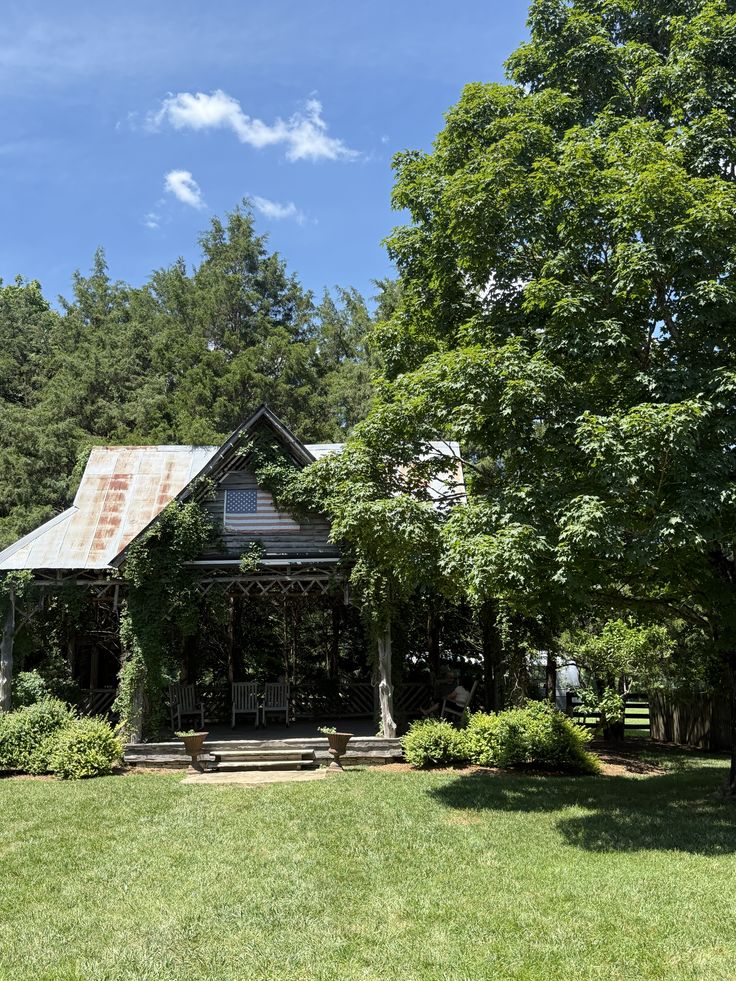
I’m thinking about a home that feels rooted. Layered. A little formal, but still warm. The kind of space that feels like it has stories in it.
There’s usually a sense of history, even if the home itself is newer. Darker woods. Softer light. Upholstery that feels tailored, not trendy. A little pattern, but not chaos. Brass that has some age to it. Pieces that feel like they were collected over time instead of ordered all at once.
That’s really the heart of this look to me.
It’s not about chasing one exact aesthetic. It’s about creating a home that feels established, welcoming, and personal—where old and new sit together in a way that feels natural.
What this style usually looks like
I think Southern Heritage style works best when the foundation feels classic.
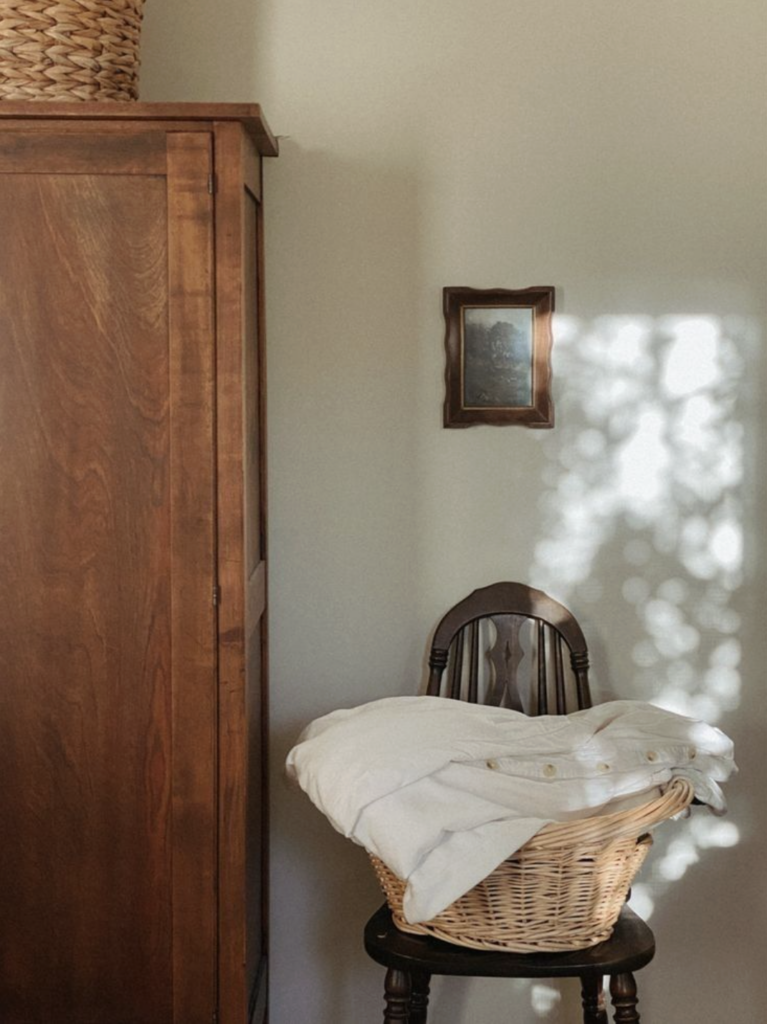
That usually means:
- warm wood tones
- traditional silhouettes
- a mix of antique and newer pieces
- layered textiles
- some restraint with color, but not a fear of it
I gravitate toward rooms that feel a little deeper in tone here. Not dark for the sake of dark, but grounded. Walnut, oak, aged pine, painted finishes that feel softened instead of crisp. I’d rather bring in richness through wood, leather, woven textures, or patina than through something overly loud.
Then, I almost always want one or two things that loosen it up.
That might be:
- a gingham or floral fabric
- a tailored pleated lamp shade
- a skirted table
- a stripe somewhere
- a slightly playful antique
- artwork that feels imperfect or storied
That’s the part that keeps this look from feeling stiff.
The feeling matters more than the checklist
This is the part I always come back to: if you’re trying to create this style, don’t start by asking what products to buy. Start by asking how you want the home to feel.
For me, Southern Heritage should feel: Lived in, gracious, collected, a little nostalgic, and comfortable enough to actually use.
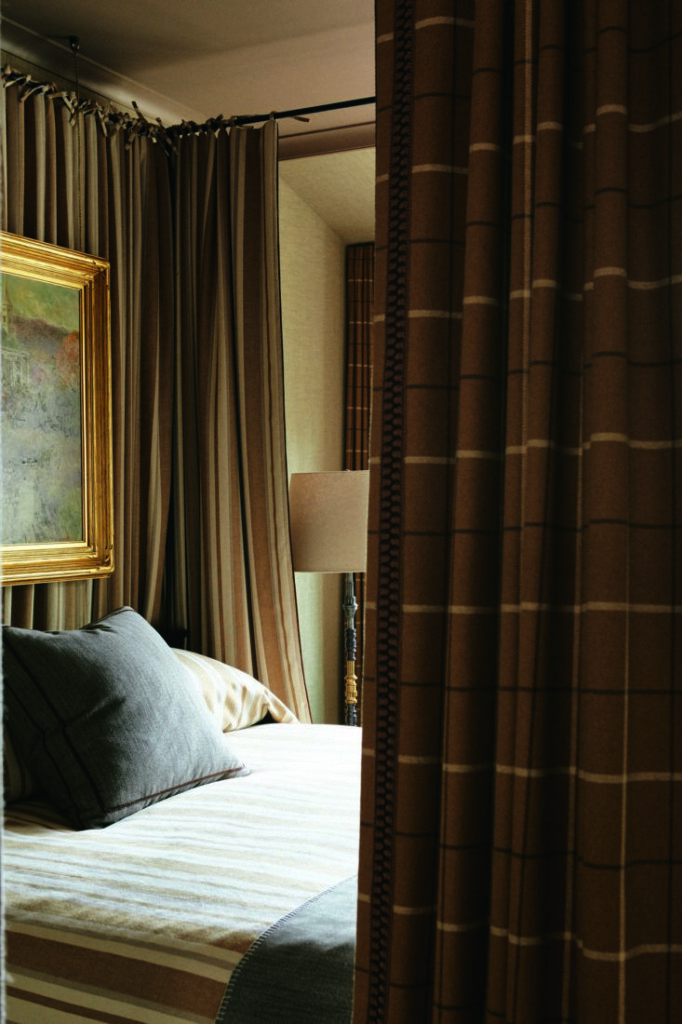
The elements to start with first
If I were helping someone build this look from scratch, I’d start with the pieces that create the tone fastest.
1. A strong wood piece
This style needs some visual weight, so consider a darker or warmer wood somewhere. Maybe a dining table, a dresser, a console, an armoire, or nightstands. If everything is too pale, too bleached, or too modern, the room loses that rooted feeling.
2. Upholstery that feels tailored
Nothing too slouchy, nothing too overly modern — look for pieces with a little structure. Maybe some roll arms, skirted details, turned legs, welting, quiet stripes, or a performance fabric that still feels refined.
3. Lighting with presence
This style lives or dies by lighting more than people think. I’d skip anything too sleek or anonymous — you want lamps, sconces, or pendants that feel like they have character. Also aged brass, pleated shades, woven texture, ceramic bases, maybe even something sculptural if the rest of the room is quiet.
4. Pattern used with restraint
This is not a no-pattern style. But, it does better when the pattern feels intentional. I gravitate toward florals, stripes, checks, botanical prints, or small-scale traditional motifs. Usually one or two is enough.
5. Something old
This is a big one. If a room feels too new, it’s very hard to make this style believable. Even one antique or vintage piece changes the whole room. I would always rather mix in something imperfect than let the space feel too fresh out of the box.
Living Room
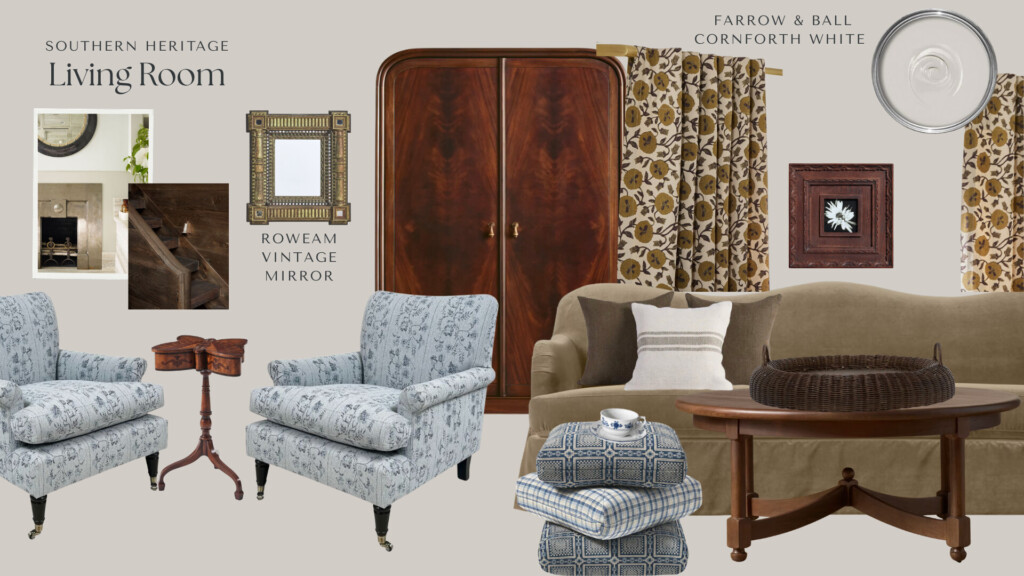
For this look, I started with that warmer, slightly traditional foundation—rolled arm sofa, upholstered accent chairs, and wood tones that have some depth to them. The sofa has that tailored-but-comfortable feel I’m always looking for, and I paired it with patterned chairs to bring in that subtle Southern layering without it feeling busy.
Mixing patterns here is important, but it has to feel controlled. The floral upholstered chairs, the floor poufs, and even the patterned drapery panels all play together because the tones stay consistent. Nothing is fighting for attention. I would always rather layer a few quieter patterns than bring in one loud one that takes over the room.
The wood pieces are what really anchor this space. I’m always looking for pieces that feel like they could have been there forever—like the round wood coffee table and the vintage-style side table, or the armoire. They’re not overly ornate, but they have enough shape and detail to feel collected. Same with the vintage-inspired mirror—I found this one and loved the scale and patina it brings in. It’s those slightly aged, imperfect pieces that keep the room from feeling too new or too styled.
Kitchen
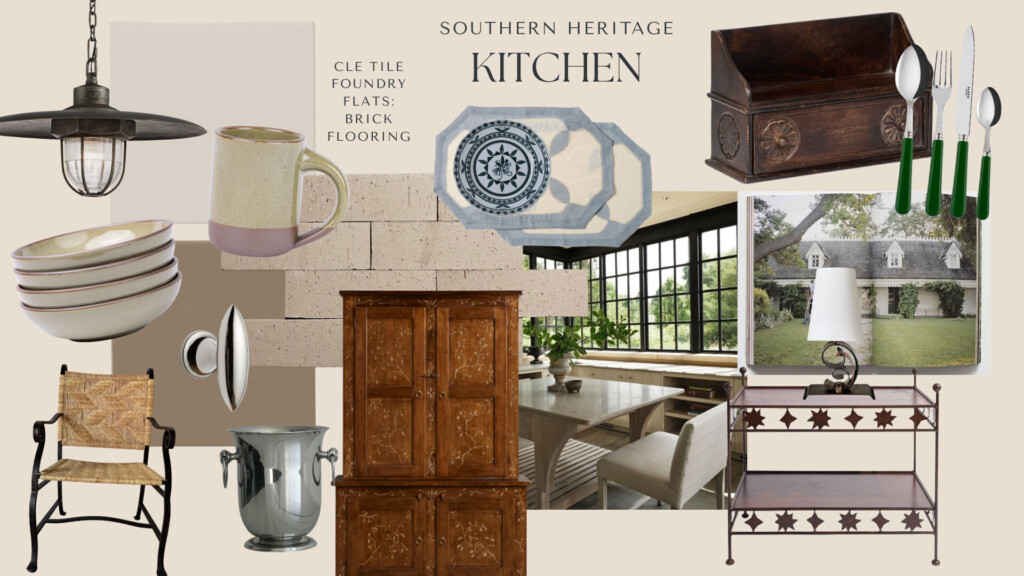
The kitchen is where I lean a little more utilitarian, but still keep that same layered, heritage feel. I don’t want anything too sleek or overly modern here. This style really benefits from materials that feel honest—brick flooring, painted wood cabinetry, metals that have a bit of weight to them.
Then, layer in the smaller pieces that actually make the kitchen feel personal and lived-in. Lighting is a big one here — I chose a statement pendant light that has a bit of weight and patina to it. Also pulled in pieces that add that collected, almost heirloom feel, like these dining plates, which brings in just enough pattern and color without taking over. Same with placemats—we used them for every meal growing up, and I still think they’re an easy way to make a table feel intentional.
For seating, I went with iron + raffia arm chairs to bring in that mix of structure and texture, then layered in some interest with the keeper box shelf and a hand-made, patinated wrought iron étagère with cut-out detail. So unexpected! Even down to the silver hardware knobs, I kept everything classic and understated so the materials and shapes could really speak for themselves.
Bedroom
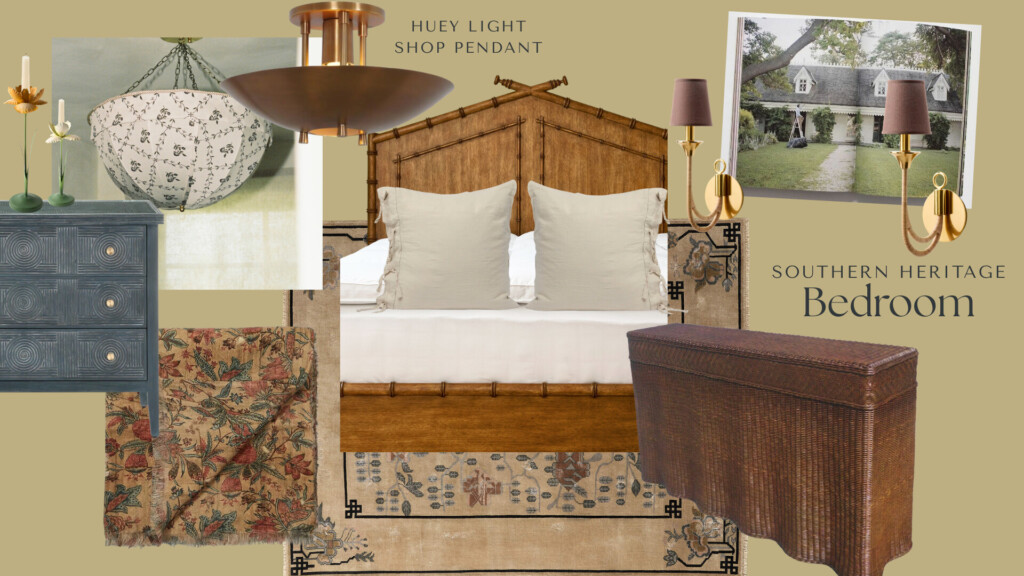
The bedroom is where I like to soften everything just a bit. This is where texture really carries the space. The wood bed frame has that traditional shape, but the linen pillows are kept simple so it doesn’t feel heavy.
I’m a big believer that every bedroom in this style needs at least one piece that adds weight and history, and for me, that’s usually an armoire or a chest. I found this chest and immediately loved the tone and detail. Pieces like this do a lot of the work for you. They make the room feel established right away.
The layering here is more subtle. A patterned vintage-style rug, a woven console table, brass wall sconces with a fun color shade, and a statement ceiling light all work together without overwhelming the space. I like to keep the palette a little more muted so the materials can stand out.
What I’d Wear in Nashville
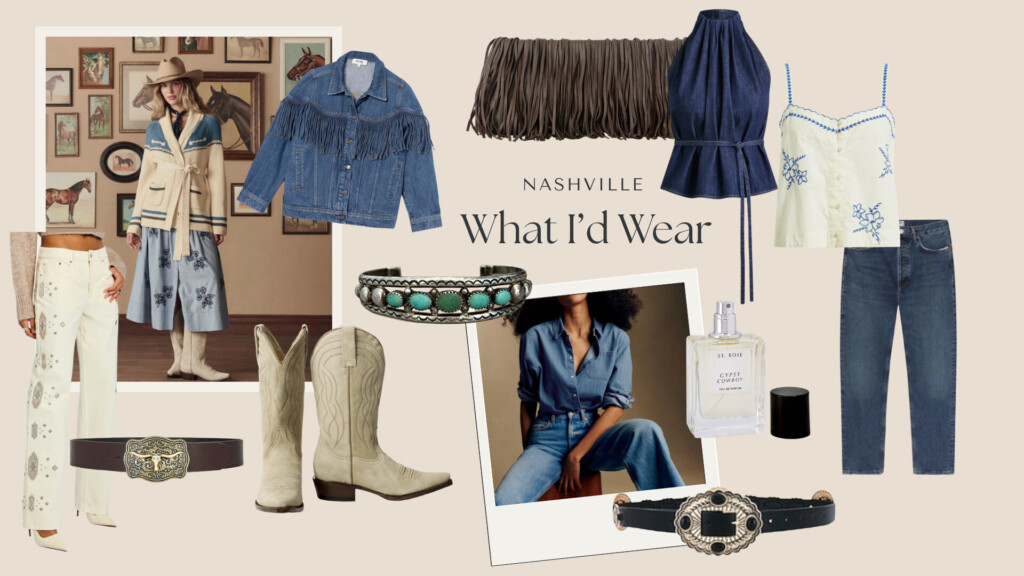
If you want to see what I’d actually wear, tap here to hop over to my LTK, where you’ll find even more outfit ideas plus plenty of home inspiration to explore!
***
At the end of the day, I’m not trying to reinvent anything—I’m pulling from what’s already proven and layering it in a way that feels personal. I always think about what will last, what will age well, and what won’t feel trendy a year from now. If you focus on strong foundational pieces, mix in a few things that feel collected (not matchy), and let materials lead the conversation, the space will come together in a way that feels effortless but still really considered. That’s always the goal for me—rooms that feel like they’ve evolved over time, even if we built them from scratch.