Sick of the struggle to find the perfect bed and nightstand combo? I hear you. As a designer, I’ve seen the frustration firsthand. That’s why I’ve put together some tips and conceptual moodboards to take the stress out of your search.
I’m excited to reveal four killer bed and nightstand pairings that have been catching my eye lately. Below you’ll find four fun room concepts that offer fresh takes on special places, and how we’d style them.
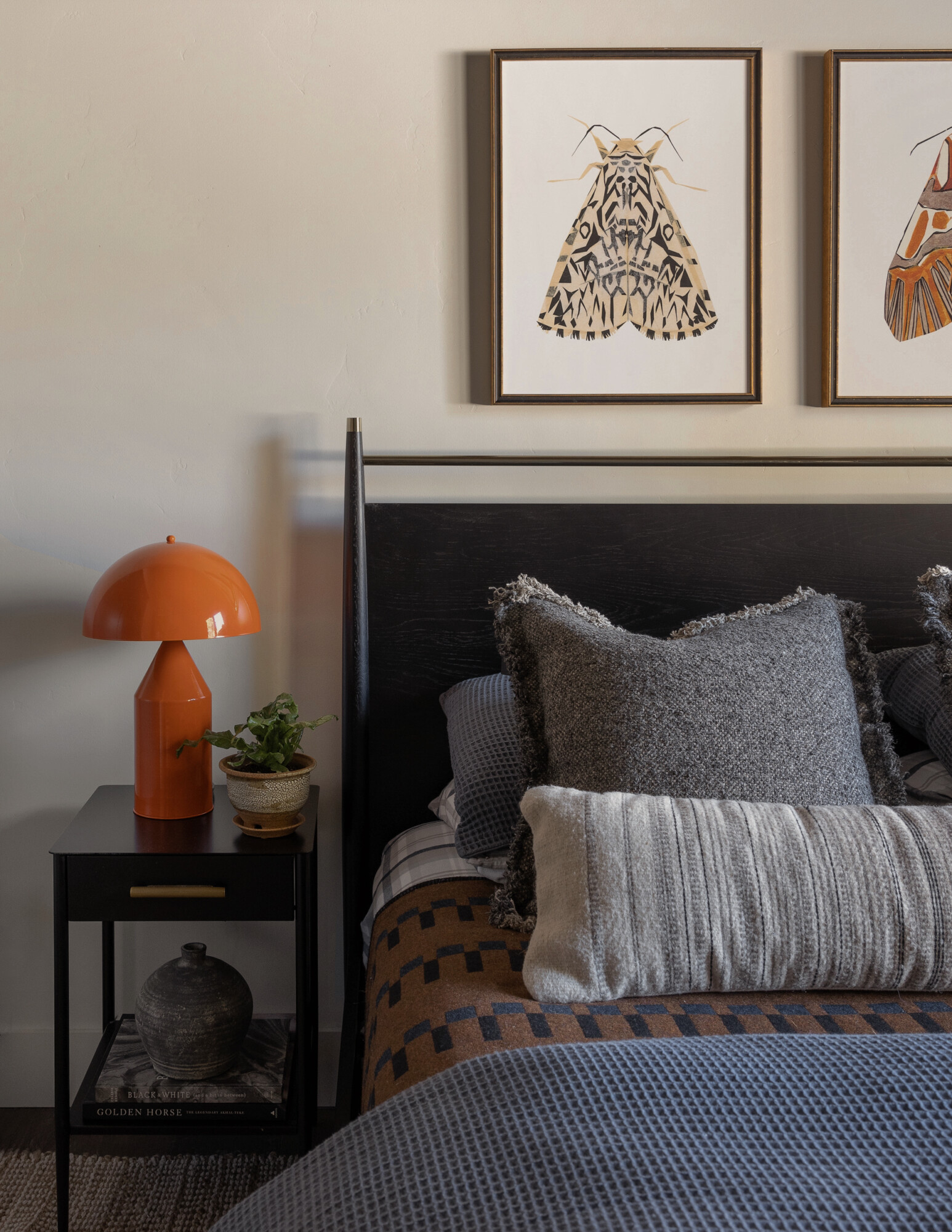
I’m all about mixing things up to create a space that’s uniquely you. Matching sets? Absolutely not! I believe in the power of mixing custom pieces, vintage finds, and unique designs to create a space that’s truly your own. So, ditch the cookie-cutter approach and embrace a more eclectic vibe.
If you’re ready to transform your bedroom into a haven of style and comfort, you’re in the right place. Let’s dive in and discover the perfect pairings for your space. And hey, if you’re in need of a bedroom refresh, why not work with us? From full custom home builds to virtual design room refreshes, we’ve got a variety of services to suit your needs. After all, we’re all about cosmetic upgrades — furnishings and home décor that don’t require a whole foundation makeover. It’s all about knowing how to invest in the right pieces to achieve a beautiful look. We strongly believe that good, quality products are available to all budgets. For instance, a cashmere Khaite sweater is gorgeous, but equally, a cashmere sweater from Reformation is pretty, and a quality investment, just at a lesser price point.
Let’s start with some design fundamentals …
1. Play with textures
- Mixing textures is key to creating a visually captivating and inviting space
- Remember, when it comes to textures, more is often better! Don’t hesitate to layer on different materials and finishes to add depth and richness to your bedroom
- Consider pairing the softness of an upholstered bed with the sleekness of metal or the warmth of certain woods
- Don’t shy away from experimenting with different combinations. Try pairing an upholstered bed with a caned nightstand for a blend of softness and warmth
For more design tips and inspiration, be sure to read “The Five Elements of our Signature Style“
2. Sizing and visual weight
- Pay attention to the proportions of your nightstand in relation to your bed. A nightstand that’s too small can look out of place next to a larger bed, while one that’s too large can overwhelm the space
- Opt for a lighter, open-bottomed design if you want to create a more airy and spacious feel in your bedroom (this allows for the addition of storage baskets underneath, keeping clutter at bay)
- If you prefer a more streamlined look, choose a nightstand with drawers for concealed storage. This provides a neat and organized solution for stowing away bedside essentials
3. The bed and nightstand should be tailored to your living habits
- If you enjoy lounging in bed with a book or a cup of tea, opt for a headboard and a nightstand with ample storage to keep your necessities within reach
- For those seeking an energizing and dynamic space, think about incorporating sculptural bedside tables and a statement headboard
New England Coastal Cottage
When I imagine New England coastal cottage interiors, I think of light, airy spaces with a palette of whites and neutrals, and pops of blue and earthy green shades. We can also picture cozy seating areas with nautical accents like striped or floral cushions, natural materials like rattan or wicker, and plenty of sunlight streaming through large windows. Natural wood tones, like white oak and pine, add a rustic touch. You might like the more modern take on this style, and incorporate moodier elements such as jewel tones mixed with metallic accents. Sleek furniture with clean lines could be juxtaposed with textured fabrics like velvet for added depth and warmth. It’s a sophisticated representation of coastal living … with a hint of drama.
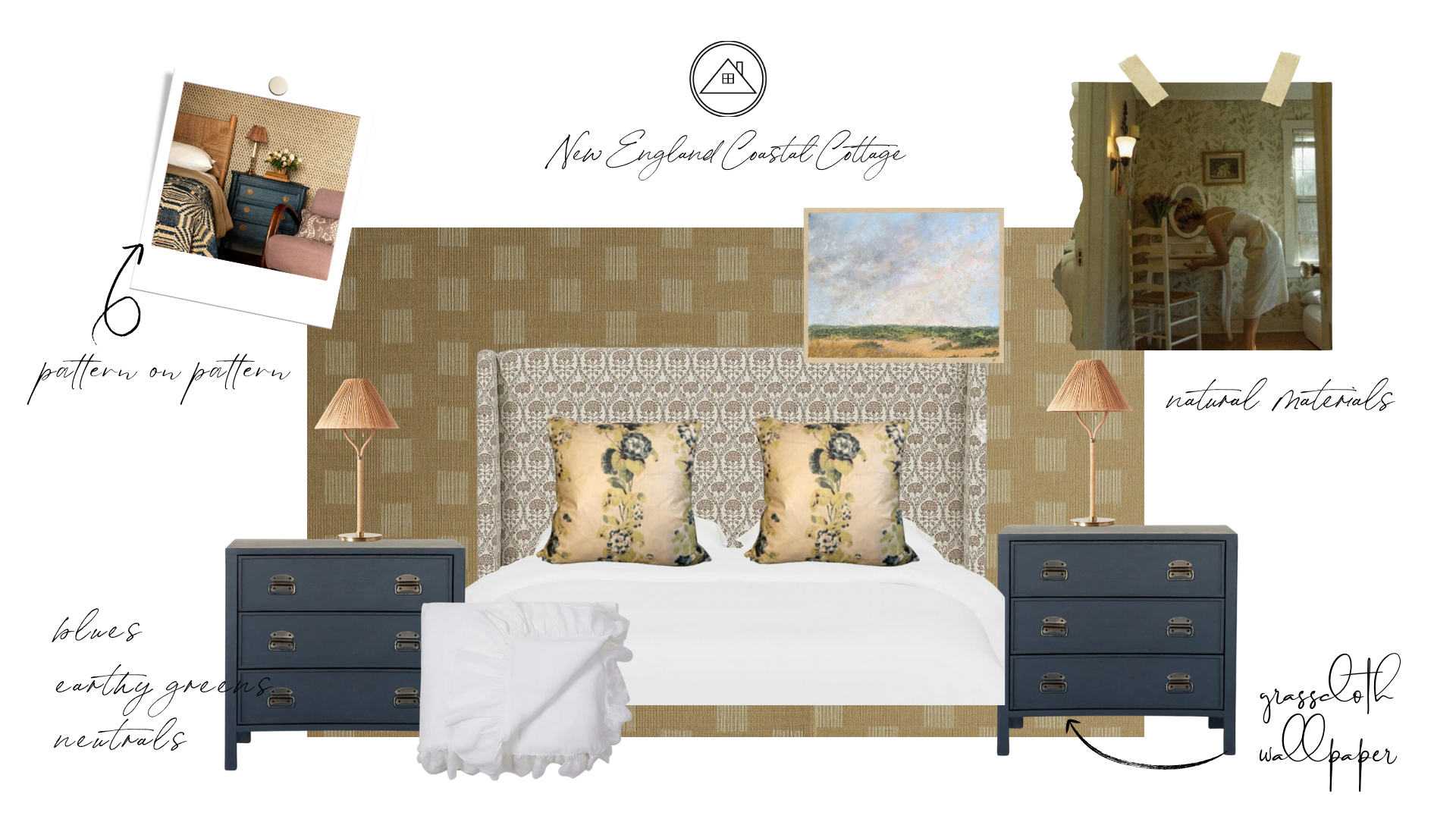
Shop the look here: Cottage Core
Joshua Tree Oasis
Think desert chic meets boho vibes. Earthy tones, like sandy beiges, warm terracottas and muted greens, emphasize the desert landscape. Natural materials, such as weathered wood, leather and rattan, create a rustic yet cozy atmosphere. Textiles like macrame, jute rugs and wool throws add more layering effects. What I love about the desert is that it’s the perfect spot to embrace a retro funky flair that complements the natural surroundings. Pops of color and patterns from the 70s would give it such a fun and distinguishing charm! Think vintage-inspired furniture pieces, like a mid-century modern bed frame. Then, throw in some jewel-toned pillows and rugs to liven up the space.
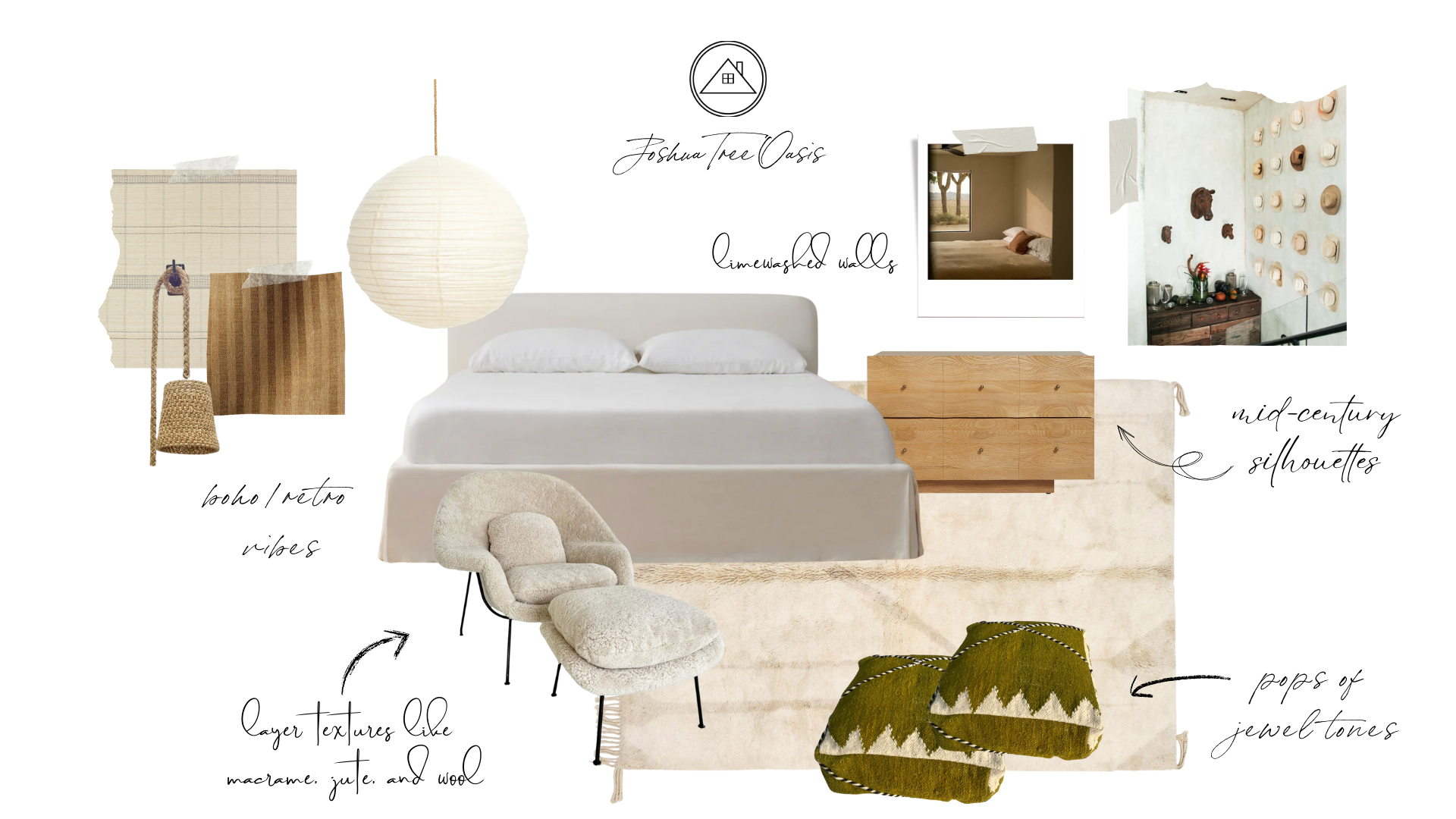
Shop the look here: Desert Oasis
Tuscan Villa Charm
This style brings a sense of elegance and timeless beauty into a bedroom. For the bed, opt for an iron or wooden frame with intricate detailing, reminiscent of the ornate architecture found in European interiors. Rustic elements such as distressed wood or ceramic vases are essentials that will add a cohesive look. Bedding in rich warm tones, like deep reds, golden yellows and earthy browns, evoke colors of the Italian countryside. And, dried flowers like lavender or olive branches add an authentic touch.
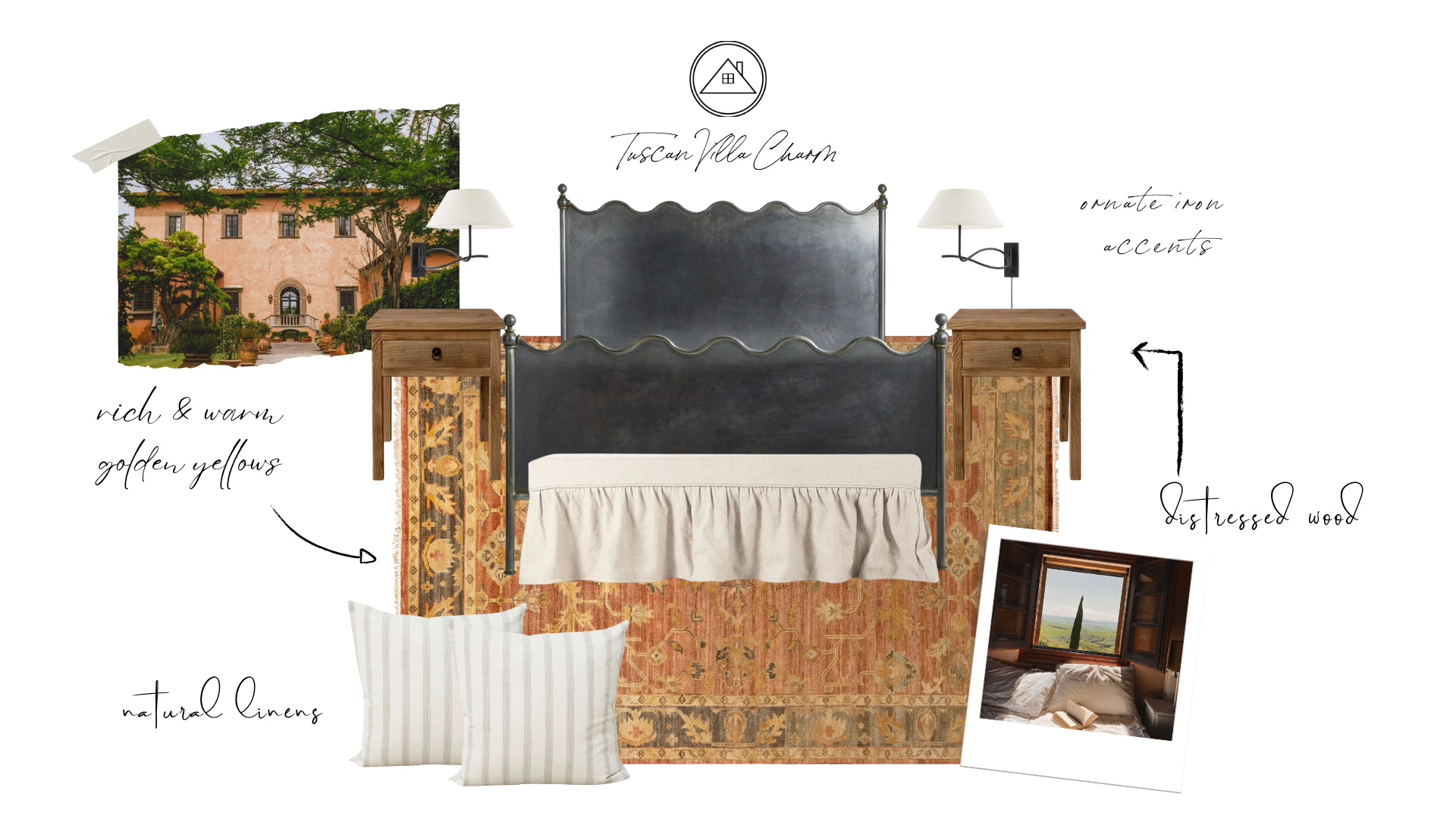
Shop the look here: Italian Villa
Jackson Hole Countryside Haven
Focus on the rugged beauty of the mountains and forests. Earthy tones are going to be your best friend here, with pops of bold colors such as red and green mixed in with cozy plaids or south-western inspired patterns. Leather and touches of fringe adds a softness to the rustic interiors. I also think hints of aged bronze or rusted copper can be infused throughout the space to give it that extra old-world Western charm.
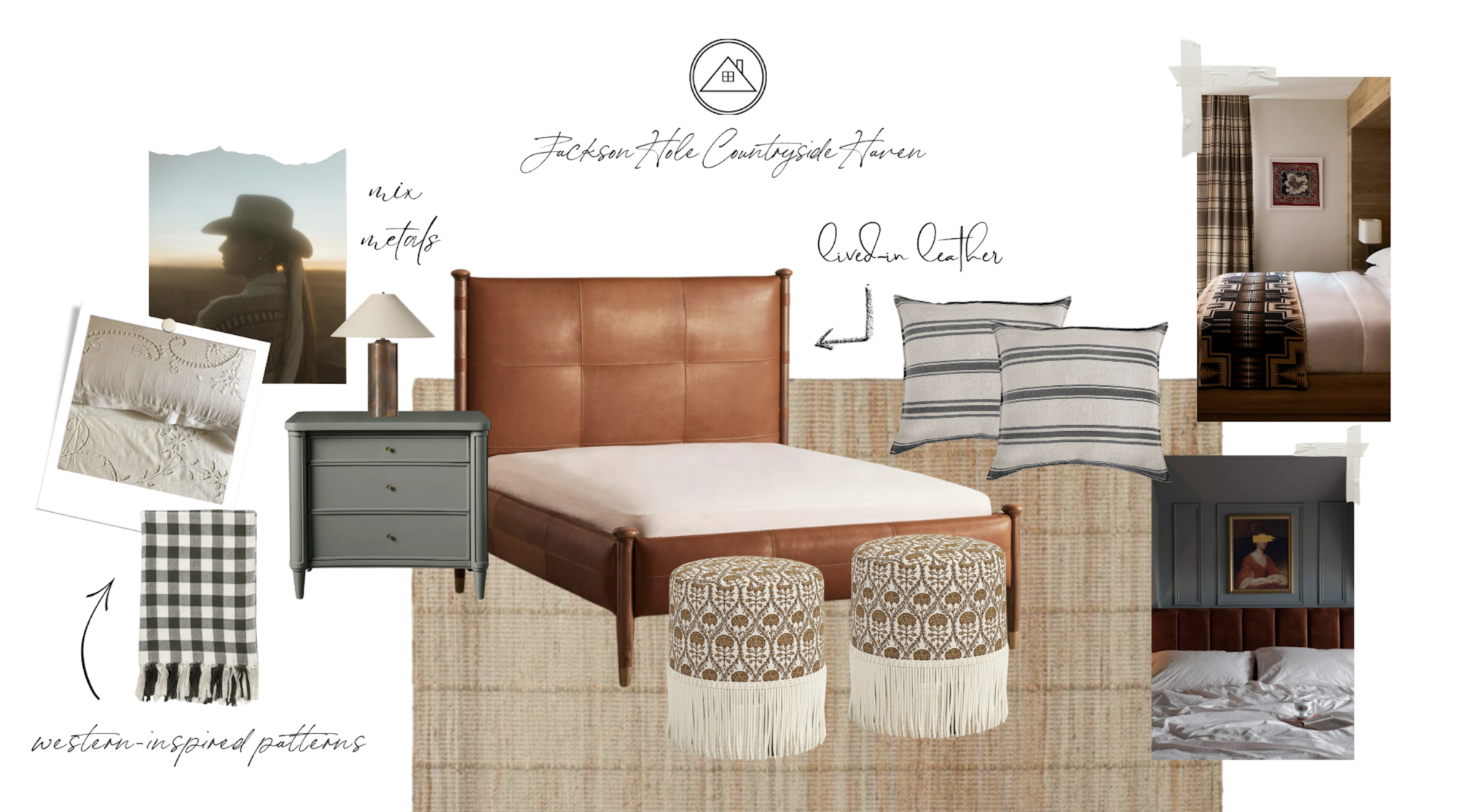
Shop the look here: Countryside Haven